Most Layer 1 networks accumulate invisible liabilities long before they accumulate users. The liability isn’t technical. It’s coordination debt — the future cost of fixing early incentive shortcuts.
What stands out in Fogo’s “build for now, design for the future” philosophy is the deliberate refusal to postpone structural decisions. Running on a performance-optimized client and concentrating validators in high-grade infrastructure isn’t just about raw throughput. It compresses variance. And variance is what creates governance friction later.
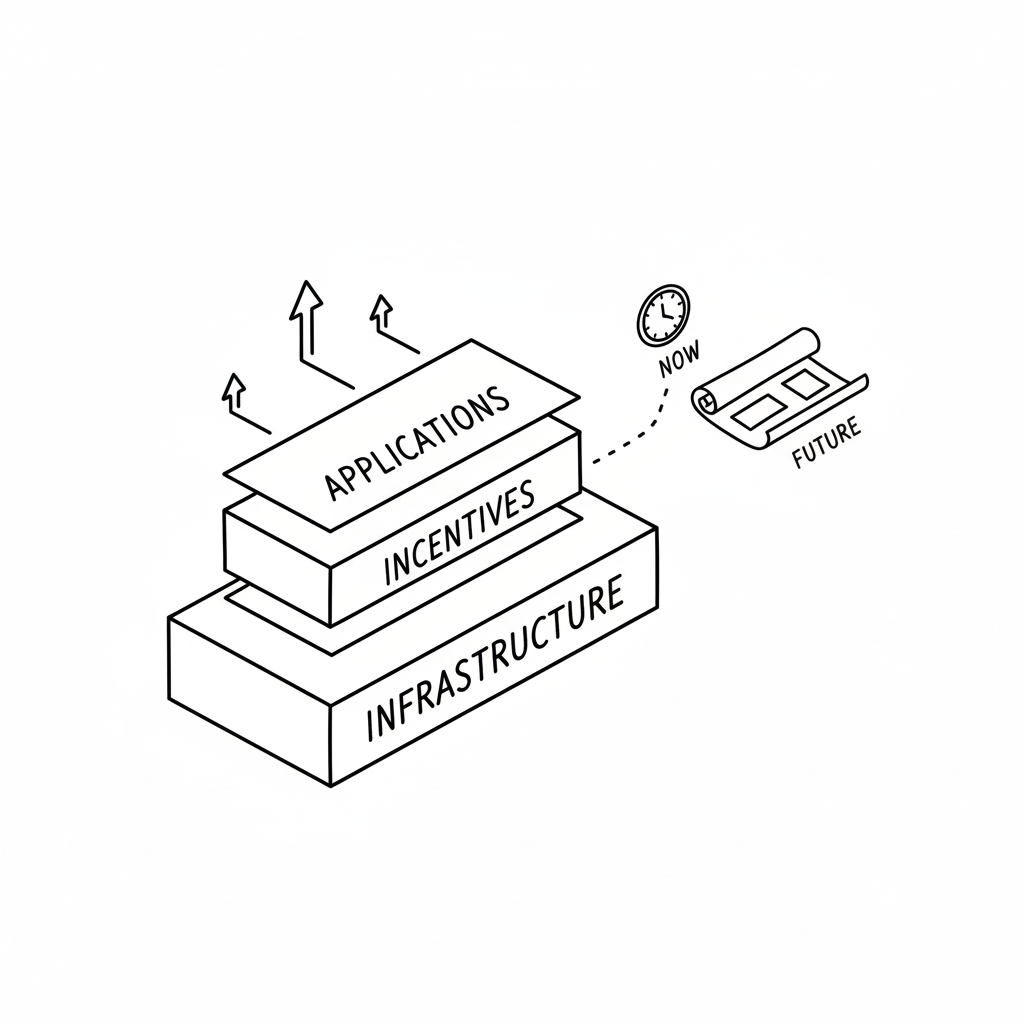
When builders deploy permissionlessly but operate in proximity to predictable validator performance, their economic models stabilize. Revenue assumptions hold. Latency becomes calculable. That reliability feeds back into token design.
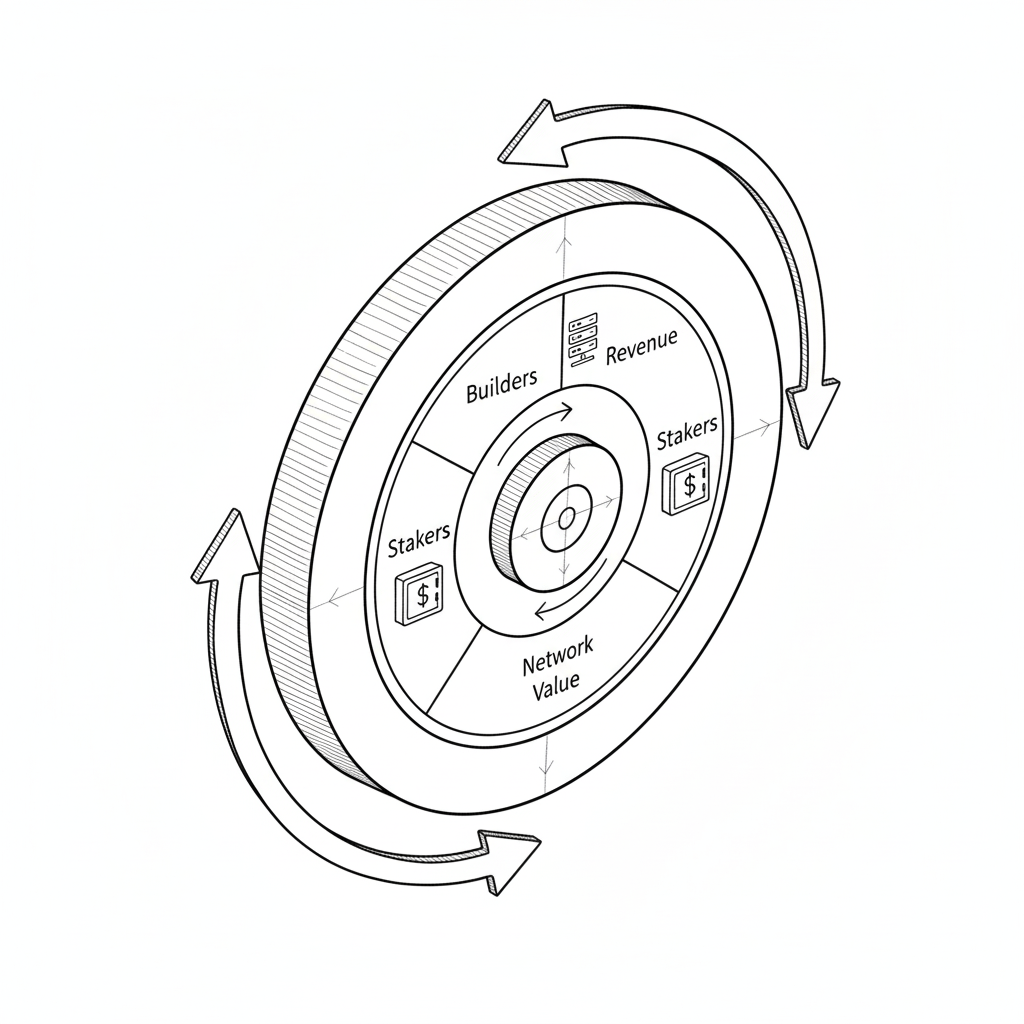
$FOGO, in this structure, isn’t just gas. It becomes a coordination anchor. Staking rewards, value accrual from foundation-backed projects, and community-first distribution through Echo Raise create early alignment before scale distorts incentives. Instead of retrofitting tokenomics after growth, the alignment is embedded while the system is still small.
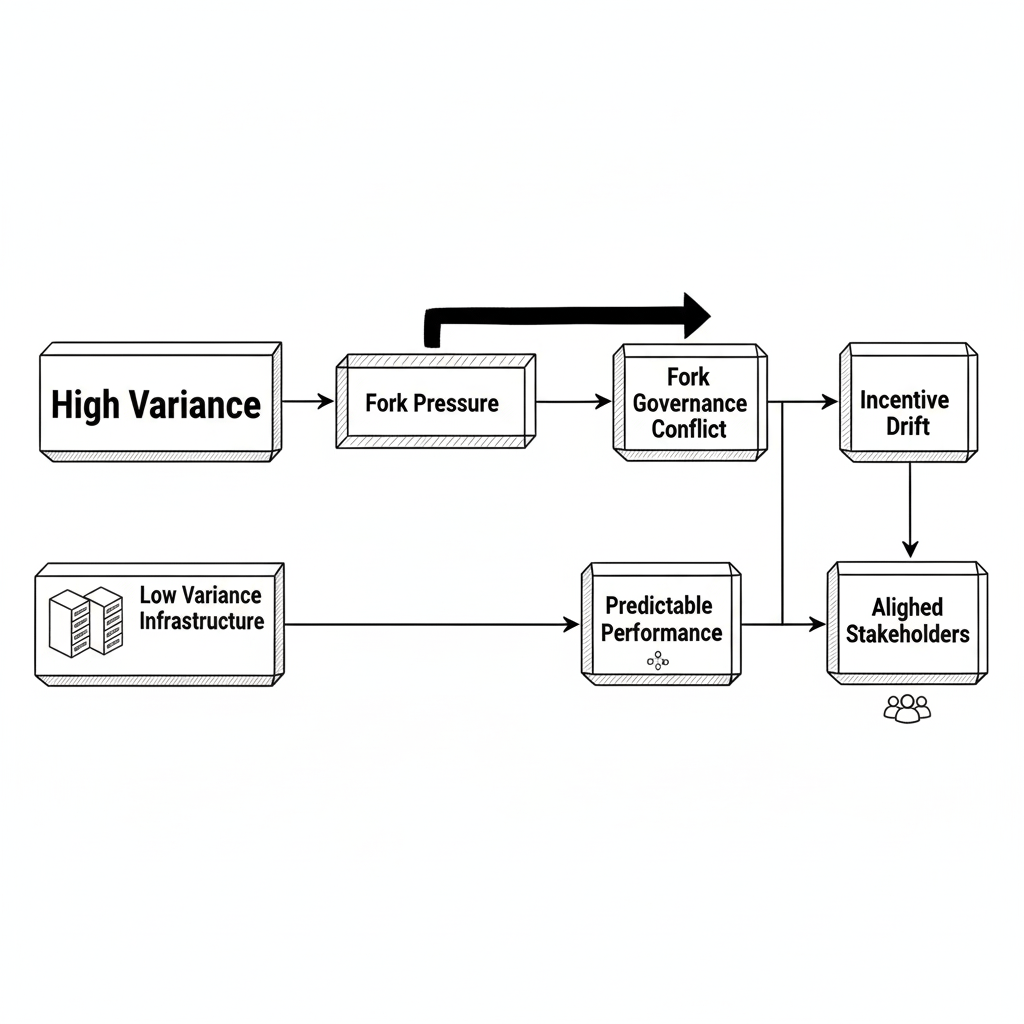
The deeper insight is this: sustainable decentralization isn’t achieved by diffusing ownership alone. It’s achieved by reducing the probability that future success forces structural redesign.
Designing for the future while building for today is not philosophical. It is risk management at protocol scale. And in markets where narratives change weekly, the networks that survive will be the ones that treated long-term alignment as infrastructure, not as an afterthought.