

I’ve learned the hard way that big liquidity numbers can be misleading. What really matters is how long the money stays when rewards slow down. Lately, with Vanar, the flow feels different because activity often follows product updates instead of short farming trends. That small detail tells more about real interest than flashy totals, which is why I pay more attention to community chats like @Vanarchain than leaderboard screenshots.
A recent January 2026 network dashboard update showed active wallets rising while average fees stayed almost unchanged. That mix usually means people are using apps, not just jumping in and out for quick gains. When users return for games or digital items, liquidity behaves calmer and sticks longer. Seeing #Vanar attached to developer notes rather than constant price talk feels like a quiet signal maybe function is starting to lead attention instead of hype?
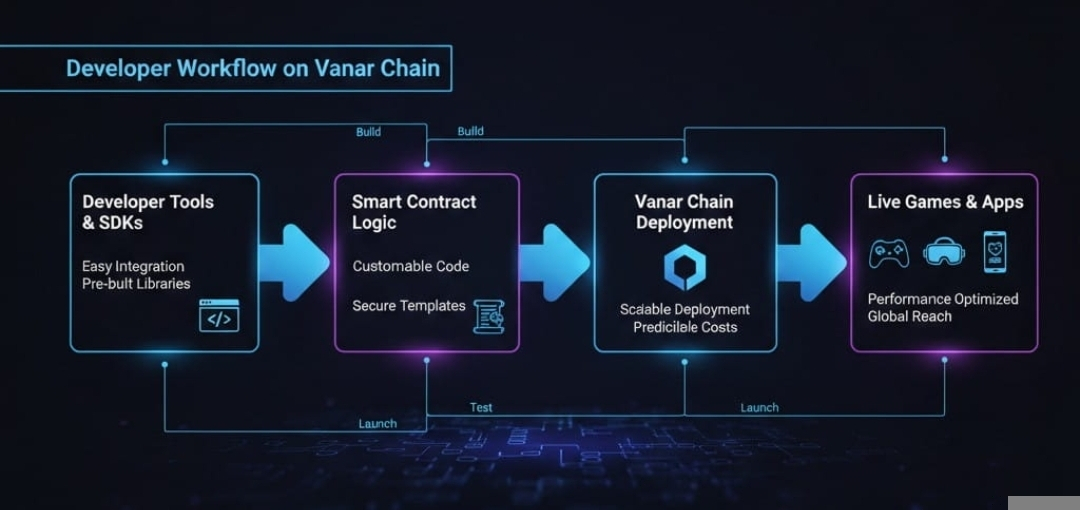
For anyone building or simply exploring, the useful habit is watching behavior, not just charts. When $VANRY incentives adjust, the real clue is whether users disappear or keep interacting with platforms. Tracking retention and withdrawal timing often reveals more truth than total value locked ever will, and it helps you understand why an ecosystem feels active even when the numbers look modest.#vanar