

In the Layer-1 space, many projects talk about speed.
Higher TPS and faster performance often look impressive and they quickly grab attention.
But as the market grows, people are starting to ask a different question:
Is pure speed really enough or does stability matter more in the long run?
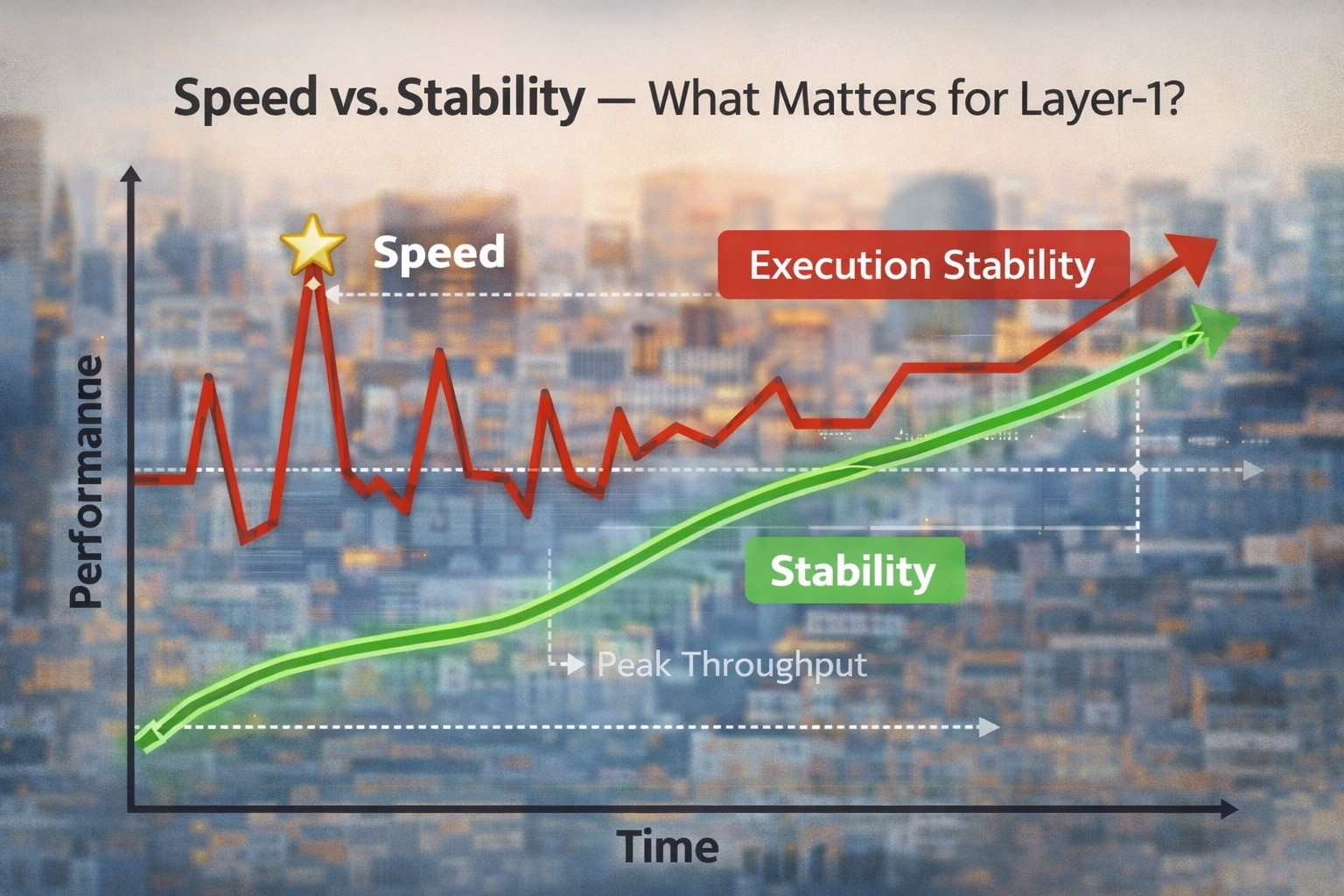
Peak throughput shows how fast a network can run in perfect conditions.
It looks strong in numbers but real usage is rarely perfect.
Heavy traffic, validator pressure or sudden demand can slow things down.
That is why stability is becoming an important part of the conversation.
Execution stability means consistent performance.
Builders want smooth block times, reliable transactions and fewer surprises.
For developers, a stable environment often feels more valuable than short bursts of extreme speed.
Applications need networks they can trust every day, not just during test scenarios.
@Fogo Official brings an interesting balance to this debate.
Its high-performance design shows a clear focus on strong execution but the structure also suggests an effort to keep the network efficient and simple.
If #fogo can maintain steady performance while still scaling, it may build long-term confidence among builders.
From a broader market view, traders may focus on peak numbers first.
However, developers and infrastructure teams usually care more about stability.
A network that runs smoothly during real demand often attracts stronger ecosystem growth over time.
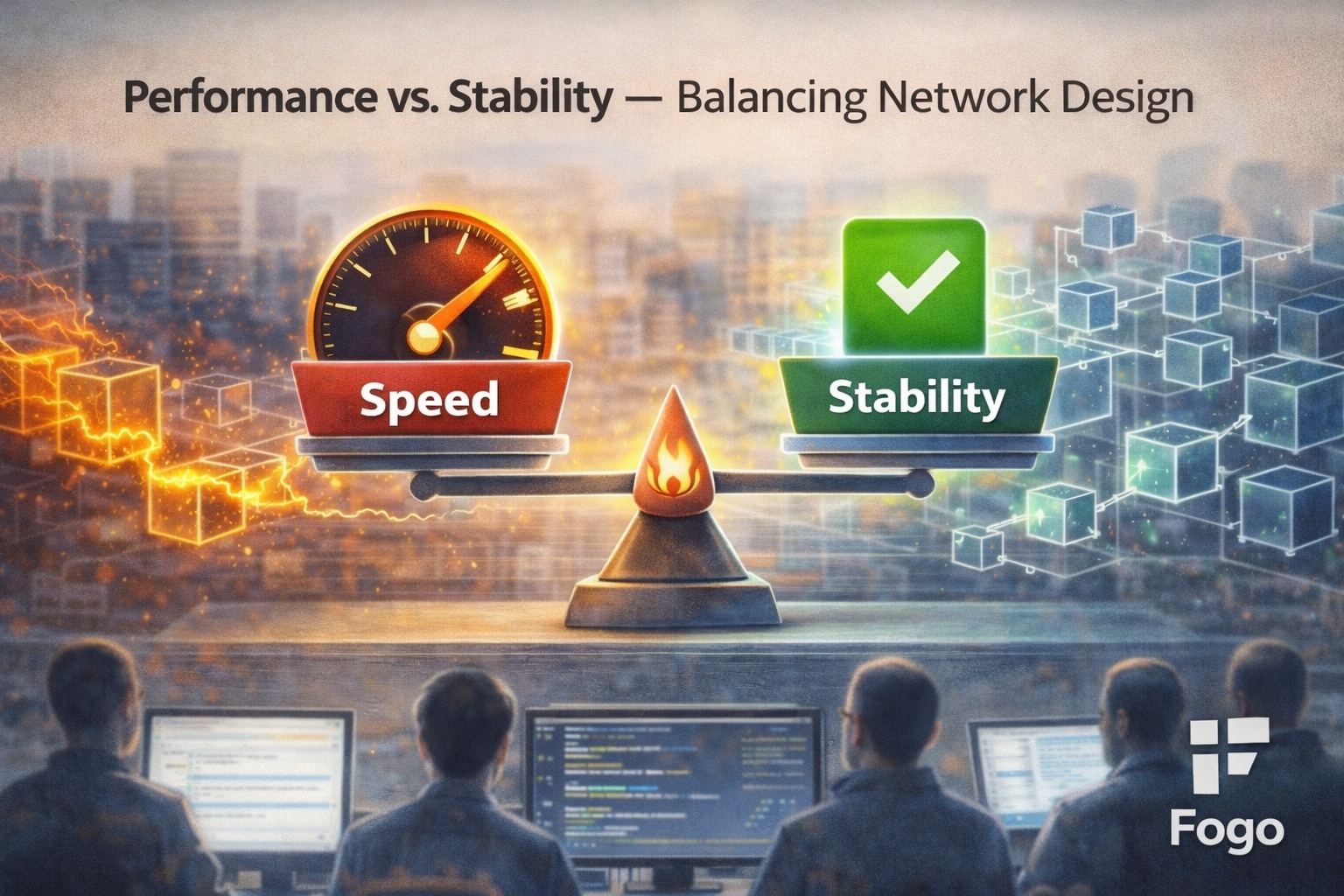
In the end, the real strength of $FOGO may not come from speed alone.
The future of L1 competition could depend on who delivers reliable performance again and again not just who reaches the highest numbers for a moment.
