Look, I’ve been around crypto long enough to recognize a pattern. Big promises. Fancy words. Endless talk about “the future.” And then… normal people show up, take one look, and bounce. That’s basically where Web3 has been stuck for years. Everyone says they want mass adoption, but almost no one actually builds for it.
That’s why Vanar caught my attention.
Vanar isn’t trying to be loud. It’s not yelling about how it’s going to save the internet. Instead, it’s doing something way less glamorous and way more important. It’s building a Layer 1 blockchain that actually makes sense for real people. Gamers. Fans. Brands. People who don’t want to think about wallets, gas fees, or seed phrases every five minutes.
And honestly, that alone puts it ahead of most projects.
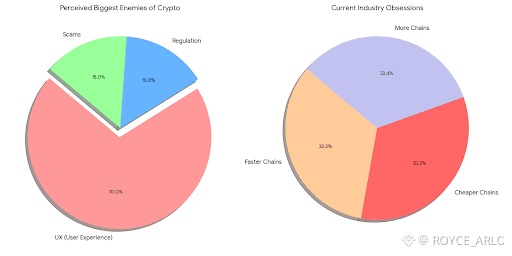
Let’s back up for a second. Blockchain didn’t start out broken. Bitcoin proved you could move value without banks. Ethereum showed developers they could build entire apps on-chain. That was huge. But somewhere along the way, the industry got obsessed with itself. Faster chains. Cheaper chains. More chains. Meanwhile, user experience stayed terrible. People don’t talk about this enough, but bad UX has been crypto’s biggest enemy. Not regulation. Not scams. UX.
I’ve seen this before. Tech insiders get excited, build for each other, and forget that normal users exist. Vanar feels like a reaction to that mistake.
Instead of starting with “here’s our chain,” Vanar starts with “what do people already enjoy doing online?” Gaming. Entertainment. Collecting stuff. Hanging out in virtual spaces. That’s where it begins. Blockchain comes later, quietly, in the background, doing its job without asking for attention.
Gaming is the clearest example. Gamers already live in digital worlds. They already spend money on items that disappear when a server shuts down. That’s been normal for years. So when people say “gamers don’t want Web3,” I don’t fully buy it. Gamers don’t want bad games. Big difference. Vanar’s infrastructure focuses on speed, low fees, and smooth performance because anything else is a deal-breaker. Lag kills games. Weird fees kill trust. Period.
And here’s the thing. Vanar doesn’t push play-to-earn nonsense where the whole game feels like a second job. The game comes first. Fun comes first. Ownership just… exists. Like it should.
The metaverse side of things follows the same logic. Yeah, the word “metaverse” makes people roll their eyes now. I get it. Too much hype, not enough substance. But the core idea still matters. Persistent digital worlds where your identity and stuff actually stick around.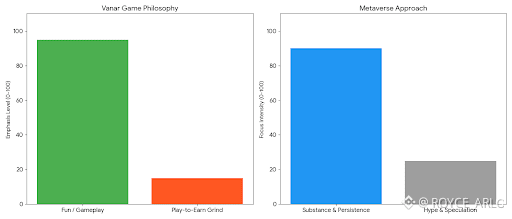
Virtua Metaverse is one of Vanar’s most visible products, and it shows what this philosophy looks like in practice. You can jump in, explore, collect, interact, and not feel like you’re signing up for a blockchain course. You don’t need to understand how the tech works to enjoy it. And honestly, that’s how it should be. No one asks how the internet works before watching a video.
Brands are another area where Vanar’s approach feels refreshingly realistic. Early Web3 brand campaigns were a mess. Random NFT drops. Zero follow-up. No reason to care after day one. Vanar gives brands tools to build ongoing digital experiences instead of quick cash grabs. Loyalty systems. Interactive collectibles. Stuff that actually fits into a long-term relationship with an audience.
That matters more than people realize. Brands don’t want headlines. They want retention.
Then there’s the ecosystem side. This is where things get interesting. Instead of isolating every project, Vanar leans into connectivity. VGN games network ties multiple games together under one network. For developers, that’s less friction and shared infrastructure. For players, it means your time isn’t wasted. Your assets don’t feel disposable. That’s huge. I wish more chains thought this way.
Of course, none of this works without a token. VANRY powers the network. Fees. Security. Incentives. All the usual stuff. But here’s what I like. Vanar doesn’t pretend the token is the product. It’s a tool. A supporting character, not the main star. I’ve watched too many projects flip that equation and implode.
There’s also talk about AI integration and sustainability, and yeah, those sound like buzzwords until you look closer. Smarter virtual environments make sense. Energy efficiency isn’t optional anymore. Whether people like it or not, scrutiny is coming. Vanar seems aware of that reality, which is more than I can say for some chains still pretending it’s 2021.
Now, let’s be fair. This isn’t risk-free. The Layer 1 space is brutal. Competition is everywhere. Other chains want gaming and entertainment too, and some have way bigger marketing budgets. There’s also the risk of leaning too hard into entertainment if market tastes shift. And some purists hate the idea of hiding blockchain complexity, like usability somehow betrays decentralization. I don’t buy that argument. A tool no one uses doesn’t change anything.
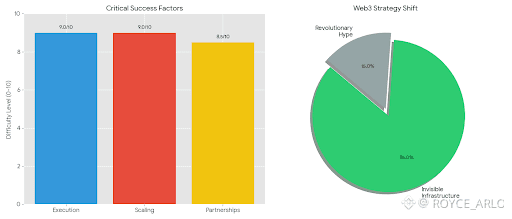
Here’s my honest take. If Vanar fails, it won’t be because the idea is wrong. It’ll be because execution is hard. Scaling is hard. Partnerships are hard. But the direction feels right.
Web3 doesn’t need more chains shouting about being revolutionary. It needs infrastructure that fits into people’s lives without demanding attention. If Vanar pulls that off, most users won’t even know they’re using blockchain. They’ll just know the experience feels better.
And that’s kind of the point, isn’t it?