


I’ve looked at enough “AI + blockchain” projects to become skeptical by default.
Most of them bolt AI onto an existing chain and call it innovation.
Vanar didn’t feel like that.
After actually going through the stack — not just the homepage — what stood out wasn’t buzzwords. It was structure. Vanar feels like it started from a different assumption: that AI agents won’t just interact with blockchains… they’ll operate on them economically.
And that changes what infrastructure needs to look like.
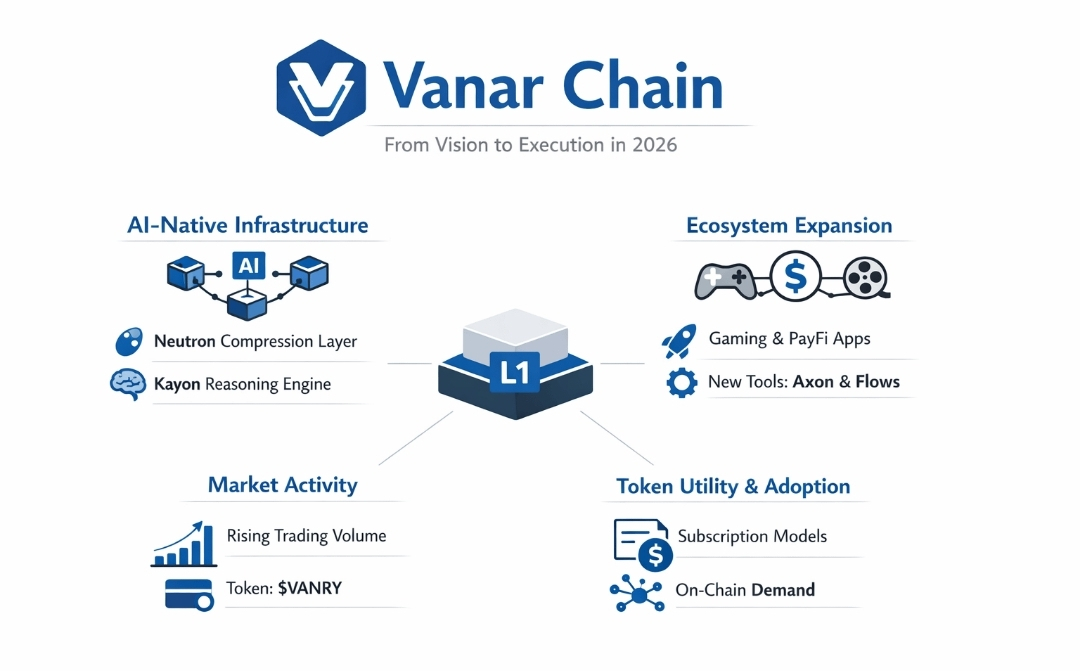
AI-First vs AI-Added
When I reviewed Vanar’s architecture, I noticed something important — the AI components aren’t peripheral.
They’re layered into the protocol design.
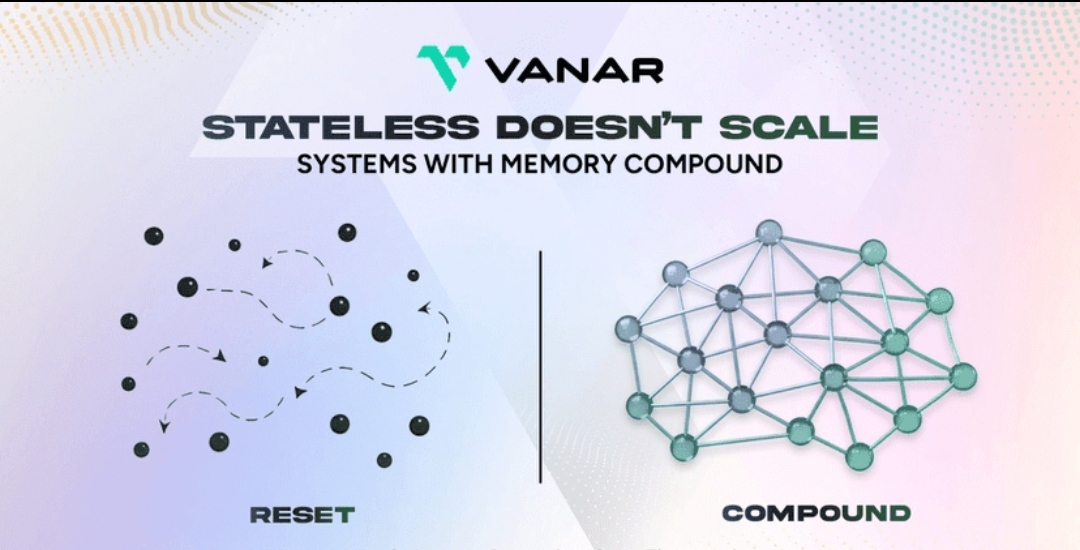
myNeutron introduces semantic memory at infrastructure level. That caught my attention immediately. One of the biggest weaknesses of current AI systems is session-based amnesia. If an agent forgets context every time it resets, it’s limited.
Embedding structured memory at the chain layer is a serious architectural decision.
Then there’s Kayon, positioned around reasoning and explainability. I’m cautious with claims around “reasoning,” but the direction is clear: interpretation and logic are not hidden behind centralized APIs — they’re being treated as visible components of the stack.
And Flows connects intelligence to action — rule-based automation that allows systems to execute safely rather than just suggest outcomes.
Memory → reasoning → automation.
That stack makes more sense than just adding a chatbot to a dashboard.
What “AI-Ready” Actually Means
After analyzing enough L1 launches, I’ve realized most people still equate readiness with TPS.
AI systems don’t need record-breaking TPS.
They need:
• Persistent memory
• Automation rails
• Verifiable logic
• Native economic settlement
If AI agents transact — paying for APIs, executing trades, managing digital assets — they require programmable, compliant settlement infrastructure.
That’s where $VANRY becomes aligned with actual usage.
VANRY powers transaction fees and execution across the Vanar ecosystem. If intelligent systems operate at scale, VANRY underpins the economic layer supporting them.
That’s structural alignment — not narrative alignment.
Real-World Experience Matters
One thing I don’t ignore when evaluating chains is operational background.
Vanar’s experience in gaming, entertainment, and brand ecosystems — including products like Virtua Metaverse and the VGN games network — signals exposure to consumer-scale environments.
If the goal is onboarding the next 3 billion users, infrastructure needs to disappear behind usable products.
Vanar feels built with that awareness.
Cross-Chain Expansion Is Strategic
AI infrastructure cannot remain isolated.
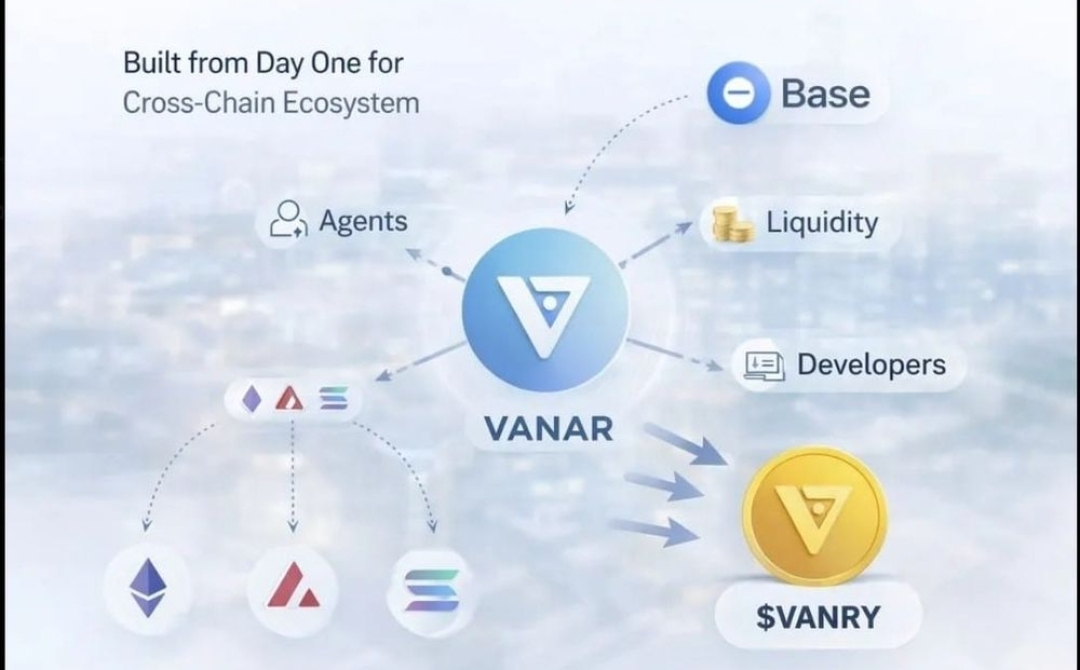
Vanar’s move toward cross-chain availability, beginning with Base, expands reach beyond a single-chain environment. That increases potential surface area for adoption and VANRY usage without forcing everything into a siloed ecosystem.
It’s pragmatic — not tribal.
My Honest Assessment
Vanar isn’t competing in the “fastest chain” race.
It’s positioning around AI readiness and consumer adoption.
That’s a harder narrative to explain — but a more durable one if AI agents become long-term economic participants.
Not every AI-labeled L1 will survive.
The ones that do will be the ones that treated intelligence as infrastructure, not as a feature.
After studying Vanar’s stack, it’s clear which side of that line they’re aiming for.