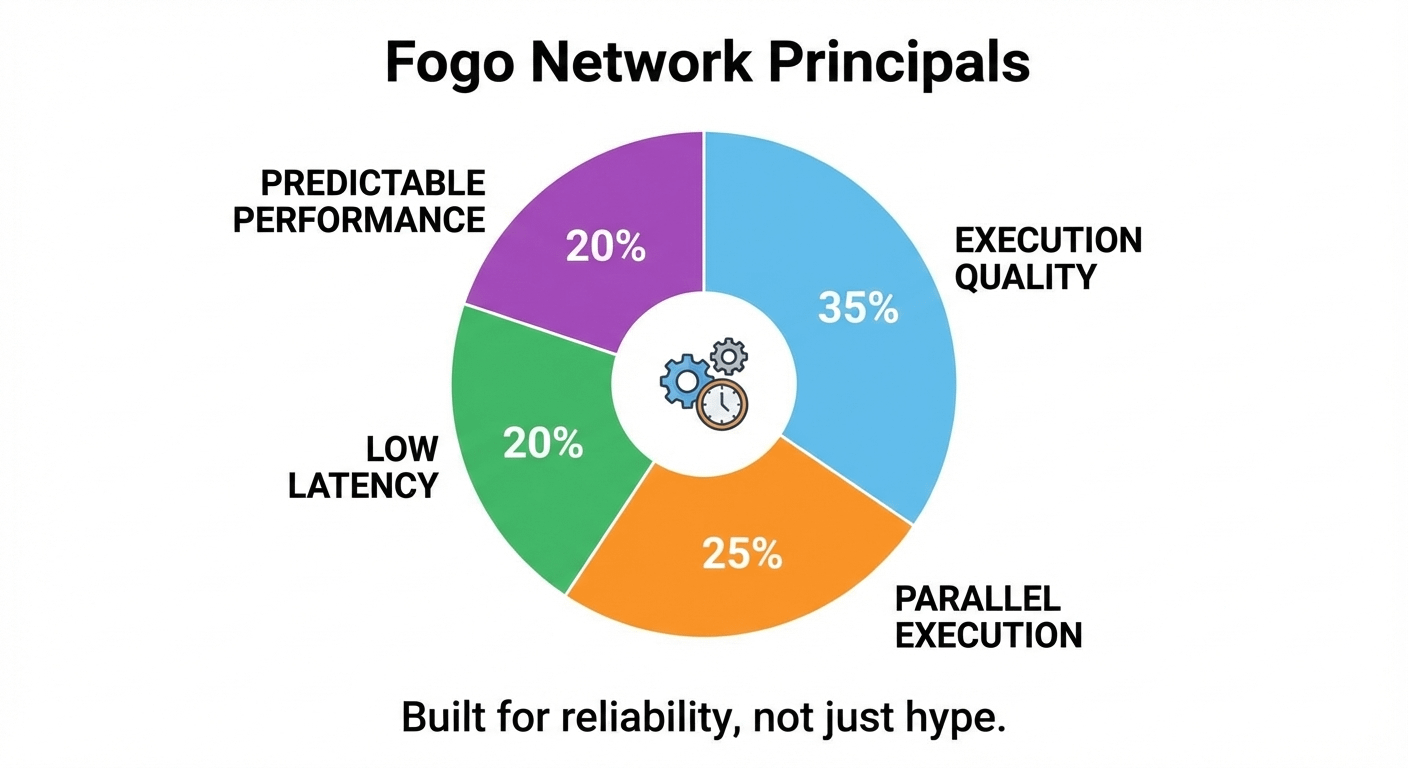
Fogo is a high-performance Layer-1 blockchain built with the Solana Virtual Machine at its core. From the beginning, Fogo was designed with a clear purpose: to create an execution environment where speed, efficiency, and real-world usability could coexist. Its architecture focused on parallel execution, low latency, and predictable performance, making it attractive for developers building applications that needed reliability, not just hype. While many networks promised scalability, Fogo quietly focused on execution quality. It was not the loudest project in the space, and some critics questioned whether it could truly compete with larger ecosystems, but those who understood infrastructure saw something deeper a foundation being carefully built.
One evening, while exploring early-stage blockchain communities, I entered a small developer forum where Fogo builders often gathered. I had only come to observe network activity and understand its execution behavior. But there, near the edge of a quiet discussion channel, I noticed a young developer account. It was inactive most of the time, but at that moment it was staring at a testnet faucet interface the kind that distributes small amounts of tokens so builders can deploy and test applications. The wallet balance showed zero. The account remained connected, almost as if it was waiting for permission to exist.
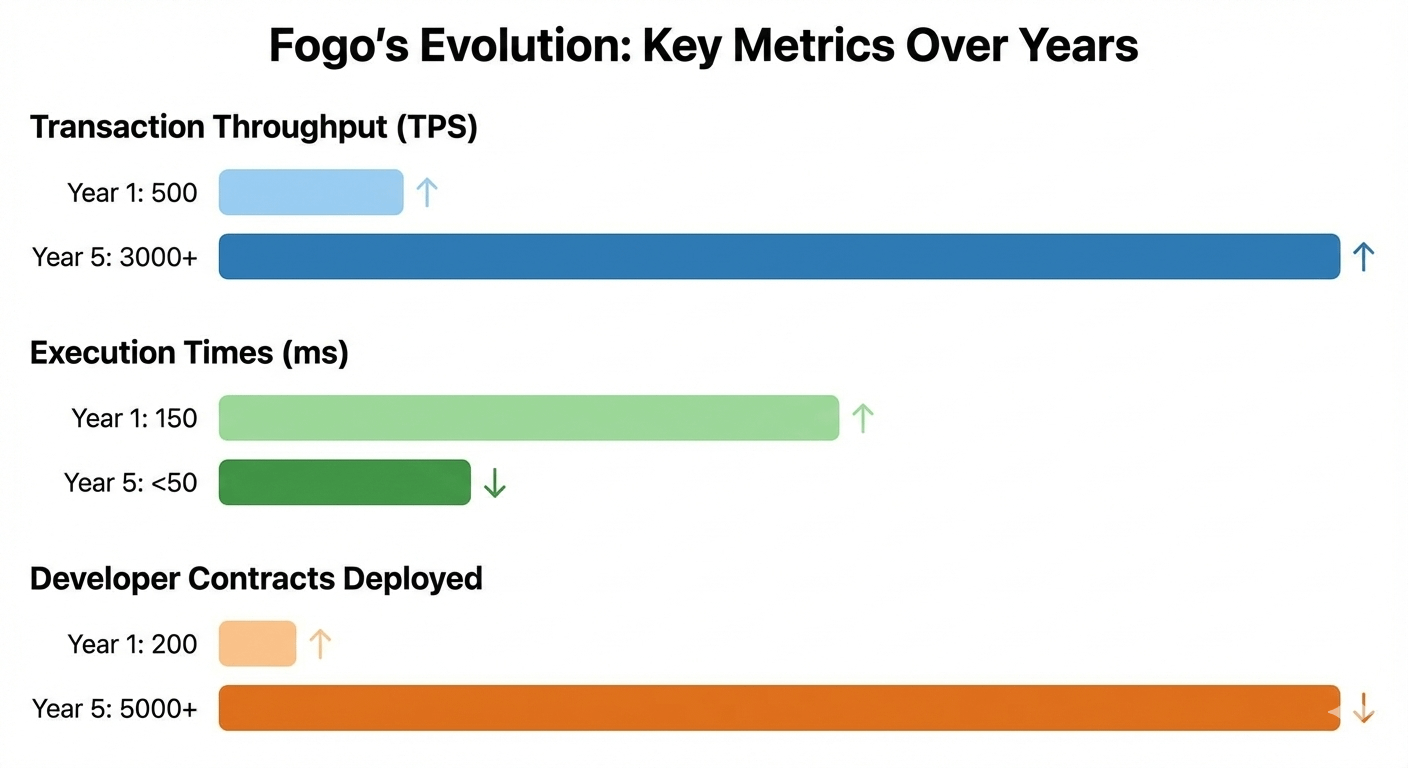
I checked network metrics out of habit. Transaction throughput was stable, validators were performing efficiently, and execution times remained impressively low. Yet that developer wallet stayed empty. Soon, I noticed an interaction between that wallet and one of Fogo’s core validator operators.
“Hello,” the validator operator messaged. “Are you building something on Fogo?”
“Yes,” the developer replied. “I’ve been studying the network. It feels fast… different. I want to deploy my first contract. But I don’t have enough tokens to test.”
The validator operator paused, then responded with quiet kindness.
“Sometimes, on Fogo, value is not measured only in tokens. Sometimes it is measured in intent. Do you have anything you’ve built?”
The developer hesitated, then shared a small test contract simple, imperfect, and inefficient in places. It was not optimized. It lacked the polish experienced builders would expect. But it worked. It showed effort.
The validator operator reviewed it carefully.
“This is good,” he replied. “Not perfect. Your execution logic can improve. But it shows commitment. Deploy it. The network will carry you forward.”
And somehow, resources appeared in that wallet. Enough to deploy. Enough to begin.
Nearby, another core contributor had been watching silently. Later, I saw them explain to someone else how Fogo always made room for builders who showed genuine effort. Not by charity, but by belief. They said the network didn’t simply reward capital it recognized participation. Some developers came with perfect code. Others came with nothing but curiosity. Fogo made space for both.
I left that community space that day with an unexpected sense of respect. It wasn’t just the performance metrics that impressed me. It was the culture around execution. Fogo didn’t promise instant success. It didn’t pretend every challenge was solved. In truth, it faced real obstacles. Its ecosystem was still growing. Liquidity was limited. Many investors were cautious, waiting to see long-term adoption. Some developers preferred larger networks with more established tools. These were real weaknesses, and the community knew it.
But Fogo continued forward, block by block.
Years passed.
The network matured quietly. Execution reliability improved further. More developers deployed contracts. Applications began to appear — small at first, then meaningful. Fogo never became loud, but it became dependable.
One day, I learned that one of Fogo’s earliest validator operators had shut down their node for the final time. They had stepped away from the network they helped sustain. The community gathered digitally, not in noise, but in respect.
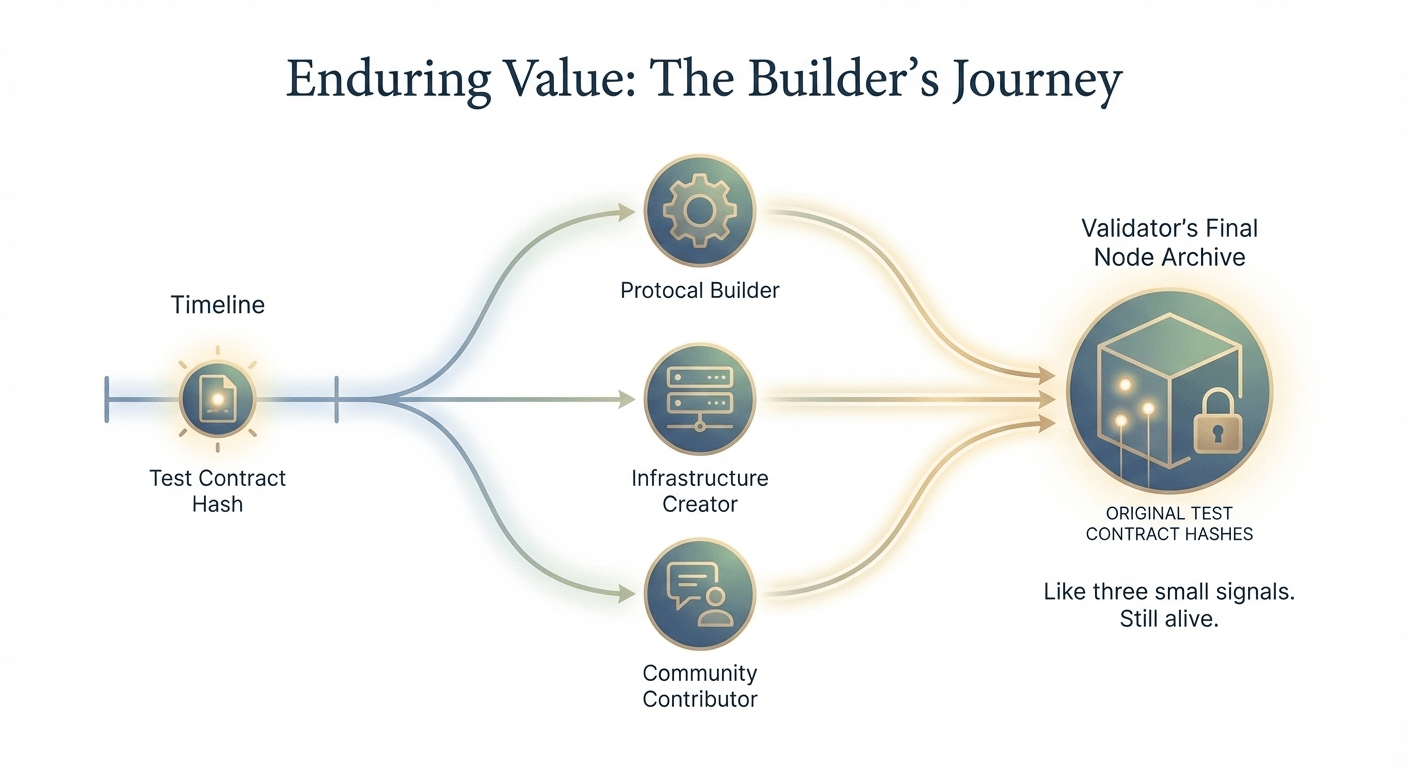
Among the many accounts present, I noticed three prominent developer addresses. One had become the creator of a widely used infrastructure tool on Fogo. Another had built a protocol that handled thousands of transactions daily. The third had become a respected contributor, helping new developers understand the network.
Each of them sent a final on-chain message to that validator’s address.
Not transactions of financial value.
Messages of gratitude.
They spoke of how Fogo gave them their first opportunity. How it allowed them to deploy when no one else noticed them. How it taught them that execution mattered more than attention.
Later, when the validator’s final node state was archived, embedded within its last recorded storage snapshot were three original test contract hashes. Old, inefficient, imperfect but preserved.
Like three small signals.
Still alive.
The truth is, in blockchain, tokens rise and fall. Markets change. Narratives shift. But execution, belief, and quiet support for builders create something far more permanent. Fogo was never just a network of validators and transactions. It was a place where potential was recognized before it became obvious.
And in the end, that is the rarest form of value any blockchain can create.