

Cryptocurrency has evolved far beyond trading charts and long-term holding strategies. Today, digital assets are increasingly being used in everyday transactions, and one of the clearest examples of this shift is the Binance Visa Card.
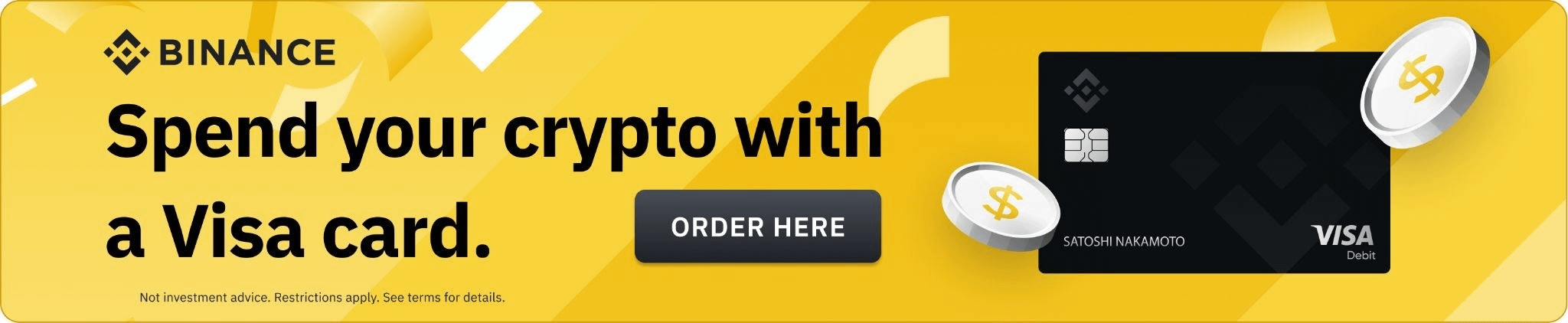
The Binance Card was designed to bridge the gap between crypto and traditional finance, allowing users to spend their digital assets anywhere Visa is accepted. Instead of manually converting crypto into fiat before making a purchase, the system automatically converts selected assets at the point of sale. For users, the experience feels no different than using a regular debit card.
How It Works
The card connects directly to a user’s Binance account. When a payment is made, the chosen cryptocurrency—such as Bitcoin, Ethereum, or $BNB is converted into local currency in real time. This removes the need for preloading fiat balances and simplifies the spending process.

Users can manage everything through the Binance app, including:
Activating or freezing the card
Setting spending limits
Tracking transaction history
Choosing which crypto asset to prioritize for payments
This integration makes the experience seamless and transparent.
Rewards and Utility
One of the major attractions of the Binance Card has been its reward system. Depending on eligibility and regional policies, users could earn cashback—often paid in BNB—on qualifying purchases. This added an incentive layer, turning everyday spending into a way to accumulate additional crypto.
More importantly, the card represents a broader trend: moving crypto from passive investment to active utility. Instead of sitting in a wallet, digital assets become part of daily financial life—usable for groceries, travel, subscriptions, and online shopping.
Availability and Evolution
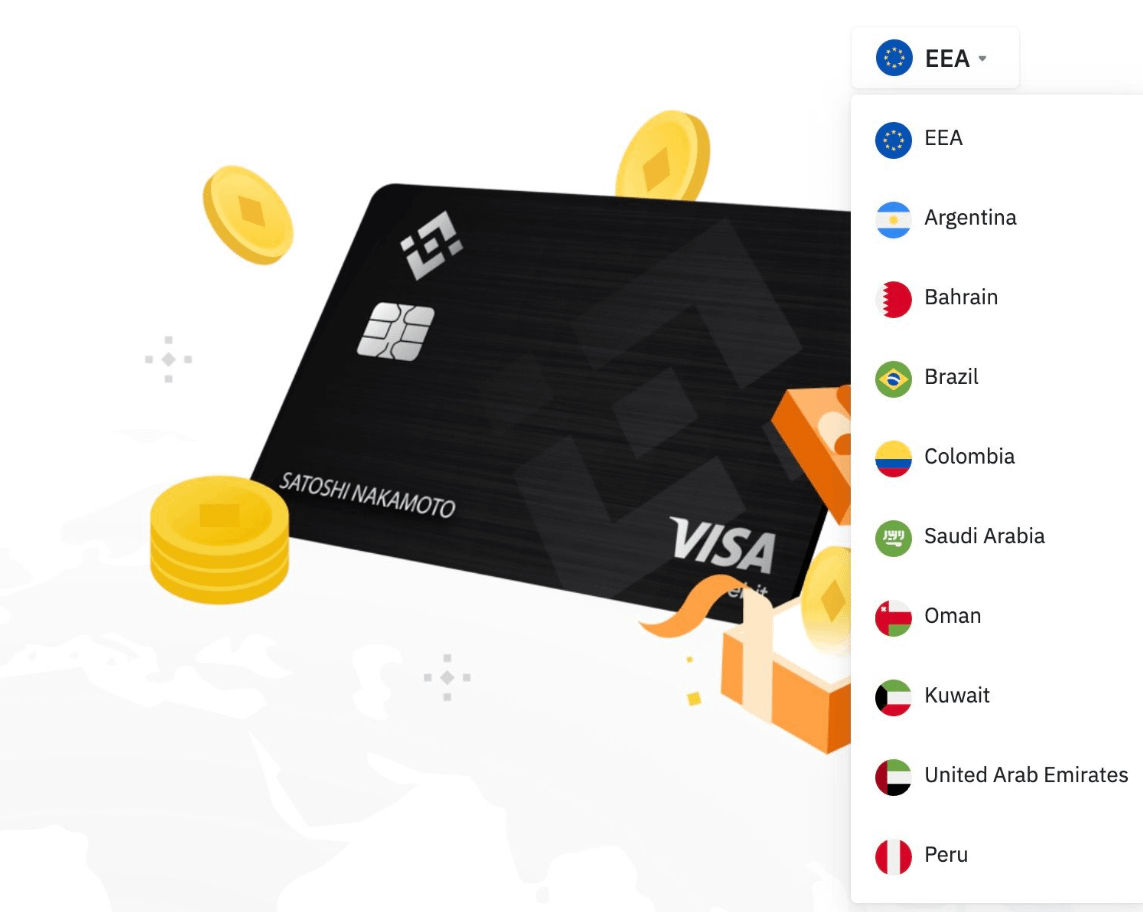
The Binance Card’s availability has varied by region due to changes in regulations and banking partners. In some markets, the original Visa card program has been scaled back, while Binance continues expanding alternative payment solutions such as Binance Pay.
This evolution reflects a larger industry reality: crypto payment products must adapt to regulatory environments while maintaining usability.
The Bigger Picture
Crypto adoption grows when usability improves. Payment cards linked to digital assets remove friction and make blockchain technology invisible to the end user. Instead of explaining how wallets and exchanges work, users can simply tap and pay.
The Binance Card helped demonstrate that cryptocurrency is not just a speculative asset class—it can function as a real, practical financial tool. As the ecosystem continues to mature, products that connect Web3 infrastructure with everyday commerce will likely define the next stage of global adoption.