
Gaming has always had an economics problem hiding in plain sight. Players spend real money. They invest real time. They build real skills. But everything they accumulate exists inside systems they have no control over. Developers set the rules. Publishers control the markets. Platform holders take their cuts. Players just participate within boundaries set entirely by others.
Fogo is attempting to change this without making a big philosophical statement about it. The project builds infrastructure that gives players actual control over what they earn and own inside games. Not theoretical control. Not control subject to terms of service changes. Actual cryptographic ownership that exists outside any single company’s database.
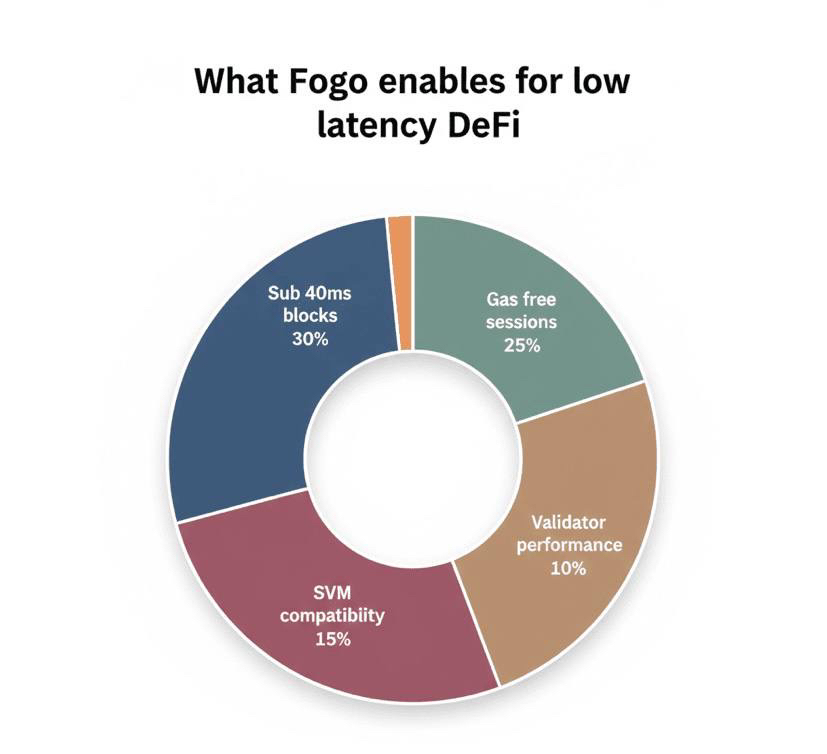
The technical challenge here is significant. Gaming generates more transaction activity than most people realize. A single popular multiplayer game might process millions of in-game events daily. When you add blockchain verification to those events, the infrastructure has to handle that load without players noticing anything different about how the game feels. Fogo built specifically for this. Transaction finality happens in milliseconds. Throughput reaches tens of thousands of transactions per second. Fees cost fractions of a cent per operation. Players interact with game economies without any awareness that blockchain is involved.
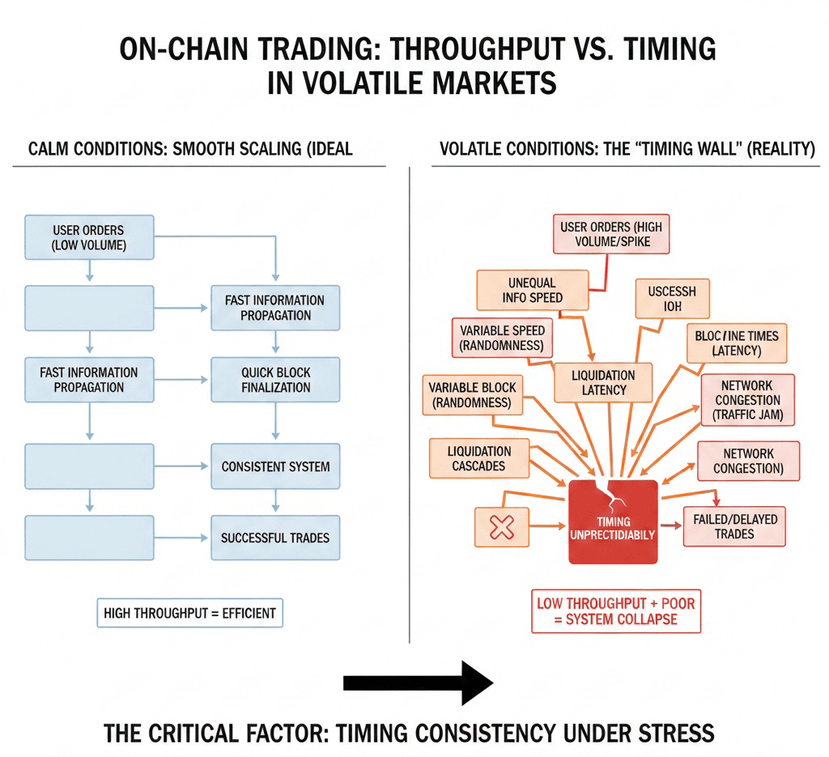
This invisibility is actually the goal. Previous blockchain games announced themselves constantly. Every action reminded players they were using crypto. Wallet addresses instead of usernames. Gas fees before claiming rewards. Confirmation windows interrupting gameplay. Fogo understands that successful infrastructure disappears into the background. The best version of blockchain gaming is one where players just experience better games with better economics without thinking about the technology underneath.
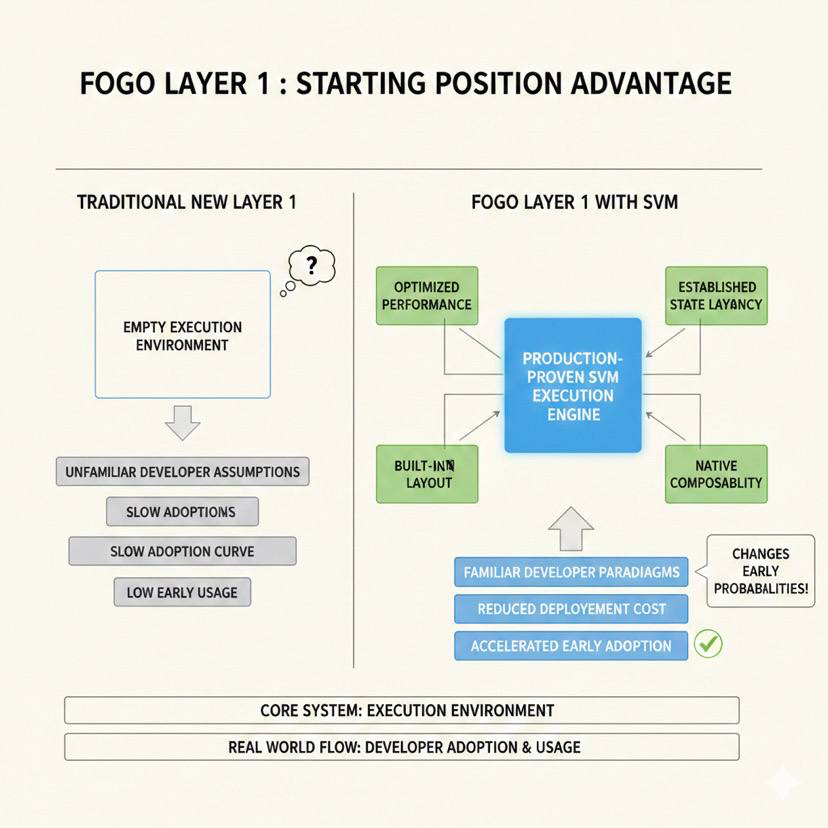
Game developers face a genuine difficulty when considering blockchain integration. Their teams know how to make games. They know Unity. They know Unreal Engine. They know how to optimize frame rates and design combat systems and write narrative dialogue. They don’t know how to write smart contracts or manage validator networks or think about token economics. Fogo built integration tools specifically so developers don’t have to learn any of that. They add blockchain features through familiar APIs without rebuilding their entire development process around new technology.
The economic models this infrastructure enables go beyond simple item ownership. Consider what happens when players can genuinely own assets that retain value outside the game. Secondary markets emerge organically. Players who earn rare items through skill and dedication can sell them to players who prefer spending money over time. Neither party needs to trust the other because the blockchain handles verification and transfer automatically. The developer doesn’t need to operate a marketplace or police fraud. The economics organize themselves through transparent rules that nobody can change unilaterally.
Scholarship systems become possible at meaningful scale. An experienced player with valuable assets can lend them to newcomers who can’t afford entry to high-value game content. Both parties benefit. The asset owner earns returns without active play. The newcomer accesses content they wouldn’t otherwise reach. These arrangements require infrastructure that can handle frequent small transactions without fees consuming the economic value being exchanged. Fogo makes this viable where other platforms would make it impractical.
Play-to-earn gets discussed a lot but rarely implemented sustainably. Most attempts failed because they treated earning as the primary game loop rather than as a natural outcome of engaging gameplay. They also failed because infrastructure costs made frequent small reward distributions economically unviable. Fogo addresses the infrastructure problem without solving the design problem. Developers still need to make games worth playing. But when they do make engaging games, Fogo ensures the economic layer actually works for players at every level of engagement and investment.
Cross-game asset compatibility remains the most ambitious idea in the space and the hardest to implement well. Fogo provides the technical foundation. Assets carry persistent cryptographic identity that survives across different games and experiences. Whether developers actually implement compatibility depends on creative decisions about game design and commercial decisions about competitive differentiation. The infrastructure enables the possibility without forcing it on anyone.
Security matters in ways that aren’t always obvious. Gaming assets increasingly represent genuine economic value that players depend on. When items in games become worth real money, protecting them requires security comparable to financial systems rather than typical game account protection. Fogo implements formal verification for critical contracts, runs regular independent security audits, and maintains continuous monitoring for suspicious patterns. Players should never have to think about this layer but it has to work correctly every time.
The FOGO token coordinates incentives across the ecosystem. Validators stake tokens to secure the network and process transactions, facing real financial consequences for poor performance. Transaction fees create demand tied directly to how much gaming activity flows through the platform. As games succeed and player populations grow, token demand grows with them. Governance gives community members voice in platform evolution while studios need stable long-term infrastructure they can build multi-year projects on top of.
We’re seeing early signs that gaming culture is shifting toward valuing ownership alongside entertainment. Younger players grew up with digital economies in games like Fortnite and Roblox. They already understand that digital items have value and that earning them matters. The conceptual leap to genuine cryptographic ownership is smaller for this generation than it was for players who grew up with physical cartridges.
If gaming does move toward player ownership as a standard expectation rather than a niche feature, the infrastructure powering that shift matters enormously. Fogo is building that infrastructure now, before the mainstream transition happens. The platform will be tested not by how well it performs in early experiments but by whether it can support gaming economies at the scale that mainstream adoption would require.
That scale is genuinely enormous. Hundreds of millions of players across thousands of games running continuously with complex interdependent economies. Infrastructure either handles that reality or it doesn’t. Fogo is designed for that reality even if it hasn’t faced it fully yet. The question is whether gaming gets there before something else makes the question irrelevant.