

@Fogo Official When I first began building in blockchain I quickly realized that performance is never just about hardware. It is about architecture and language. It is about how code behaves under pressure. It is about how consensus interacts with execution. That is why Rust and Fogo feel like a natural alignment to me. They are both built around discipline efficiency and deterministic design.
Rust changed the way I think about software. It forces clarity. It forces intention. Memory safety is not optional. Concurrency is not reckless. Every line has weight. In blockchain where a single flaw can cost millions that discipline matters. But beyond safety Rust delivers speed. It compiles down to efficient machine level instructions. It avoids garbage collection pauses. It handles parallel tasks with confidence. That foundation is powerful on its own. But when paired with Fogo it becomes something greater.
#fogo Fogo is not chasing performance through marketing numbers. It is redesigning how consensus behaves under global conditions. Instead of accepting latency as an unavoidable drag it restructures validator coordination to reduce unnecessary communication. It compresses agreement cycles. It optimizes routing. It unifies liquidity. The result is sub milliseconds perceived finality through structural efficiency.
When I combine Rust with Fogo I see a full stack philosophy. At the base layer Fogo minimizes communication overhead and streamlines consensus. At the execution layer Rust ensures that application logic runs with precision and safety. The two reinforce each other. Lean consensus meets lean code.
In many traditional systems bottlenecks hide in execution. Even if consensus is optimized inefficient contract code can slow everything down. Rust prevents that erosion. Its ownership model reduces memory errors. Its compile time guarantees eliminate entire categories of runtime bugs. That means applications built on Fogo do not just inherit network efficiency. They amplify it.
The relationship between language and infrastructure becomes clear when I think about parallelism. Fogo optimizes validator pathways and coordination cycles. Rust allows developers to safely execute parallel tasks without race conditions. That alignment unlocks real time systems that feel responsive and stable under load.
Here is how I see the stack working together.
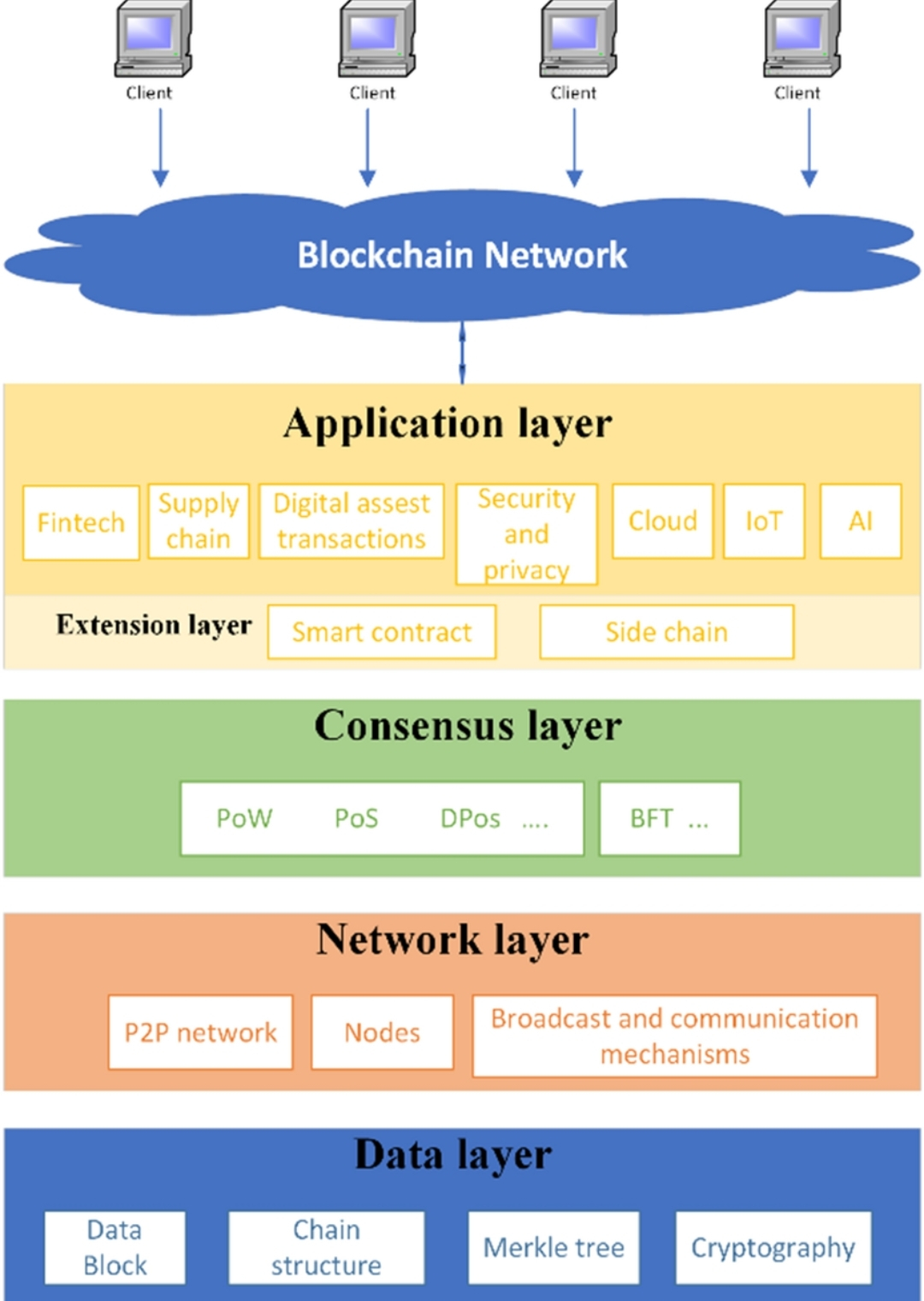
Conceptual stack representation
Application Layer
Rust Smart Contracts And Logic
Execution Layer
Parallel Processing And Deterministic State Transitions
Consensus Layer
Fogo Optimized Validator Coordination
Network Layer
Reduced Communication Rounds And Intelligent Routing
This structure shows why Rust and Fogo complement each other. Fogo reduces consensus friction. Rust reduces execution friction. Together they compress total system latency from both directions.
For decentralized finance this matters deeply. When state transitions execute quickly and finality feels immediate arbitrage narrows spreads naturally. Yield strategies adjust dynamically. Stable asset rebalancing happens without hesitation. Builders can design products that assume near instant confirmation rather than planning around delay.
I also see this combination shaping developer confidence. Rust encourages rigorous thinking. Fogo rewards efficient design. When I build in this environment I feel less like I am fighting the system and more like I am cooperating with it. The infrastructure expects precision and the language enforces it.
Security is another area where this pairing shines. Rust eliminates many memory related vulnerabilities at compile time. Fogo reduces attack surfaces related to prolonged confirmation windows by compressing agreement cycles. Faster finality reduces uncertainty. Deterministic execution reduces ambiguity. The network becomes both efficient and resilient.
What excites me most is how this foundation enables new categories of applications. High frequency trading logic. Real time gaming systems. Micro payment streaming. Dynamic yield routing. These ideas struggle on slower networks where latency fragments opportunity. On Fogo with Rust they feel natural. Execution keeps pace with consensus. Consensus keeps pace with user expectation.
Rust also aligns with long term sustainability. Efficient binaries consume fewer resources. Parallel processing maximizes hardware utilization. When infrastructure and language both emphasize efficiency the entire ecosystem benefits. Validators operate predictably. Developers build responsibly. Users experience stability.
I do not see Rust as just another supported language on Fogo. I see it as part of the performance strategy. Fogo redesigns how nodes coordinate across geography. Rust redesigns how developers express logic safely and efficiently. Together they transform the idea of speed from a marketing metric into an architectural principle.
The speed of light will always be a physical boundary. But inefficiency does not have to be. Rust ensures that execution waste is minimized. Fogo ensures that consensus waste is minimized. When both layers are optimized the system approaches a state where latency is felt less and productivity is felt more.
For me Rust and Fogo represent a shift in mindset. Instead of asking how fast data can travel I ask how intelligently systems can coordinate. Instead of focusing only on throughput I focus on responsiveness. Code and consensus are no longer separate concerns. They are synchronized layers of a single performance philosophy.
That is why I believe Rust and Fogo together are not just a technical pairing. They are a blueprint for the next generation of blockchain infrastructure. Lean code. Lean consensus. Deterministic execution. Sub milliseconds perception. When these elements align the network stops feeling like an experiment and starts feeling like real world infrastructure built for global scale.$FOGO
