

In blockchain, speed gets attention. But design creates long-term value.
Many networks focus only on transactions per second. However, performance is not just about being fast. It is about how the system is built to handle pressure, demand and real usage.
@Fogo Official network design appears to focus on reducing execution friction. This means smoother processing, lower delays and better coordination between network components. When the structure is optimized, applications can run more efficiently.
This is important for high-performance use cases.
For example, advanced trading systems require near real-time execution. Even small delays can affect results. Real-time gaming platforms also depend on low latency. Data-heavy protocols need stable throughput when activity increases.
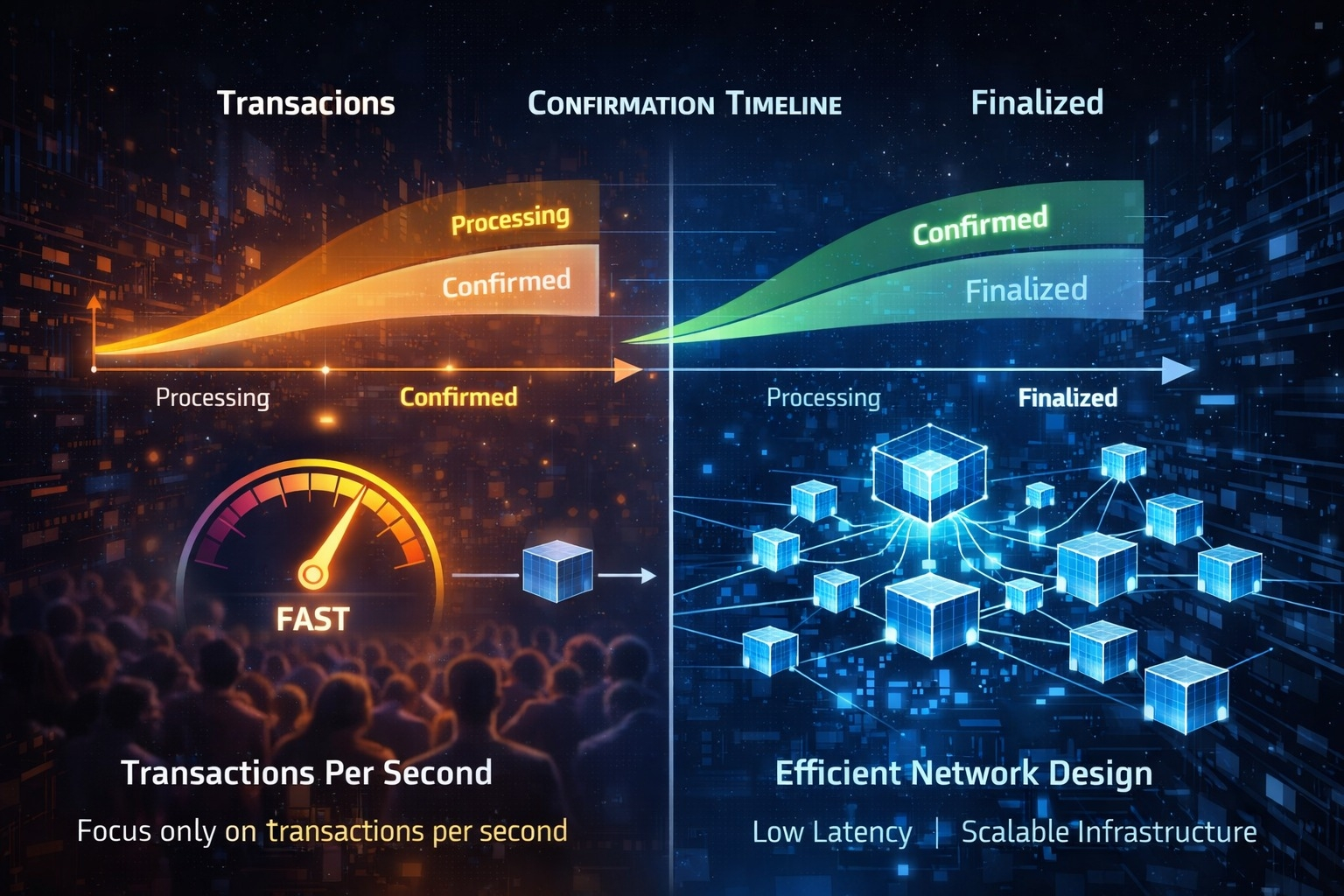
If the network architecture reduces bottlenecks, developers do not need to constantly adjust for limitations. Instead, they can focus on building better user experiences.
Another key factor is scalability under demand. A strong design should not only work during low activity. It must stay reliable when users increase. Sustainable growth depends on infrastructure that can expand without sacrificing performance.
High-performance blockchains are not just faster chains.
They are systems engineered with structure, efficiency and long-term scalability in mind.
If #fogo continues developing around architectural strength rather than short-term hype, it may position itself as infrastructure built for serious applications not just transactions, but real digital ecosystems.
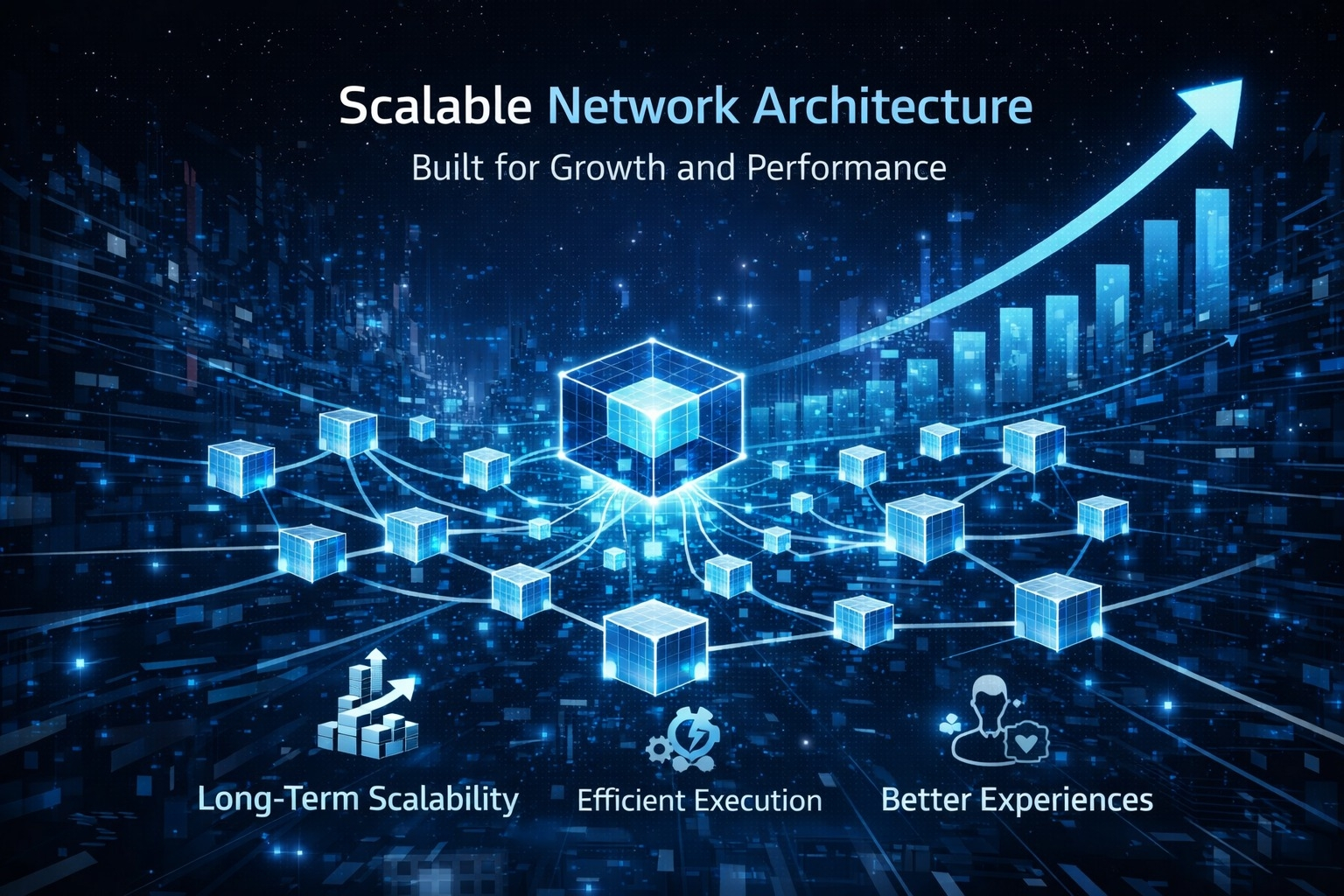
In the end, network design shapes what builders can create.
And strong infrastructure often defines the future of innovation.
