

Let’s be honest.
Blockchain has been “about to go mainstream” for over a decade now. I’ve heard the pitch a hundred times. Faster chains. Cheaper fees. More scalable infrastructure. And yet, ask your cousin, your barber, or even most gamers what they actually use blockchain for and you’ll probably get a blank stare.
That’s the problem.
The tech got better. The adoption didn’t.
And this is where Vanar comes in. At least, that’s the bet.
Vanar is a Layer 1 blockchain powered by the VANRY token, and instead of obsessing over raw speed numbers or developer bragging rights, it focuses on something way more practical: real users. Regular people. Gamers. Brands. The next three billion consumers everyone in Web3 keeps talking about but hasn’t actually onboarded yet.
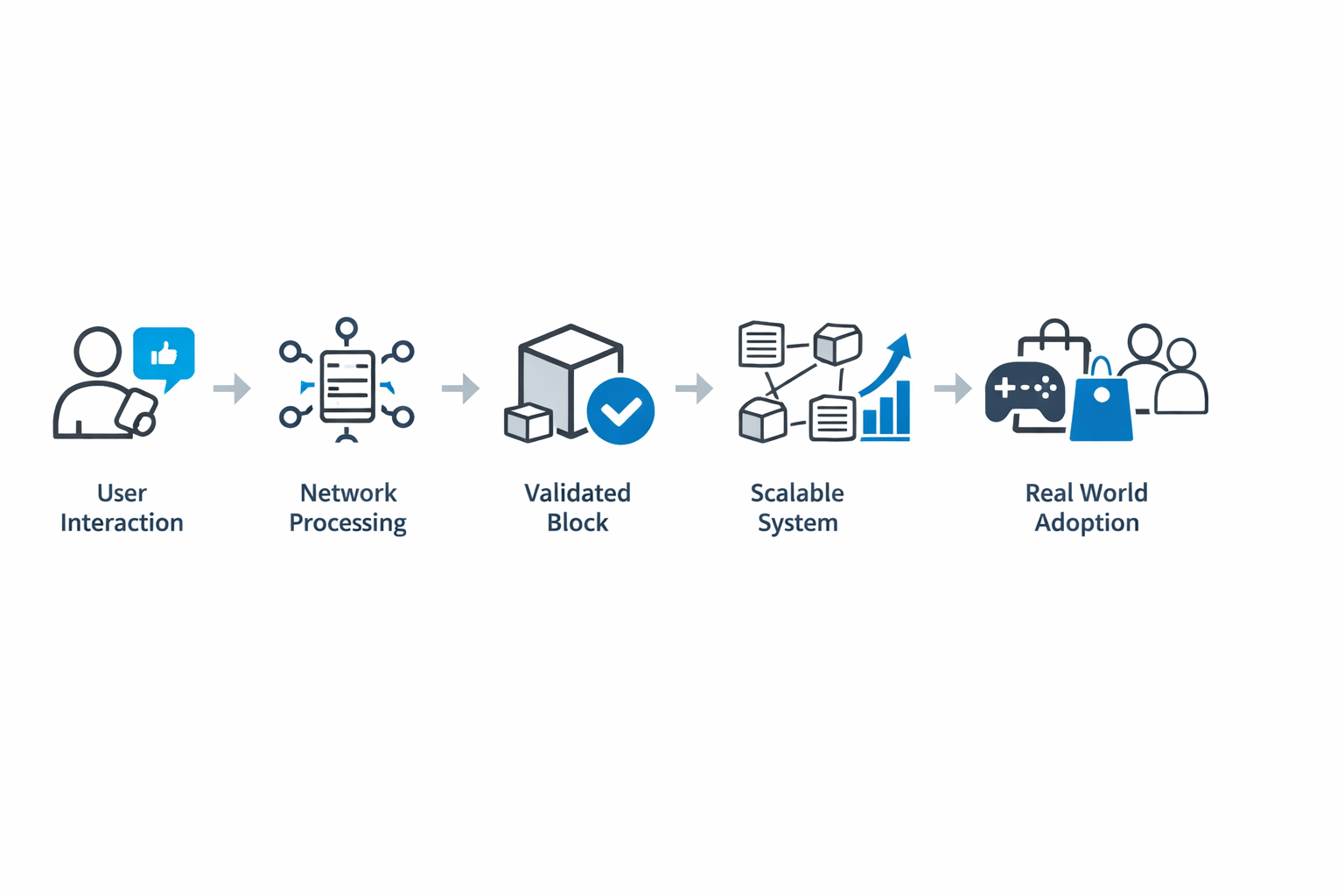
Look, the thing is, infrastructure alone doesn’t attract people. Experience does.
A Quick Reality Check on Blockchain’s Evolution
First we had Bitcoin. Digital money. Clean, simple idea. No banks. That narrative made sense.
Then Ethereum showed up and said, “What if we could program money?” Smart contracts unlocked DeFi, NFTs, token economies, DAOs. All that good stuff.
But here’s what people don’t talk about enough: as the tech got more powerful, it also got more complicated.
Gas spikes. Wallet headaches. Lost seed phrases. Bridges getting hacked. If you weren’t already deep in crypto Twitter, you probably felt lost.
So new Layer 1 chains popped up everywhere. Faster finality. Lower fees. Better throughput. And honestly? Most of them sounded the same.
Vanar tries to take a different angle. Instead of asking, “How do we beat other chains on TPS?” it asks, “How do we build something normal people actually want to use?”
That’s a much harder question.
Not Just Infrastructure. An Ecosystem.
Vanar doesn’t just sit there as a base layer waiting for someone to build something cool on top of it. It actively connects its infrastructure to real products across gaming, metaverse environments, AI integrations, eco initiatives, and brand solutions.
That matters.
When a chain controls or directly supports consumer-facing platforms, it doesn’t depend entirely on outside developers to prove its value. It can iterate faster. It can align incentives tighter. It can actually test things in the wild.
And two of the most visible pieces in its ecosystem are Virtua and VGN.
Virtua Metaverse: Where Blockchain Hides in Plain Sight
Virtua Metaverse
Now, I know what you’re thinking. “Metaverse? Didn’t that hype train crash?”
Yeah. The buzz cooled off. But immersive digital environments didn’t disappear. Gamers still hang out in virtual worlds every single day.
Virtua focuses on digital ownership, collectibles, and branded virtual spaces. The key difference? It doesn’t scream “blockchain” in your face. Users explore environments. They collect assets. They interact with branded experiences. Underneath all of that, blockchain handles ownership.
That’s the smarter play.
Most mainstream users don’t care about decentralization philosophy. They care about cool environments and real value. If blockchain works quietly in the background, friction drops. And friction kills adoption faster than anything.
VGN Games Network: Gaming Is the Real On-Ramp
VGN Games Network
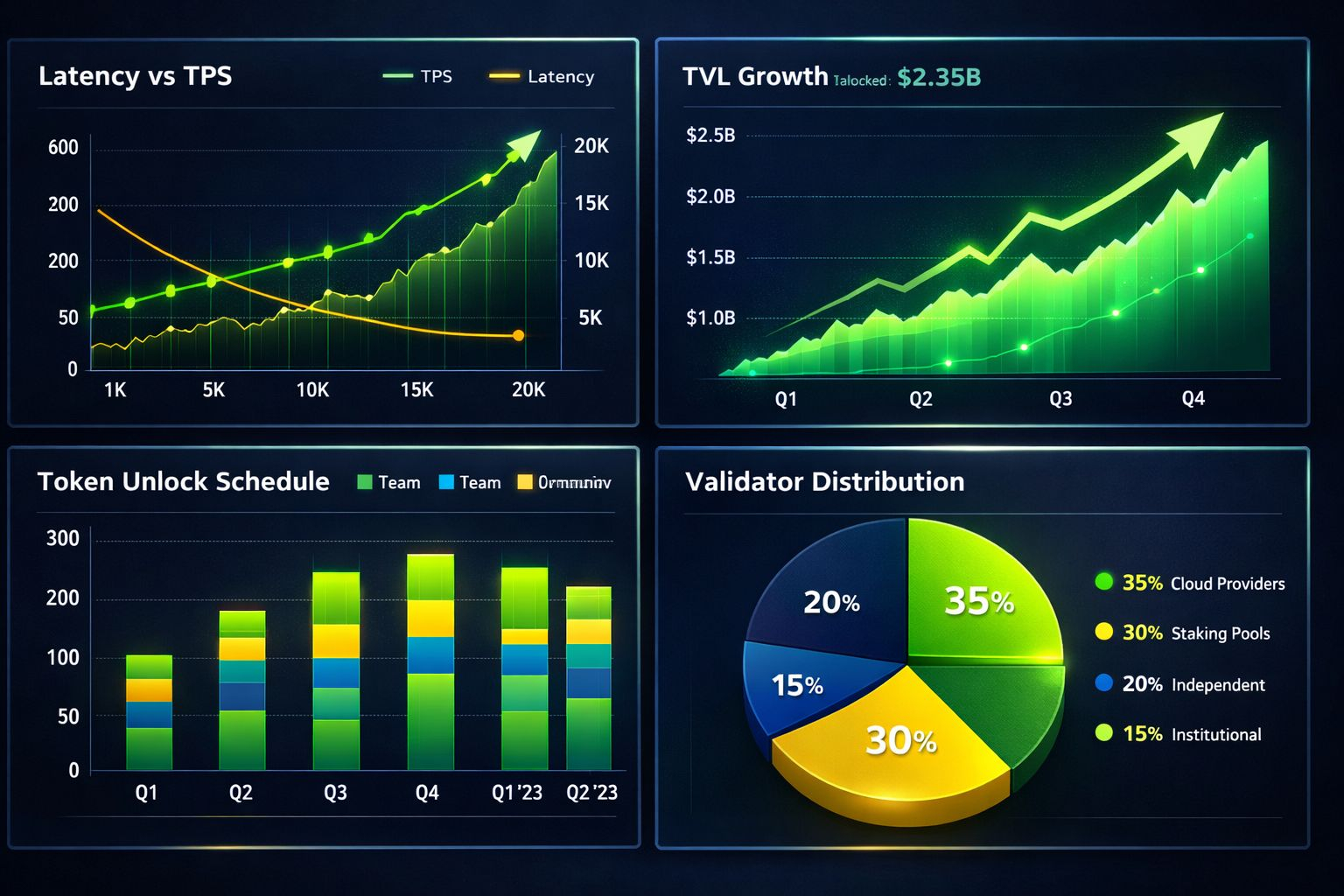
If Web3 ever hits mass adoption, gaming will probably lead the charge. Period.
The global gaming industry generates more than $180 billion a year. Players already understand digital skins, in-game currencies, and cosmetic upgrades. Blockchain just adds actual ownership.
But here’s where people messed up before.
Early play-to-earn games focused way too much on token rewards. They forgot the “game” part. Once token prices dropped, players left. I’ve seen this before. It’s a cycle.
VGN tries to support developers building games where fun comes first. Ownership comes second. Token economies need to enhance gameplay, not replace it.
When players truly own their assets and can trade them freely, that shifts power. It changes incentives. It creates real digital economies. But only if the gameplay holds up.
VANRY Token: Necessary, But Not a Magic Wand
Every Layer 1 needs a native token. VANRY powers transactions, staking, governance, and ecosystem incentives inside Vanar.
Simple enough.
But let’s not pretend tokens are risk-free. Crypto markets swing hard. Speculation can drown out real utility. If price becomes the only narrative, the ecosystem suffers.
For Vanar to succeed long term, VANRY has to anchor itself in actual usage. Real transactions. Real players. Real brand integrations.
Otherwise, it’s just another ticker symbol.
AI, Eco, and Brand Integration
This part gets interesting.
Vanar doesn’t limit itself to gaming. It also positions itself across AI integration, environmental initiatives, and brand solutions.
AI plus blockchain makes sense if you think about identity and data integrity. AI systems rely on massive data sets. Blockchain can secure data trails and verify ownership. Imagine decentralized AI marketplaces where users control how their data trains models. That’s not sci-fi anymore.
Then there’s the eco angle. Blockchain energy consumption criticism still lingers in mainstream conversations. Any chain aiming for global adoption needs efficient consensus and sustainability messaging baked in. Brands won’t touch infrastructure that risks public backlash.
Speaking of brands.
This might be Vanar’s strongest card. Teams with experience in entertainment and global brand collaborations understand scale differently. Corporations don’t jump into Web3 because it’s trendy. They need compliance, predictable infrastructure, and user-friendly design.
If Vanar makes blockchain safe and invisible for brands, that’s huge.
The Hard Truth: Competition Is Brutal
Let’s not sugarcoat it.
Layer 1 competition is savage. Ethereum dominates mindshare. Solana pushes performance hard. Other chains fight aggressively for developers and liquidity.
Vanar has to prove why it deserves attention beyond marketing slides.
Execution will decide everything.
Regulation also adds pressure. Governments still debate crypto frameworks. Consumer-focused ecosystems face even more scrutiny. If you target billions of users, regulators will look closely. That’s just reality.
Misconceptions People Keep Repeating
“All Layer 1s are the same.”
Nope. Governance, ecosystem strategy, design philosophy, and target markets vary wildly.
“Blockchain gaming doesn’t work.”
It works when developers build good games first. It fails when token rewards replace gameplay.
“Metaverse is dead.”
No, the hype cooled. Virtual environments continue evolving quietly. Gamers never left.
Sometimes narratives die. Underlying technology doesn’t.
So What’s the Bigger Picture?
Adoption won’t come from crypto-native traders alone. It will come from gamers who want ownership. From brands experimenting with digital collectibles. From emerging markets where alternative financial rails actually matter.
The next billion users won’t care about consensus mechanisms. They’ll care about experience.
And honestly, that’s where I think Vanar’s thesis makes sense.
If blockchain disappears into the background and simply powers better digital experiences, people will use it without even realizing it. Just like they use TCP/IP without thinking about it.
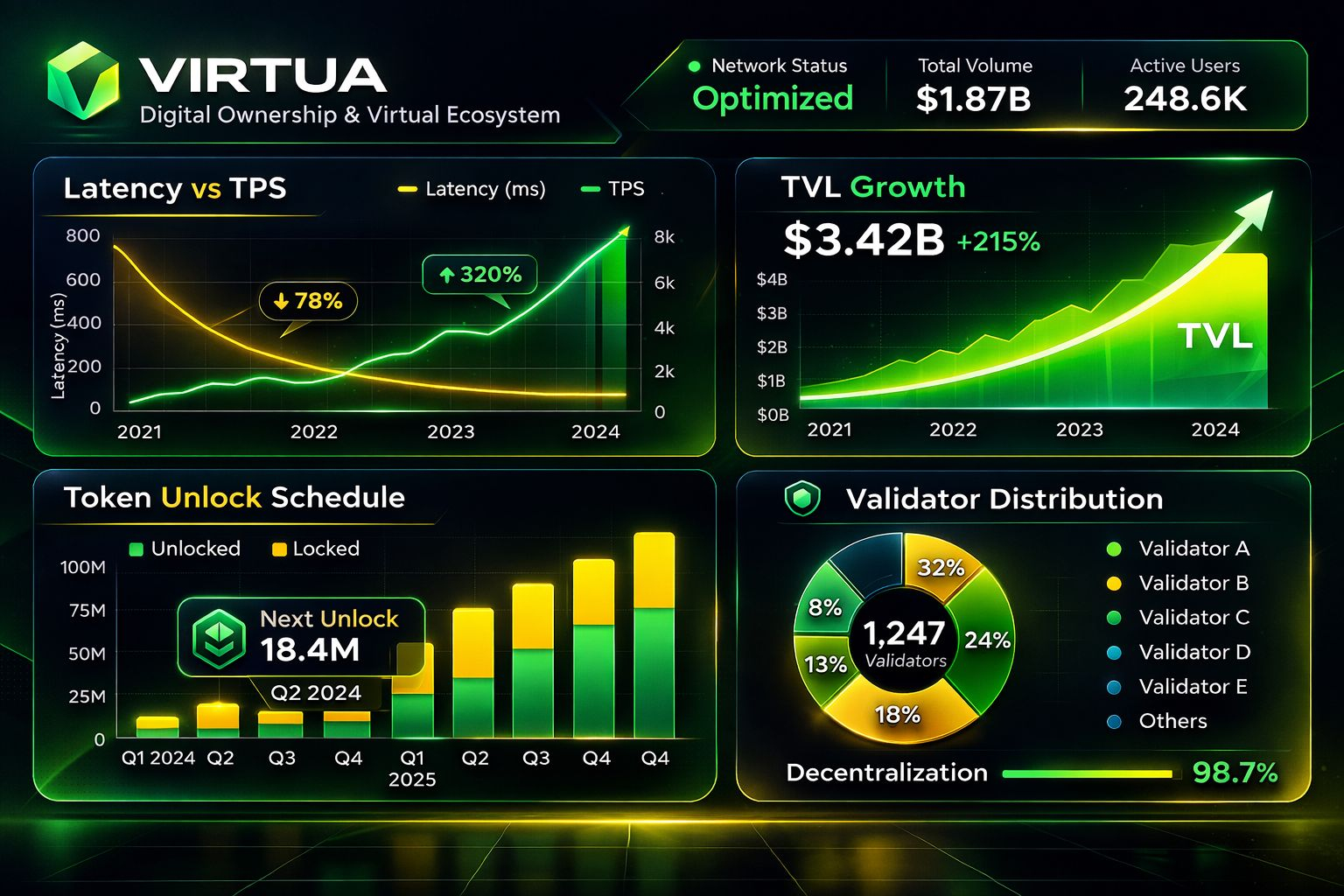
That’s the goal.
But ambition isn’t execution. I’ve seen big promises before. Every cycle produces them.
Vanar’s real test won’t be its token price. It won’t be hype metrics. It will be whether ordinary users stick around. Whether games built on its network feel natural. Whether brands see measurable value.
If it pulls that off, it won’t just be another Layer 1.
It’ll be infrastructure people actually use.
And in Web3, that’s the only thing that matters.
