

I am @Zenobia-Rox The incident report didn’t start with sirens or red dashboards. It started with a spreadsheet and a timestamp.
PERMISSIONS TABLE OUT OF SUNC WITH A VENDOR WORKFLOW
A compliance officer asking a simple, uncomfortable question: Should that client allocation ever have been visible outside the closed group?
NO BREACH NO HACKER NO HEADLINE 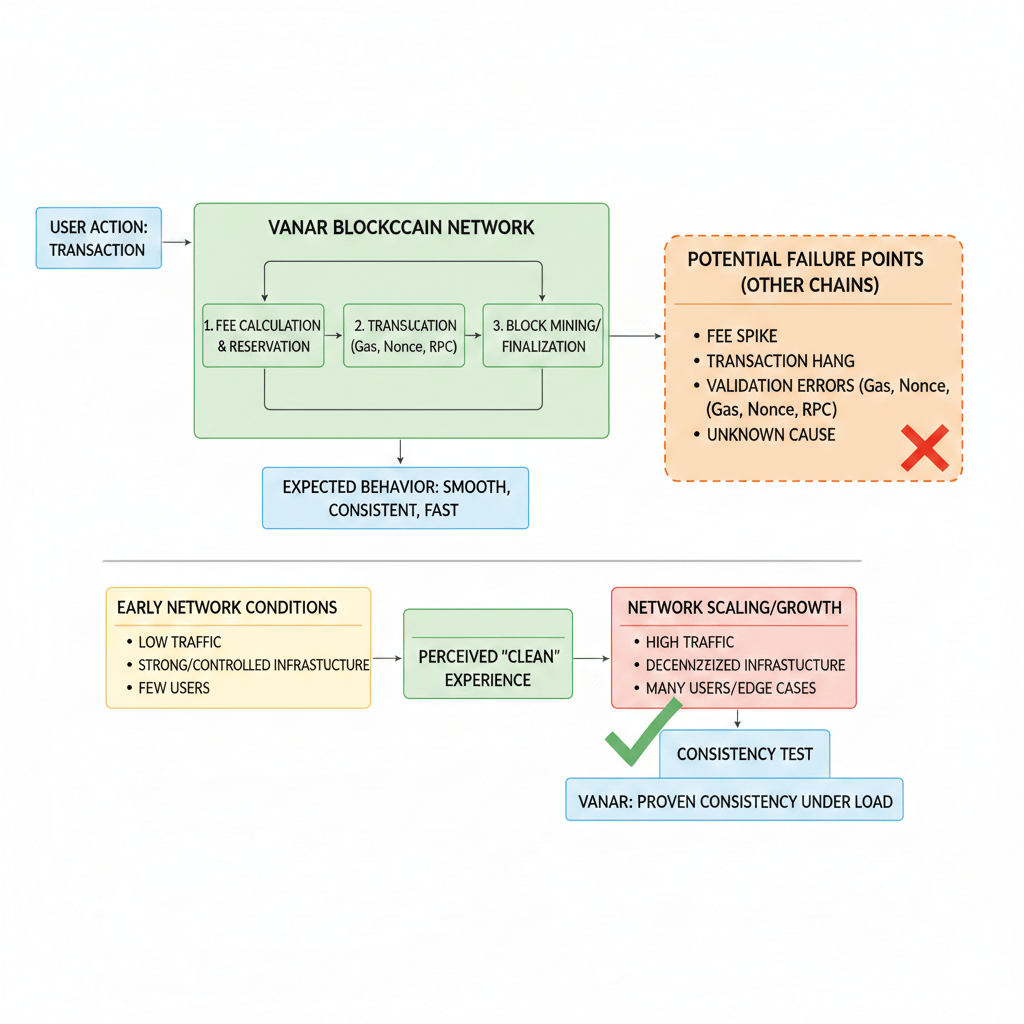
Just that quiet, sinking realization every operations lead knows too well: in real businesses, showing data to the wrong people isn’t transparency. It’s liability.
Somewhere along the way, parts of crypto confused radical transparency with integrity. The idea sounds good on a stage. “Everything visible. Everything verifiable. Nothing hidden.” Applause follows.
But try saying that in a payroll review. Or in front of employment counsel. Or when a regulator asks why counterparty exposure was effectively posted to a public bulletin board for competitors to analyze.
PRIVACY ISNT A LUXURY FEATURE IN MANY JURISDICTIONS ITS THE LAW
AUDITABILITY ALSO MANDATORY
AND GROWN UP SYSTEMS HAVE TO DO BOTH AT THE SAME TIME
That’s the quiet logic behind Vanar Chain. It doesn’t shout about it. It doesn’t market confidentiality as rebellion. It treats it as infrastructure.
The philosophy is simple:
Show people what they’re allowed to see.
Prove the rest without exposing it.
Don’t leak what you don’t need to leak.
Think about a real audit room. There’s a sealed folder on the table. The auditor doesn’t tape every page to the office lobby wall to prove honesty. They review controls. They reconcile hashes. They inspect access logs. The right people open the right documents. Integrity is established without spectacle.
THATS NOT SECTECY THAT.S GOVERNANCE.
Vanar’s architecture reflects that mindset. Modular execution environments sit on top of a deliberately conservative settlement layer. Settlement isn’t supposed to be exciting. It’s supposed to be predictable. Predictability is what survives regulators, risk committees, and long procurement cycles.
Compatibility with Ethereum tooling isn’t about hype. It’s about practicality. EVM familiarity means teams can reuse audit pipelines, Solidity habits, established DevOps practices. Lower friction means lower operational risk. You don’t demolish the house if the foundation works.
The team’s background also matters. Work tied to products like Virtua Metaverse and VGN Games Network isn’t theoretical. Gaming, entertainment, brand licensing — these involve IP agreements, revenue splits, consumer protection frameworks. They operate in environments where contracts have consequences.
If you want mainstream adoption, you build for that reality. Lifecycle controls. Asset tokenization that can survive regulatory review. Systems that don’t collapse the first time someone asks for a compliance report.
At the center sits $VANRY — the economic layer tying execution and security together. Staking here isn’t just yield. It’s alignment. Validators aren’t abstract machines; they are operators with capital at risk. Incentives matter. Emissions paced over time aren’t about short-term excitement. They’re about credibility.
BUT NONE OF THIS ERASES RISK
Bridges. Token migrations. Boundary contracts. Moving from ERC-20 or BEP-20 representations to native assets concentrates trust. It creates chokepoints. In distributed systems, failures don’t fade quietly. They cascade.
PRETENDING OTHERWISE IS CHILDISH
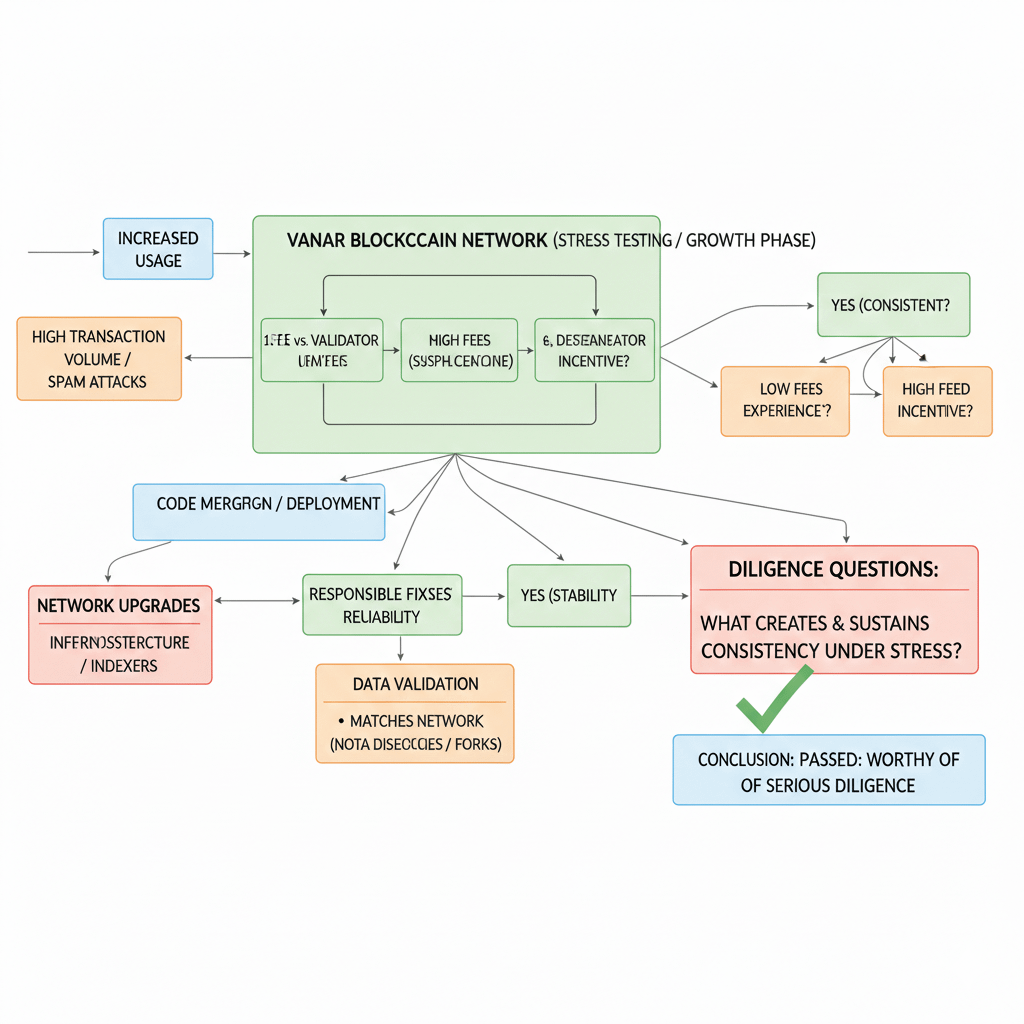
Acknowledging fragility — and designing around it — is maturity. Dual controls. Migration playbooks. Explicit disclosures. Segmented access. Audit trails that are provable without being broadcast to the world.
Traditional finance learned long ago that confidentiality protects markets. Payroll privacy prevents harm. Confidential merger talks prevent manipulation. Controlled disclosure keeps competition fair.
TOTAL TRANSPARENCY IN THE WRONG CONTEXT ISNT VIRTUOUS ITS RECKIESS
A ledger that knows when to stay quiet isn’t hiding corruption. It’s respecting boundaries. Selective disclosure isn’t selective truth — it’s cryptographic proof delivered to the right audience at the right time.
Real adoption doesn’t happen because something trends. It happens because a risk committee nods instead of hesitates. Because a regulator doesn’t immediately flinch. Because an enterprise legal team signs off after reading the documentation twice.
MOST OF BLOCKCHAIN STILL CHASES APPLAUSE
SOME NETWORKS AIM FOR SOMETIMES QUIIETER APPROVAL IN ROOMS WITHOUT CAMERAS.
AND SOMETIMES THATS THE DIFFERENCE BETWEEN DEMO AND A SYSTEM THAT SURVIVES