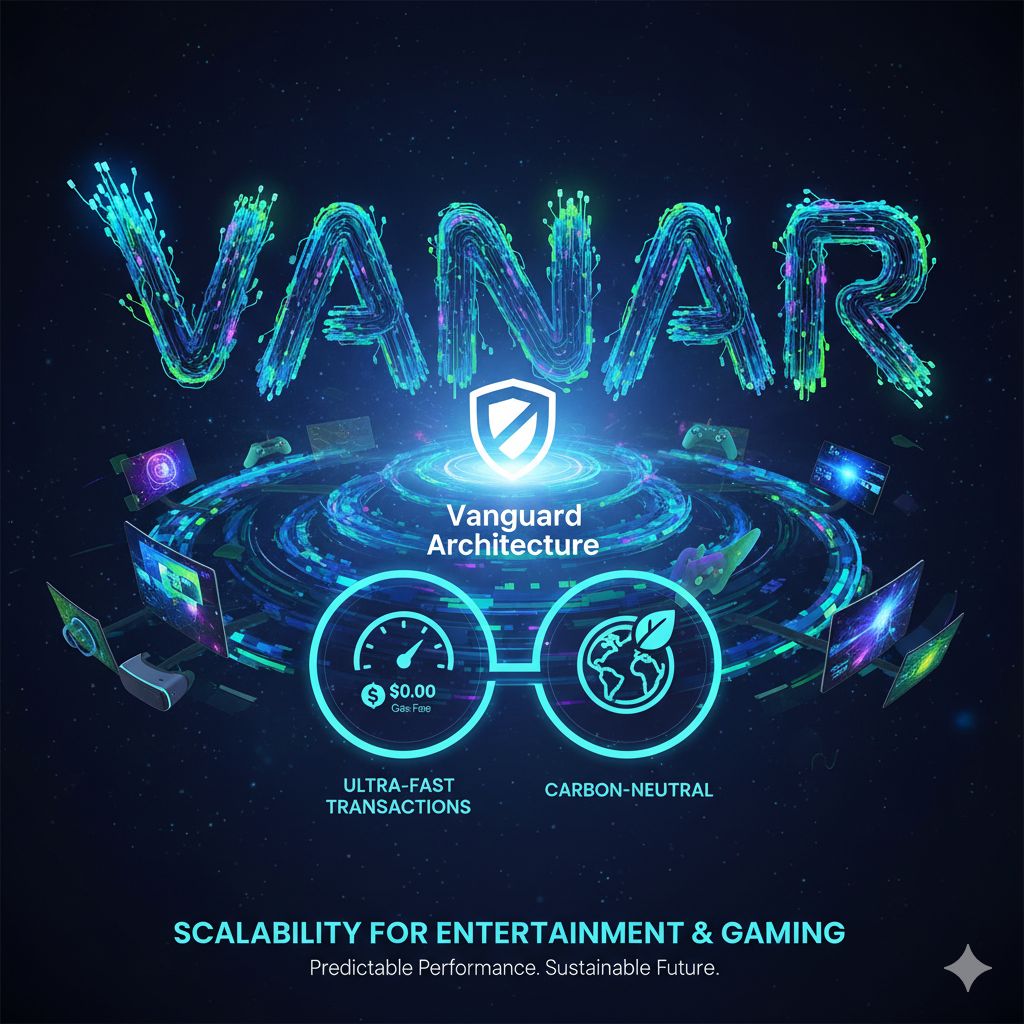
As blockchain technology matures, scalable, efficient, and user-centric networks are crucial for real-world adoption. Vanar Chain is emerging as a next-generation Layer-1 blockchain that addresses key limitations of traditional networks by combining high throughput, low transaction costs, and built-in tools to support developers and end users alike. Its core mission is to make Web3 more accessible, practical, and usable without compromising on security or decentralization.
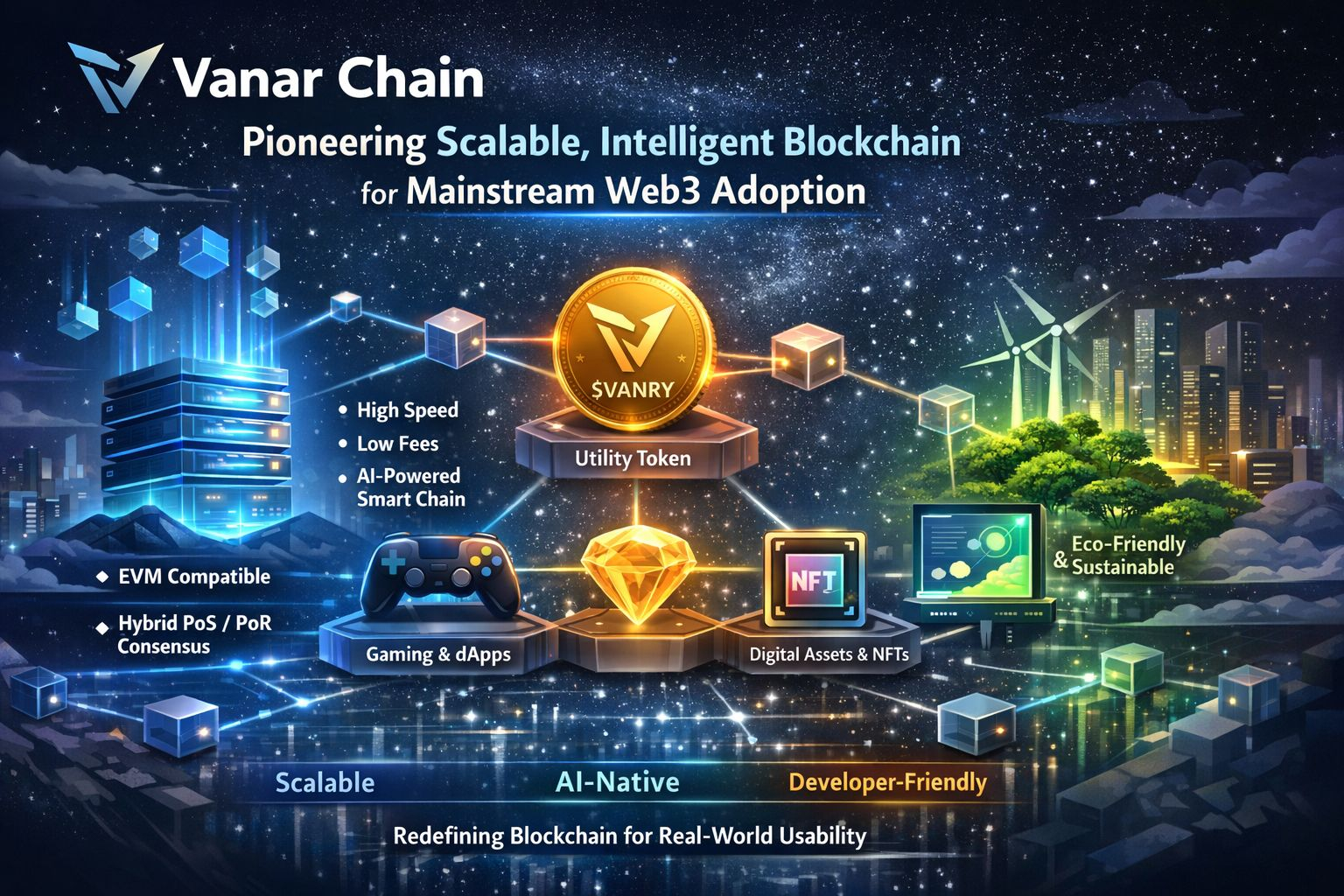
At its heart, Vanar Chain is designed to overcome the performance bottlenecks that many existing blockchains face — particularly slow finality, congestion, and unpredictable fees. Built from the ground up as a scalable infrastructure layer, Vanar can handle thousands of transactions per second (TPS) with sub-second block times and transaction costs as low as a fraction of a cent. This performance profile enables a wide range of real-time applications like gaming, digital asset exchanges, micropayments, and decentralized finance (DeFi) services.
One of Vanar’s most distinctive attributes is its AI-native focus. Unlike many blockchains that merely execute static code, Vanar embeds artificial intelligence logic directly into its protocol layer. Through innovations like on-chain data compression and intelligent reasoning engines, the chain can process, store, and interact with data in ways that enable smarter contracts and adaptive decentralized applications. This capability expands blockchain utility beyond simple value transfers to more dynamic and data-intensive operations — from automated compliance workflows to interactive gaming logic.
Vanar Chain’s underlying architecture supports multiple consensus mechanisms, including hybrid Proof-of-Stake (PoS) and Proof-of-Reputation (PoR), which balance security and efficiency while promoting validator credibility and network trust. The network also maintains full Ethereum Virtual Machine (EVM) compatibility, giving developers access to familiar tools and a rich ecosystem of libraries, thereby lowering the barriers to building decentralized applications (dApps).
Central to the ecosystem is the VANRY token, which serves as the native utility asset of Vanar Chain. VANRY is used to pay transaction fees, facilitate smart contract operations, and participate in staking and governance processes. Its tokenomics are structured to promote long-term network health — with incentives allocated for validators, development, and community programs, and no direct team allocation, signaling a community-centric approach to growth.
Vanar’s strategic vision goes beyond infrastructure. Its ecosystem emphasizes real use cases in gaming, entertainment, and commerce by enabling real-time micropayments, digital asset ownership, and immersive Web3 experiences. The platform’s design also supports integrations with brands, payment systems, and enterprise tools, aiming to bridge the gap between technical innovation and everyday usability.
Sustainable operations are another cornerstone of the project. Vanar integrates eco-friendly infrastructure solutions, reducing energy consumption and leveraging renewable energy wherever possible. This reflects a growing emphasis in the blockchain industry on balancing performance with environmental stewardship.
Ultimately, Vanar Chain represents a holistic attempt to redefine what a Layer-1 blockchain can be — not just a ledger for transactions, but a platform capable of intelligent computation, seamless user experiences, and tangible real-world usage. As Web3 continues to evolve, projects like Vanar that prioritize both scalability and usability are positioning themselves to shape the next wave of decentralized technology.