

Vanar Chain: AI-Native Infrastructure Stack Built for Real Users and Autonomous Agents
When I first researched Vanar Chain and VANRY, I assumed it was another Layer-1 chasing TPS benchmarks and low fees. But after actually using myNeutron — Vanar's AI memory infrastructure — and studying the stack, I realized this isn't positioning. Vanar is building AI-native infrastructure where agents operate economically, memory persists at the protocol layer, and automation doesn't require human confirmation.
The Stack That Makes AI Agents Economically Viable
Most chains claim they support AI because they can host an endpoint. That's surface-level. Vanar's infrastructure treats AI agents as first-class economic participants — not afterthoughts bolted onto existing architecture.
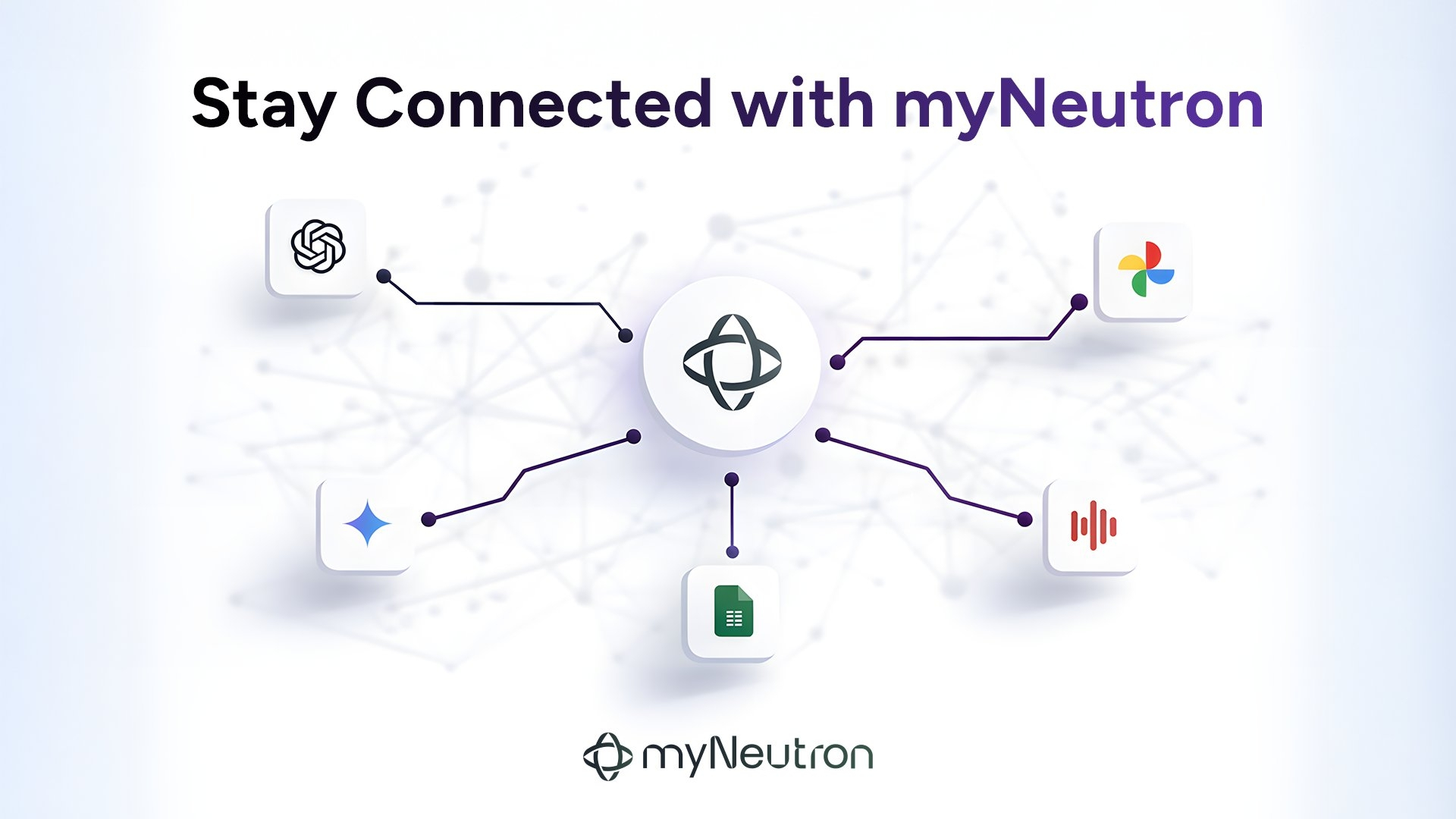
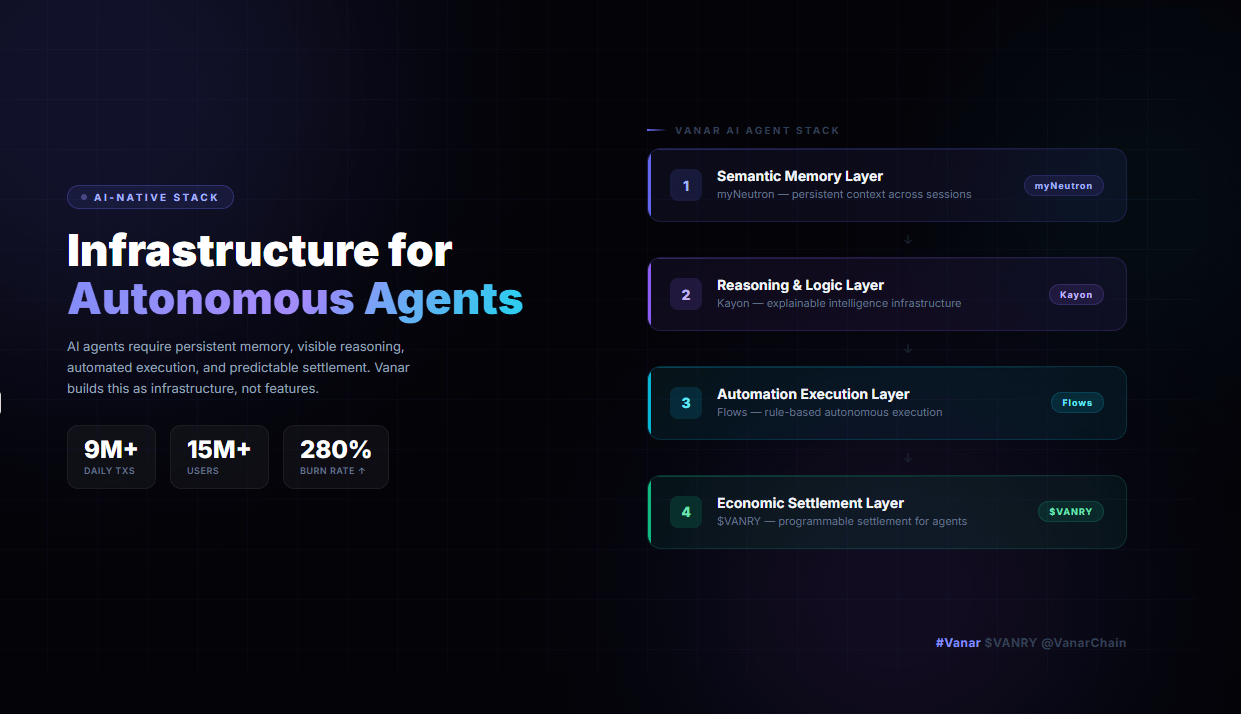
The myNeutron component provides semantic memory at the infrastructure level. AI agents require persistent memory to operate effectively. Session-based amnesia limits what agents can accomplish. By embedding structured memory into the stack, Vanar enables agents to maintain context across interactions — a serious architectural decision for agent-driven automation at scale.
Kayon brings reasoning and explainability into the infrastructure layer. Interpretation and logic become visible components of the stack rather than hidden behind centralized APIs. When agents need to execute autonomously, visible reasoning infrastructure matters.
Flows connects intelligence to action through rule-based automation. Agents don't just suggest outcomes — they execute safely within defined parameters. Memory → reasoning → automation. That stack makes structural sense for agents operating economically, not just computationally.
Infrastructure That Disappears Behind Consumer Experience
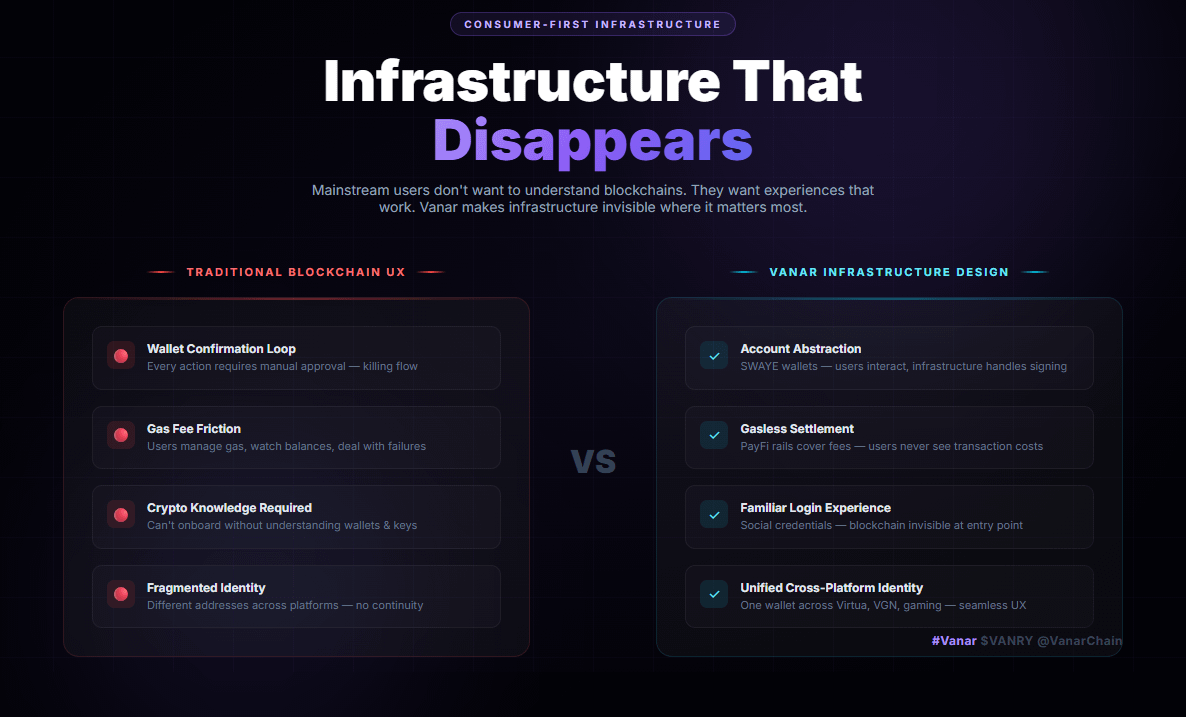
Vanar builds for mainstream users, not blockchain natives. As infrastructure designed with consumers in mind, Vanar prioritizes seamless UX, reliable performance, and production-ready stack for gaming and entertainment — ensuring the blockchain layer disappears when it should.
The Virtua Metaverse demonstrates this infrastructure philosophy in practice. Players explore persistent worlds, own tradable assets, and engage in cross-platform experiences without confronting blockchain mechanics. SWAYE social wallets and account abstraction make infrastructure invisible. Users log in with familiar credentials and interact naturally — no wallet friction, no gas decisions, no manual transaction signing.
This consumer-first approach extends across the VGN Games Network. Developers access Unreal and Unity APIs, marketplace infrastructure, and social layers without rebuilding games around blockchain constraints. The infrastructure serves the experience rather than dictating it.
PayFi Settlement Infrastructure for Gaming Economies
Vanar embeds PayFi rails directly into gaming infrastructure. Micropayments settle predictably, rewards transfer across experiences, and assets mint cross-chain — all invisible to users. One identity, one wallet, one seamless economic layer moving across the ecosystem.
This settlement infrastructure matters for AI agents and automation. Agents transacting at scale require predictable settlement without human confirmation loops. VANRY underpins this economic layer, enabling programmatic settlement that supports both consumer applications and autonomous agent workflows.
Real Usage Metrics Validate Infrastructure Design
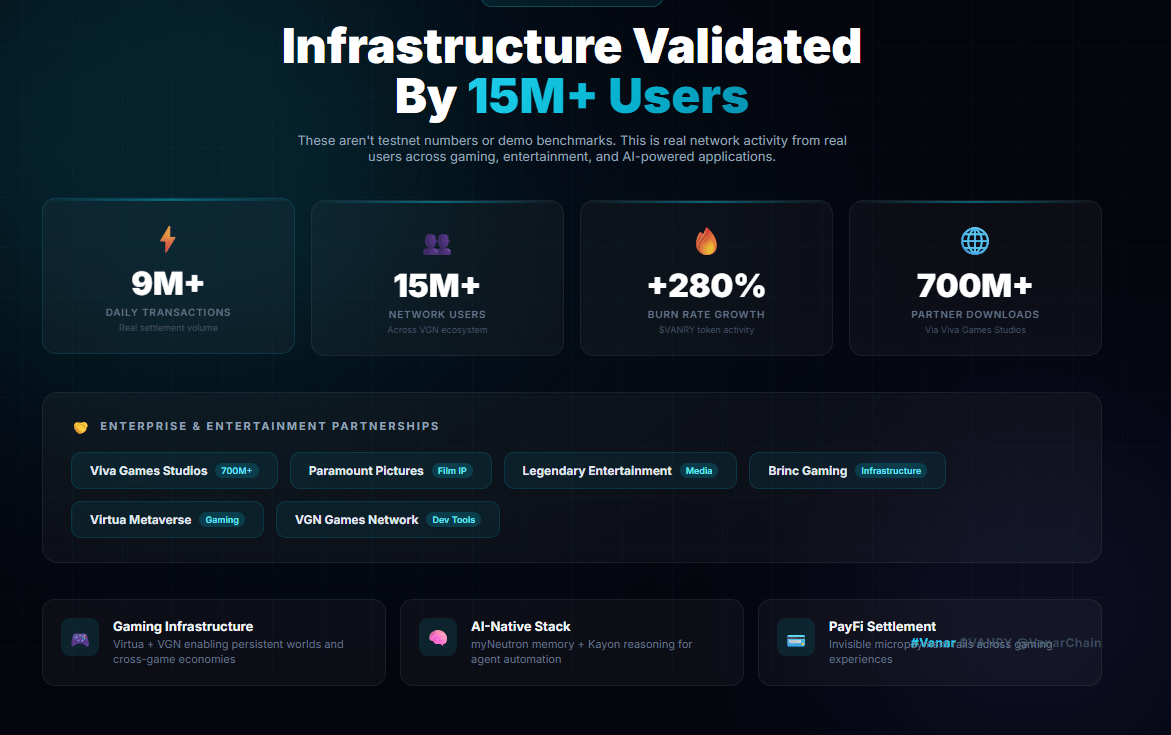
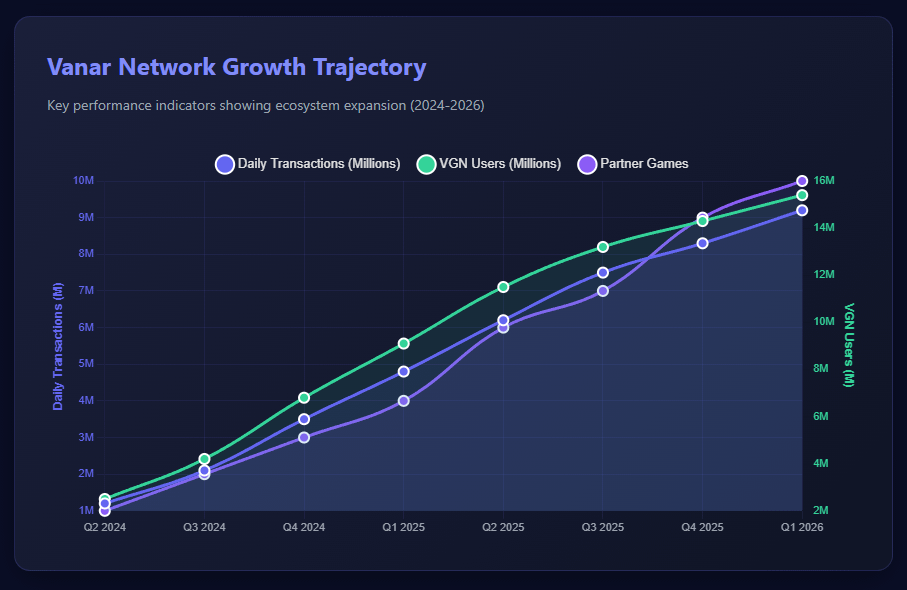
By early 2026, Vanar processed over 9 million daily transactions with 15+ million users across the VGN network. VANRY burn rates increased 280%, reflecting real network activity rather than speculative volume. These numbers validate infrastructure decisions focused on real usage patterns, not theoretical benchmarks.
Partnerships with Viva Games Studios (700M+ downloads), Paramount Pictures, Legendary, and Brinc Gaming ensure distribution infrastructure reaches mainstream audiences. These aren't crypto-native partnerships — they're consumer entertainment infrastructure connecting blockchain capabilities to existing user bases.
AI-Native Architecture: Memory as Infrastructure
Using myNeutron personally changed how I understand AI infrastructure on-chain. The platform transforms scattered blockchain data into Seeds — AI-ready knowledge objects that enhance gameplay, analytics, and personalization. This isn't storage infrastructure. It's intelligence infrastructure.

For AI agents operating across gaming environments, persistent memory infrastructure enables continuity that session-based systems cannot provide. Agents remember user preferences, game state, economic history, and strategic patterns. That memory persistence makes agent-driven automation reliable rather than fragile.
The infrastructure stack supporting this includes cross-chain expansion starting with Base. AI infrastructure cannot remain siloed. Agents operating economically need access wherever usage occurs. Vanar's cross-chain infrastructure ensures the stack travels rather than constraining agent workflows to single-chain environments.
The Infrastructure Feedback Loop
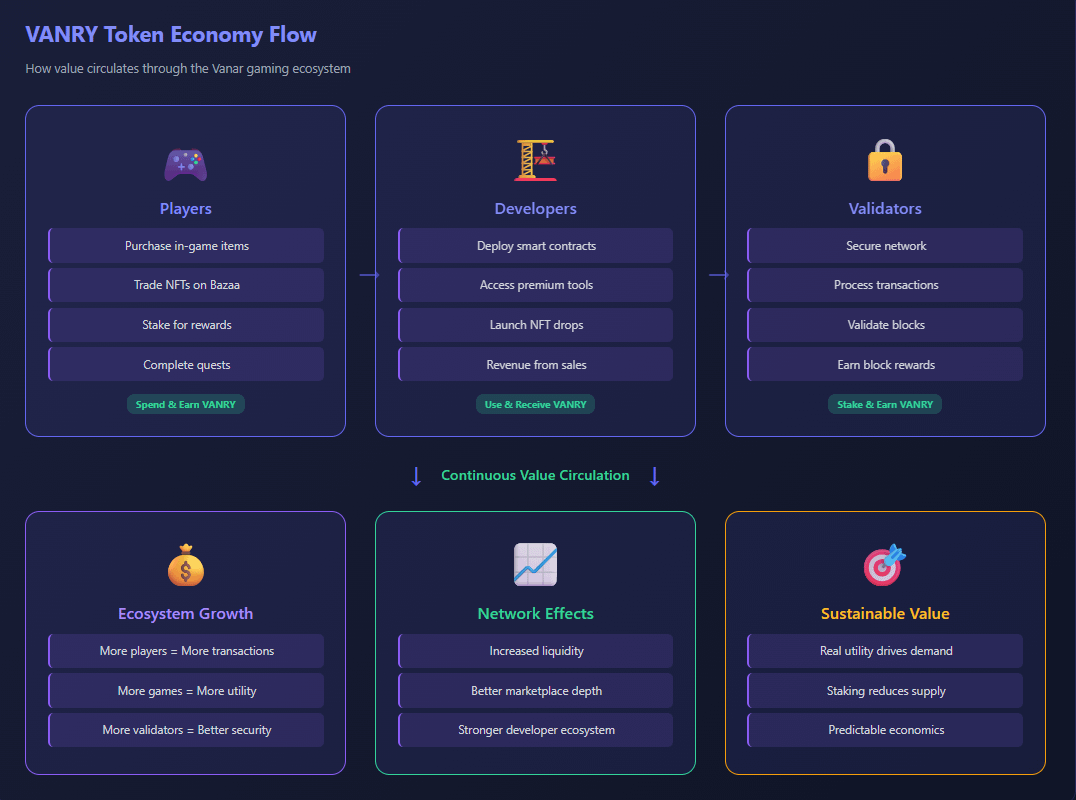
Vanar's ecosystem design creates compounding network effects. Each game, transaction, and agent interaction strengthens the infrastructure layer. New applications plug into existing economic infrastructure, enhancing rather than fragmenting value. This feedback loop approach to infrastructure design supports long-term adoption built on real activity, not viral speculation.
Every consumer interaction feeds data into the AI infrastructure layer. Every agent execution validates the automation stack. Every settlement reinforces the economic infrastructure. The result: infrastructure that improves through usage rather than deteriorating under scale.
Why Infrastructure Architecture Matters More Than TPS Claims
AI agents don't need record-breaking TPS. They need persistent memory infrastructure, automation rails that execute reliably, verifiable logic layers, and native economic settlement. When agents transact — paying for APIs, executing strategies, managing digital assets — they require programmable, compliant settlement infrastructure.
That's where VANRY becomes structurally aligned with actual usage rather than narrative positioning. VANRY powers transaction fees and execution across Vanar's infrastructure. If intelligent systems operate at scale economically, VANRY underpins the settlement layer supporting them.
This represents infrastructure alignment, not token narrative. The economic layer and the technical stack integrate rather than existing independently.
Consumer-Scale Infrastructure Experience
Vanar's operational background in gaming, entertainment, and virtual worlds — including Virtua Metaverse and VGN network — demonstrates exposure to consumer-scale infrastructure requirements. Building for 15+ million users reveals failure modes that developer-focused chains never encounter.
Infrastructure that disappears behind consumer experience isn't a design preference — it's the only way these environments function. Sessions need continuity. Experiences require feeling uninterrupted. Users abandon products the moment infrastructure friction appears.
That operational infrastructure experience shapes architectural decisions. The stack assumes consumer usage patterns rather than adapting developer tools after launch.
The Honest Infrastructure Assessment
Vanar isn't competing in fastest-chain races. It's positioning around AI readiness, consumer adoption, and invisible infrastructure execution. That's harder to explain than TPS benchmarks — but more durable if AI agents become long-term economic participants and mainstream users demand infrastructure that doesn't feel like infrastructure.
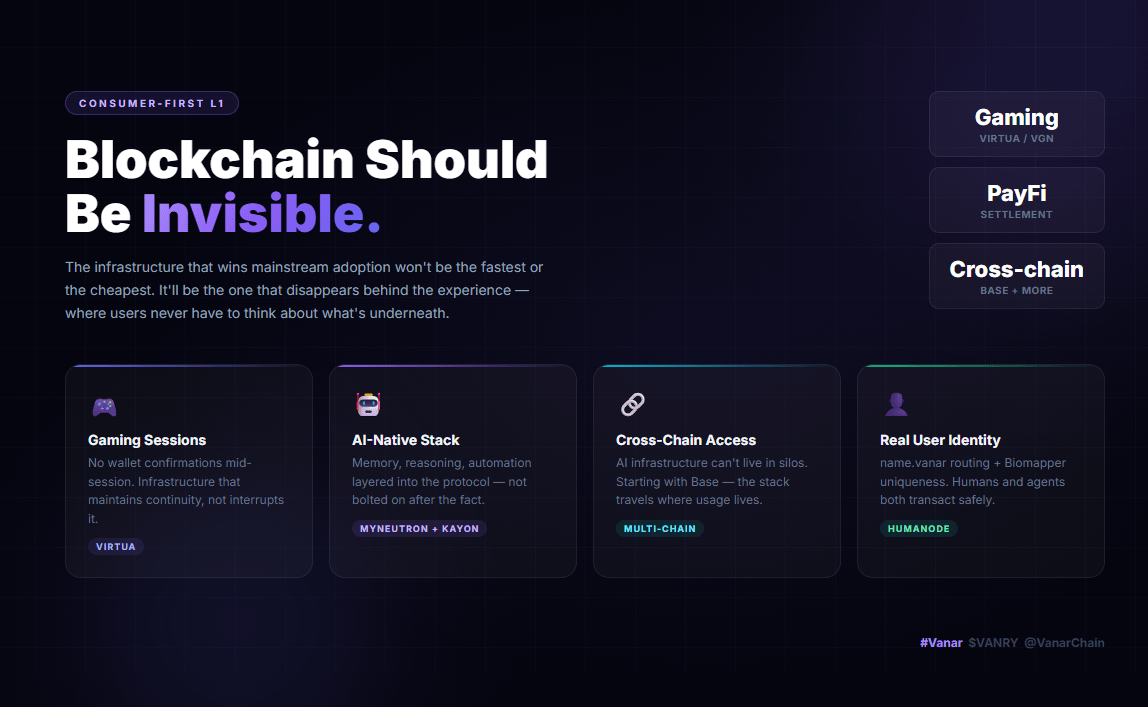
Not every AI-labeled Layer-1 survives. The ones that do treat intelligence as infrastructure rather than features. After studying Vanar's stack and using myNeutron directly, it's clear which side of that line they're building toward.
The chains reaching mainstream adoption won't post the highest TPS. They'll solve for trust, continuity, and invisible execution — unsexy infrastructure problems that determine whether someone returns tomorrow.
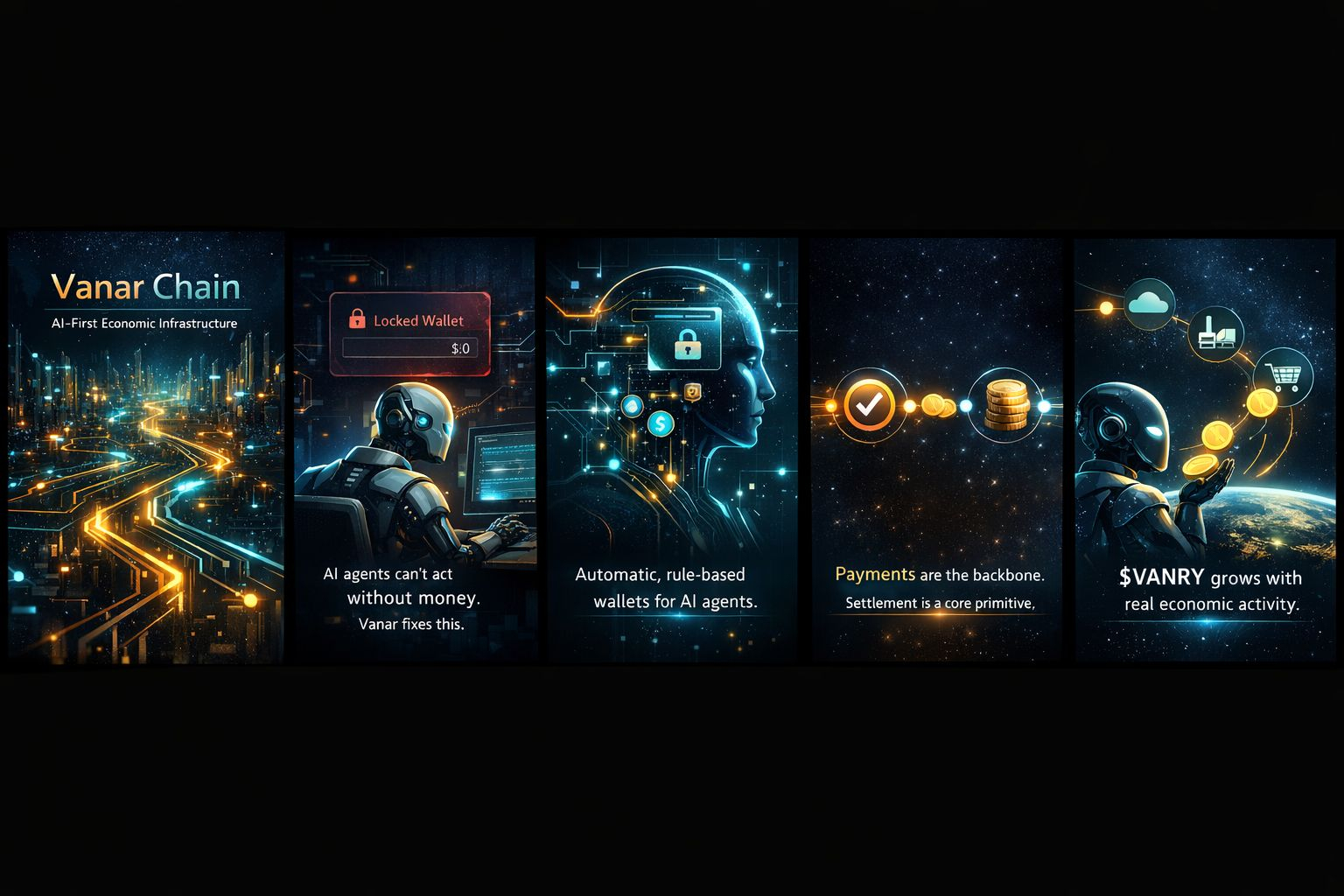
Vanar builds infrastructure where agents operate autonomously, memory persists natively, settlement executes predictably, and users never think about the stack underneath. That infrastructure bet is the credible one.
