
# Bitcoin (BTC): The Digital Gold Powering the Future of Finance
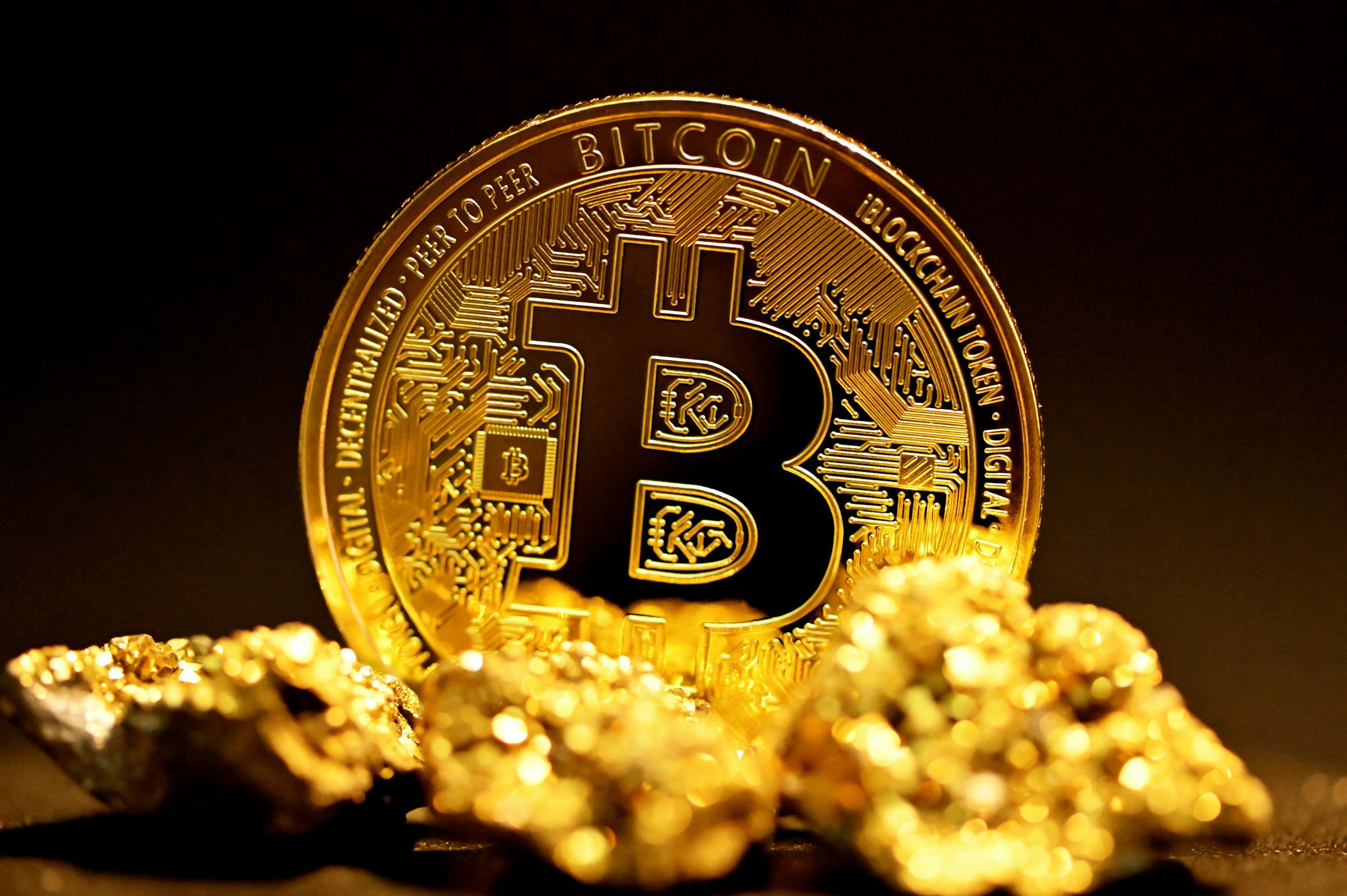
In the ever-evolving world of digital assets, one name continues to dominate conversations, portfolios, and headlines — **Bitcoin (BTC)**. From being dismissed as an internet experiment in 2009 to becoming a trillion-dollar asset class, Bitcoin has proven its resilience, security, and global appeal.
As the crypto market matures in 2026, Bitcoin remains the foundation of the decentralized economy and a key asset for both retail and institutional investors.
---
## The Origin of Digital Gold
Bitcoin was introduced in 2009 by the mysterious creator **Satoshi Nakamoto**. The vision was simple yet revolutionary: create a peer-to-peer electronic cash system that operates without banks, governments, or intermediaries.
Unlike traditional currencies, Bitcoin operates on a decentralized blockchain network. Every transaction is verified by thousands of nodes worldwide, ensuring transparency and security without central control.
---
## Why Bitcoin Still Leads the Market
Even with thousands of cryptocurrencies available today, Bitcoin continues to dominate for several key reasons:
### 1. Scarcity & Fixed Supply
Bitcoin has a maximum supply of 21 million coins. This limited supply creates digital scarcity, often drawing comparisons to gold.
### 2. Institutional Adoption
Major financial institutions, hedge funds, and publicly traded companies now hold BTC as part of their treasury reserves. Bitcoin ETFs and regulated products have further increased accessibility.
### 3. Store of Value Narrative
Bitcoin is often called “Digital Gold” because it serves as a hedge against inflation and currency devaluation in uncertain economic conditions.
### 4. Network Security
Bitcoin’s proof-of-work mining mechanism makes it one of the most secure blockchain networks in existence.
## Bitcoin in 2026: A Stronger Ecosystem
The Bitcoin ecosystem has evolved significantly:
* Faster transactions through the Lightning Network
* Increased global adoption
* Integration with payment platforms
* Growing acceptance in emerging markets
Layer-2 scaling solutions are improving speed and reducing transaction costs, making Bitcoin more practical for everyday use.
## Bitcoin vs Altcoins: The Dominance Factor
While altcoins bring innovation in DeFi, NFTs, and Web3, Bitcoin remains the market benchmark. When Bitcoin moves, the entire crypto market reacts. Its dominance percentage often signals broader market sentiment.
For long-term investors, BTC is often considered the “blue-chip” asset of crypto.
Risks to Consider
No investment is without risk. Bitcoin’s volatility can lead to rapid price swings. Regulatory developments, macroeconomic conditions, and technological shifts may also impact price movements.
Investors should always conduct their own research (DYOR) and manage risk responsibly.
Final Thoughts: Why Bitcoin Still Matters
Bitcoin is no longer just a cryptocurrency — it is a global financial phenomenon. Its decentralized nature, limited supply, and growing institutional trust make it a cornerstone of the crypto market.
Whether you are a long-term HODLer or an active trader, Bitcoin continues to offer opportunity, innovation, and financial freedom in the digital age.
As the crypto industry evol
ves, one thing remains clear:
Bitcoin isn’t just surviving — it’s leading.