
Most chains chase corporate clients by sanding off every rough edge, but Vanar took a stranger path and leaned into its arcade origins. Born from the Virtua Metaverse and the VGN Games Network, this isn't a project that pivoted away from fun; it learned from it. Those blistering sub-second confirmations and penny-cheap fees? They weren't cooked up in a whitepaper for Wall Street they were battle-tested by gamers snapping up virtual real estate and trading digital collectibles without ever feeling the blockchain grind beneath their thumbs. That "invisible plumbing" mindset, forged in the fire of entertainment, is now tackling PayFi's dirty secret: getting actual humans to use this stuff. While competitors wave modular architecture charts at CFOs, Vanar wagers that supply chain managers and treasury teams want the same frictionless magic teenagers get when they trade gaming skins no PhD required.
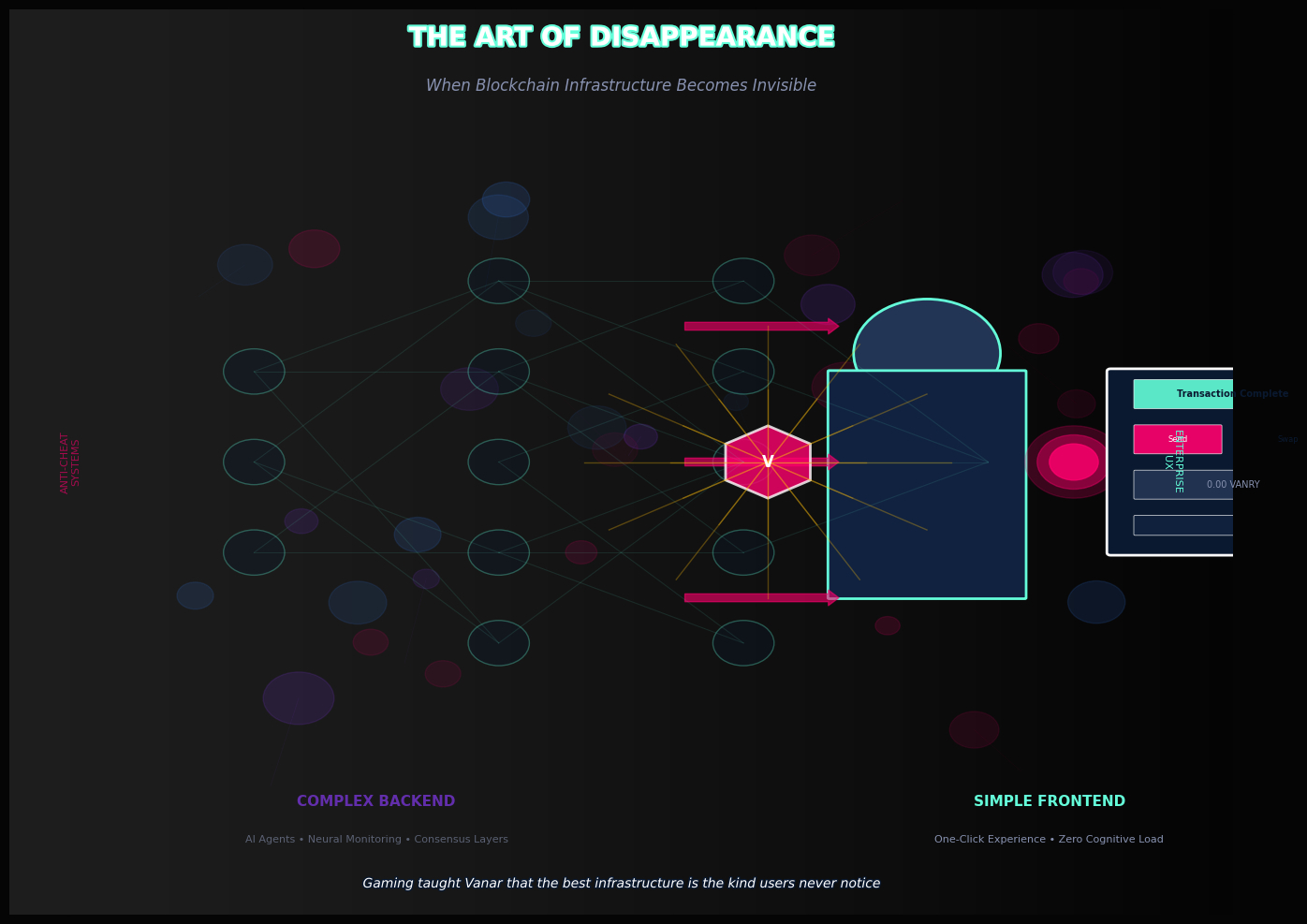
What's fascinating is how that gaming DNA mutated into something enterprise-grade. Vanar's built-in AI layer those real-time watchdogs and autonomous agents descended straight from anti-cheat algorithms and player-behavior sleuthing developed to keep virtual economies honest. The recent 50 million asset tokenization pushed with Investcorp and those Saudi government handshakes? Not a reinvention, just a bigger stage. Gaming taught Vanar the hard truth: infrastructure only wins when people stop noticing it. As real-world assets lumber onto the blockchain, that lesson feels almost prophetic. Corporations don't need another chain that technically handles complexity they need one that swallows it whole. Vanar's quiet superpower? Three years spent mastering the art of disappearance in the most impatient, unforgiving consumer lab on Earth: video games.
