


The Solana ecosystem has received a new serious performance upgrade, and traders are supposed to take note of that. The recent merger of Fogo and Firedancer is not merely another success of the technical list that can be added to the history of the company, but rather a radical change in how decentralized exchanges can be scaled.
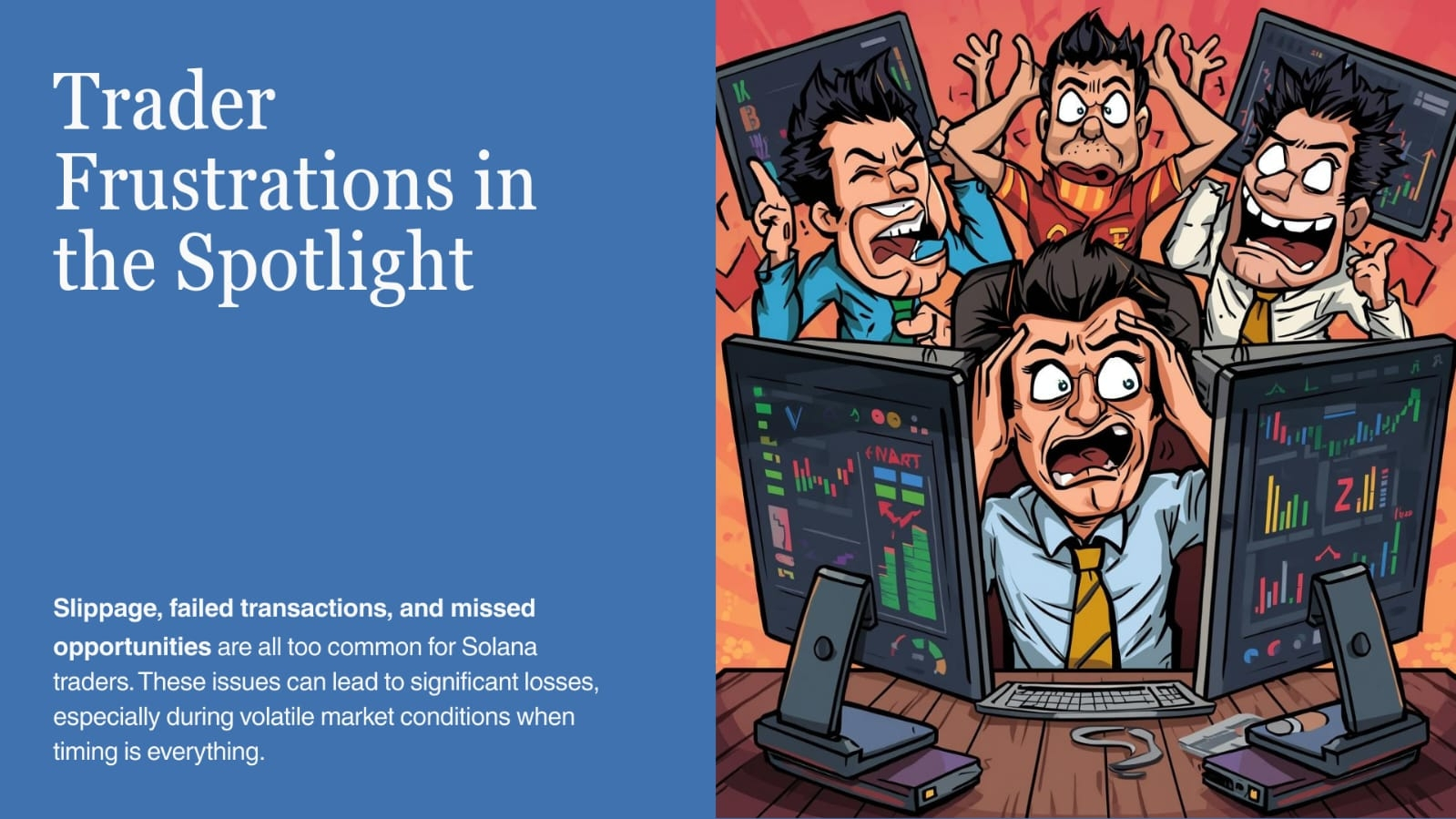
Those who have been trading on Solana DEXs are aware of the pain points, which include experiencing slippage during high volatility times, transactions not going through when you need them the most, and that dreadful feeling when your limit order does not fill because the network had a hiccup. The Firedancer integration by Fogo addresses these problems directly but to find out what it really means, one must go beyond the marketing talk.
The Real Work of Firedancer.
Jump Crypto has a ground-up rewrite of the Solana validator client called Firedancer. Imagine it was just a change of engine in a racing car but the chassis was retained. Solana Labs Solana Labs and Firedancer The figures speak it all: Firedancer has the potential of supporting more than 1 million transactions in a second under test conditions. Raw throughput is not the most important aspect of traders, however, it is consistency. Firedancer decisively decreases the fluctuation of block time and transaction confirmation speed which is directly equivalent to increased predictable trade execution.
Why This is of Importance to Your Trades.
Let's get practical. You are competing with thousands of other traders and bots armies when you are attempting to execute a swap in a DEX during a market-moving event. Every millisecond counts. Fogo can match orders and settle orders more quickly than platforms using the legacy validator infrastructure with the integration of Firedancer.
This speed advantage manifests itself in three real ways:
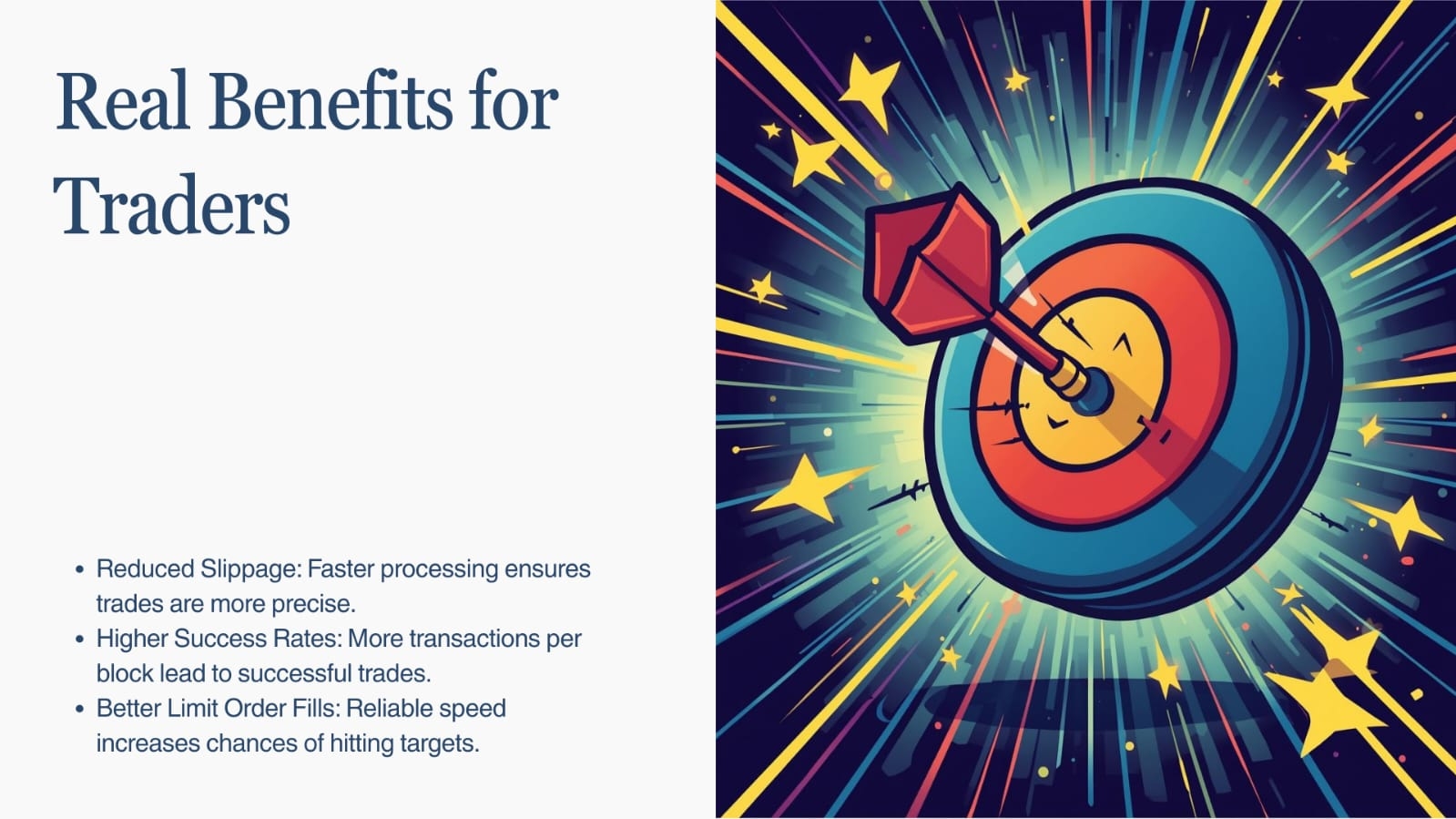
Reduced slippage. The speed of processing block will result in your orders arriving into the orderbook sooner and being filled at a price nearer to your desired price. The execution time variation of 50ms and 150ms in volatile markets can cost hundreds of dollars on a trade of moderate size.
Higher success rates. Each of us had experienced such failures in networks when they were congested. The efficiency of Firedancer implies that the number of transactions per block can be increased without forcing the gas cost up to the ceiling or resulting in timeouts. Your deals are just more apt to be made when you are in need of them.
Better limit order fills. To traders that use limit orders instead of market orders, time is of the essence. A more reliable and faster network will increase your chances of having your limit orders filled out at your target price before market conditions change.
The Infrastructure Edge
This is one of the points that are not mentioned as much: DEX performance does not only consist of the smart contracts. It means the whole layer, the validator client that has the transactions and the RPC nodes that are serving up the data to the frontend you are clicking on.
Combining Fogo with Firedancer implies that they are setting it on the solana ecosystem fastest basis. Although other platforms will later be forced to adapt Firedancer as the standard, the first mover creates a competitive edge. To traders, this is the type of advantage a separating profitable strategies and marginal strategies.
The lower computational cost also translates to lower operating costs of Fogo, which theoretically can offer more competitive fee structures. Whether these savings are passed to users or not is yet to be witnessed but the efficiency in infrastructure is a reality.
What This Doesn't Change
It is good to know what Firedancer does not resolve. It does not preclude impermanent loss when you are liquidating. It does not turn rotten trades into good ones. And it does not imply that Solana will never have problems with their network again, but it should make it less common and severe.
Neither does Firedancer alter the basic trust assumptions of using any DEX. You are still using smart contracts and still vulnerable to possible exploits, still in charge of your keys and security measures.
The adoption of Firedancer into the infrastructure of Fogo is involved in a larger maturation of the infrastructure of DeFi. We are beyond the will this even work. enter the scale phase of how can we make this work. phase.
To traders, especially those operating strategies that require regular implementation, like arbitrage, market making, or momentum trading, these infrastructure upgrades are at least as important as any new feature or token addition. Everything is based on speed and reliability.
The actual trial will be done in the next significant event in the market. In the moment that everybody crowds to the market at the same time, in the moment that the network starts to overload and other platforms begin to grind to a halt, then we will realize whether the benefits of Firedancer can be applied in practice or not.
In the meantime, the traders on Fogo can use what is, arguably, the most performant DEX infrastructure in the Solana ecosystem. The extent to which that advantage continues will be determined by the rate at which the competitors will equally embrace such enhancements and the manner in which Fogo will keep on maximizing on this platform.
Edges in trading are of short duration. The shrewd cash follows when the new ones appear.