

The day I stopped treating fixed fees like marketing
I have read so many chain docs that my brain automatically filters buzzwords
Fast
Cheap
Enterprise ready
Best developer experience
Most of the time it is not false it is just not useful Because when you are actually building you do not need a slogan You need two things Costs that do not randomly mutate and a workflow that does not fight you
That is where Vanar caught my attention not with fireworks but with something weirdly rare in crypto cost discipline
The pitch is simple fees are designed to stay near a fixed USD value so you can model unit economics before your app is even public Vanar documentation frames fixed fees around a target of about 0.0005 dollars for most transaction types
And honestly that small line changes the whole mood of a product meeting
I started with a boring spreadsheet question
Not How fast is it
Not How many TPS
Not When moon
My question was painfully unsexy If one user does one action what does that cost me reliably
Because I have been burned before
I have watched teams design a feature that is perfectly profitable at launch and then two months later the same feature becomes a liability because fees drift congestion hits or the token price runs
So I opened a fresh doc and wrote
If a user does 30 to 50 actions per day
and we hit 10k 50k 100k daily active users
what does that cost per day per month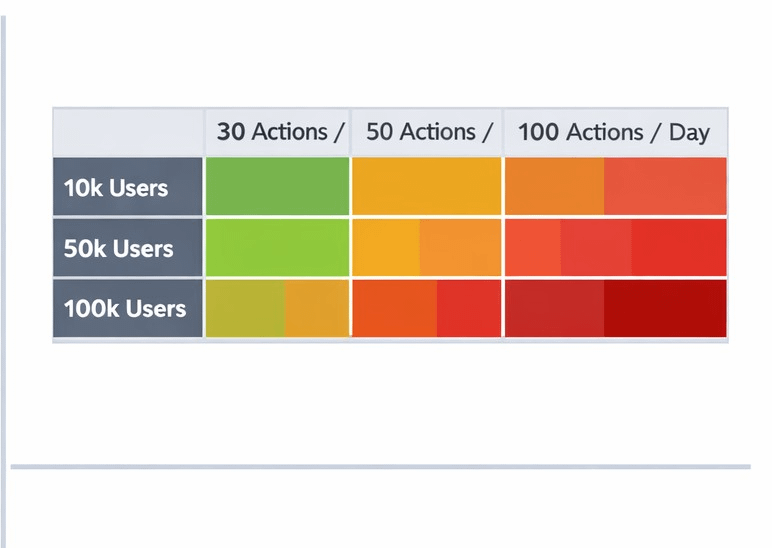
On most chains this turns into a range so wide it becomes meaningless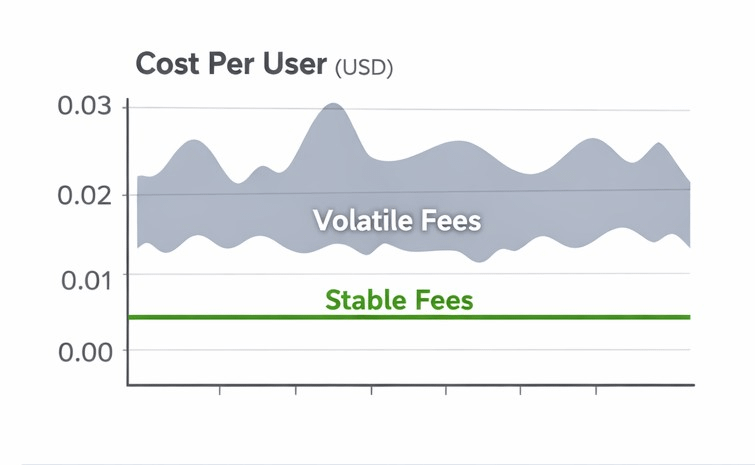
On Vanar the whole point is that it should not become a guessing game because fee value is meant to be stable in USD terms
Not cheap Predictable
And predictable costs are what let you stop arguing and start planning
Then I did the most human thing I tried to break it
I did not trust it right away I never do
I opened my laptop like okay show me
First I plugged in the network details because if a chain is serious it makes the first five minutes easy
Vanar publishes these clearly
Mainnet
RPC https //rpc vanarchain com
WebSocket wss //ws vanarchain com
Chain ID 2040
Vanguard Testnet
RPC https //rpc vanguard vanarchain com
WebSocket wss //ws vanguard vanarchain com
Chain ID 78600
Faucet https //faucet vanarchain com
That testnet chain id 78600 looks small but it is actually a huge detail for how you work
Because when you have a clean testnet plus faucet plus explorer you can run the cycle that real product teams live by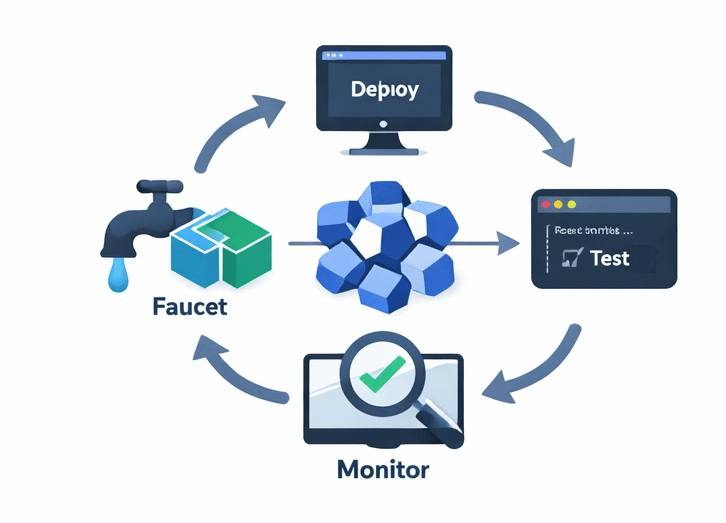
Ship then measure then iterate then ship again
Without drama
A real moment I was sitting there then my transaction did not show up fast enough
This is where the story gets real
I deployed something basic to Vanguard Nothing fancy Just a contract and a few functions I could spam without thinking
Then I called a function and stared at my screen waiting for the explorer to update
One second two seconds
That tiny pause triggered the old reflex Here we go again
Because anyone who has built on chain knows the feeling you are never sure if it is your code your RPC the network or the explorer indexing
But after a couple more calls it stabilized
And what I liked was not that it was perfect It is that the ecosystem pieces were there
Working RPC
Working WebSocket
Explorer
Faucet
Defined chain id
This is what people do not say out loud A chain can have brilliant tech but if the developer loop feels messy teams quietly leave
Vanar public endpoints and testnet plumbing make the work day feel more normal
The difference fixed fees make is not the number it is what the number lets you do
Here is the part that made it click for me
Fixed fees do not just save money They save decisions
Because when costs are unpredictable every feature discussion turns into anxiety
Can we afford frequent reward claims
Should we log this event onchain or offchain
Do we make users pay or do we subsidize
What if fees spike and the retention loop breaks
But when fees are designed around a stable USD target you can treat onchain actions like known unit costs
So you can design with confidence
Example one Micro actions for gaming or consumer experiences
I can afford to let users do small actions onchain repeatedly because the cost does not suddenly become 10 times
Example two Subsidized UX
I can cover user fees as a product decision not a gamble
Example three Enterprise flows
I can forecast budget for onchain usage before procurement even signs the paper
That is the enterprise connection predictability is operational comfort
A second human moment I kept a token price tab open while testing
Not because I was trading
Because if your system claims USD based predictability then price movement should not ruin the experience
Vanar docs mention using multiple pricing sources including exchange data and external data providers to support the USD anchored fixed fee behavior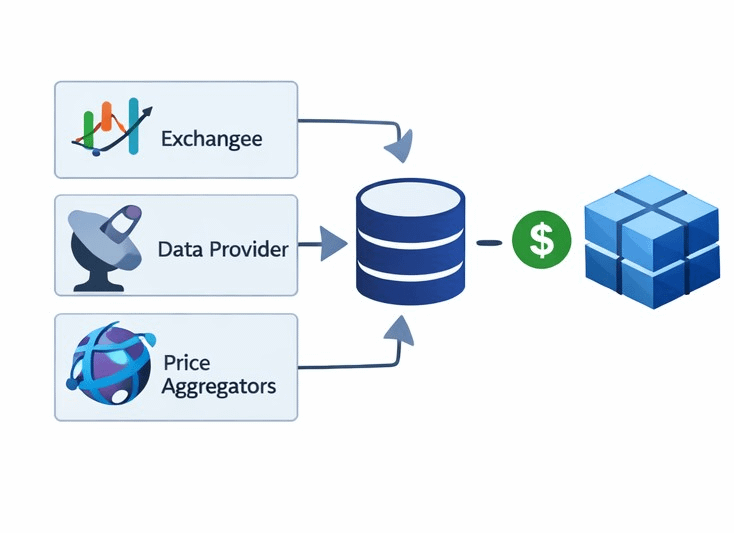
So I kept thinking like a paranoid builder
How often does it update
What is the fallback if one source is wrong
Can anyone manipulate a DEX price input
What does the chain do during volatility
I like when a system makes you ask those questions because it means it is attempting something real something operational not aesthetic
Why enterprises do not pick the fastest chain They pick the most boring one
I have sat in enough rooms with actual decision makers to know how it goes
Enterprises do not care about peak performance They care about stable cost models predictable behavior reliability under stress integration surfaces that do not shift every month and fewer surprises
That is why this whole cost discipline framing matters
Not because 0.0005 or 0.005 is a magic number
But because a fixed fee approach is basically saying We want your app to behave like a business not like a gamble
The honest takeaway
If you are building anything that needs scale gaming consumer experiences payments enterprise workflows your biggest enemy is not speed It is uncertainty
Vanar strongest signal is not hype It is discipline
Fixed fee intent
Public endpoints for builders
Vanguard testnet 78600 with faucet and explorer
That combination supports something rare predictable systems
And predictable systems are the ones teams can actually bet their products and reputations on
