
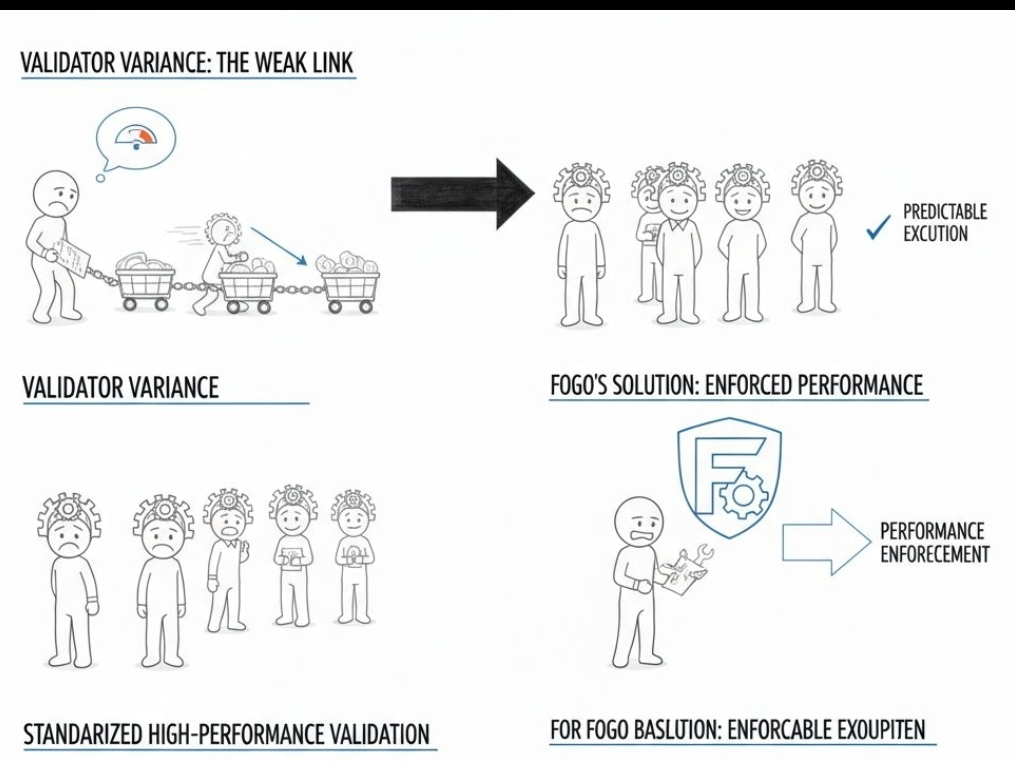
The more time I spend analyzing Layer-1s, the more I’ve learned to ignore the surface narrative.
“Fast.”
“Scalable.”
“Next-gen.”
Those words are everywhere.
When I looked into Fogo properly, what stood out wasn’t the speed claim. It was the specificity of the design.
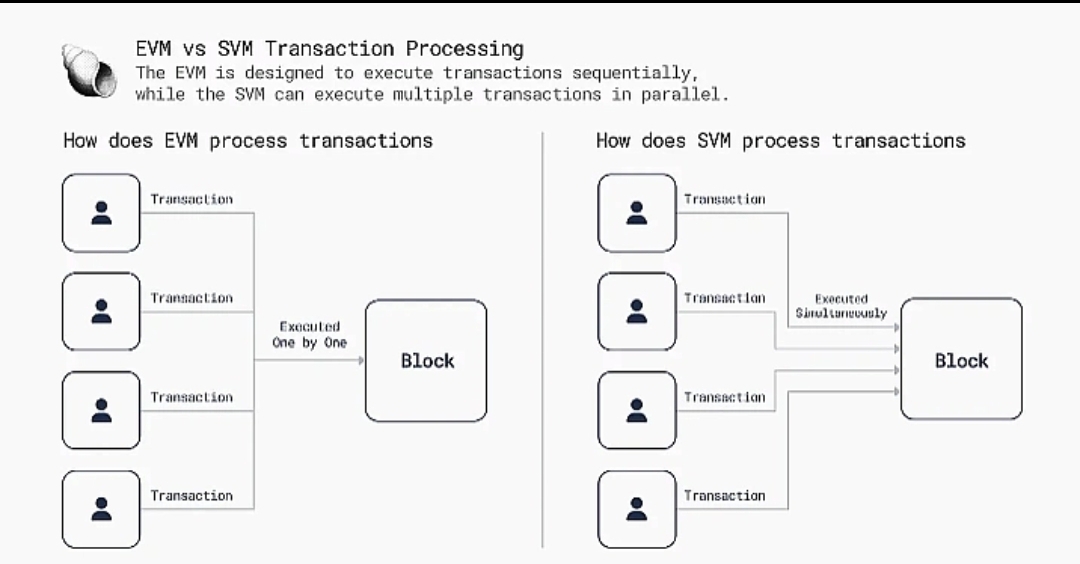
Fogo is a high-performance L1 built on the Solana Virtual Machine. That decision alone signals something practical. They aren’t trying to reinvent execution or fragment the developer landscape. SVM compatibility lowers friction. It keeps tooling familiar. It shortens the path from idea to deployment.
But execution is not the main story here.
Consensus is.
Most chains treat validator distribution as a philosophical checkbox. Spread globally, maximize dispersion, and then optimize around the coordination cost. The issue is that coordination across long distances introduces unavoidable latency. Messages have to travel. That delay becomes part of finality.
Fogo doesn’t design as if distance is irrelevant.
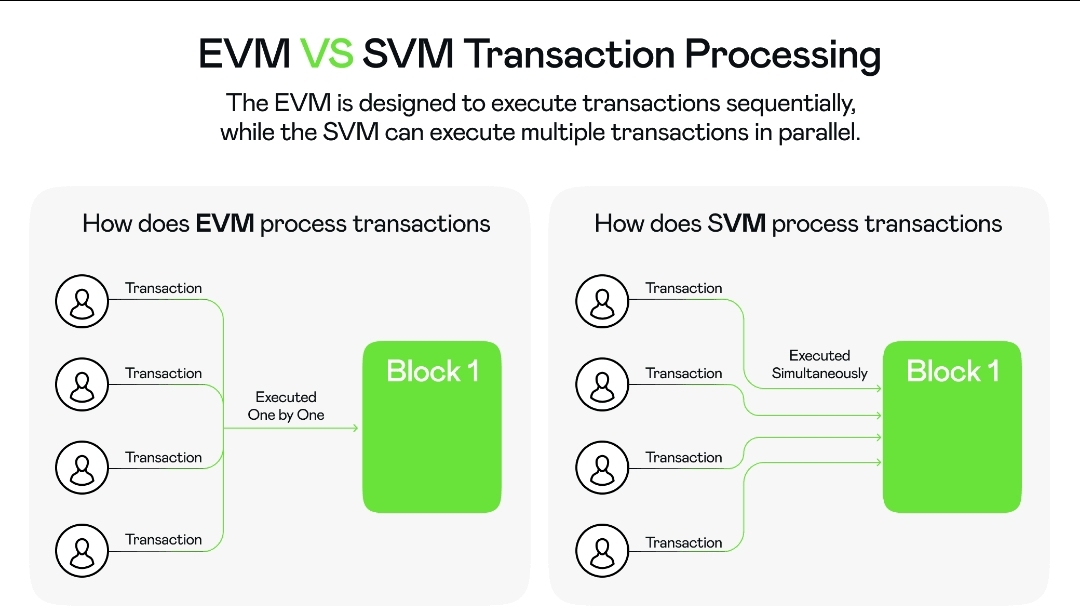
Its Multi-Local Consensus model narrows validator coordination into optimized zones rather than allowing wide dispersion to dictate timing. Validators are curated and aligned around performance infrastructure. Communication loops are tighter. Variance is reduced.
That is a conscious tradeoff.
It reduces maximal geographic spread.
It increases deterministic performance.
When I evaluate infrastructure, I ask: who is this actually built for?
Fogo doesn’t feel built for meme cycles or casual experimentation. It feels built for environments where milliseconds affect economic outcomes — derivatives, structured markets, latency-sensitive liquidity systems.
In those settings, unpredictability is risk.
Another detail that reinforces this positioning is operational independence from Solana’s main network. Running the Solana Virtual Machine does not mean inheriting Solana’s congestion. Fogo maintains separate validator dynamics and state. Developers get compatibility without shared bottlenecks.
That separation matters more than most people realize.
After reviewing enough chains, my framework has shifted. I no longer care about peak throughput numbers in isolation. I care about stability under load. I care about coordination design. I care about whether the architecture aligns with its intended market.
Fogo feels internally coherent. It’s not trying to be everything. It’s optimizing for a version of DeFi that behaves more like structured finance than speculative mania.
Whether that version becomes dominant is still open.
But from what I’ve seen, Fogo isn’t building for attention.
It’s building for performance discipline.