

@Binance Square Official #Binance #creatorpad
There was a sense last year that Binance CreatorPad genuinely opened the door for anyone willing to participate. Throughout 2025, campaigns rolled out consistently, offering substantial token pools that were distributed across a broad base of contributors. Projects such as DOLO, OPEN, HEMI, and others launched reward programs ranging from hundreds of thousands to over a million tokens. The structure was straightforward. Users created posts on Binance Square, followed project accounts, completed small trading requirements.
What made 2025 feel inclusive wasn’t just the size of the pools. It was the distribution model. While top leaderboard positions received larger allocations, a meaningful portion of rewards extended beyond just the top tier. If you were active and consistent, you typically earned something. The barrier to entry felt manageable. Competition existed, of course, but it wasn’t hyper-concentrated among a small elite group. Participation itself carried value.
I remember that period clearly. CreatorPad campaigns felt frequent. There was momentum. For traders and developers experimenting with content, it felt like a parallel income stream that rewarded effort. You didn’t need a massive following. If you produced reasonable content and completed the required tasks, you had a fair shot.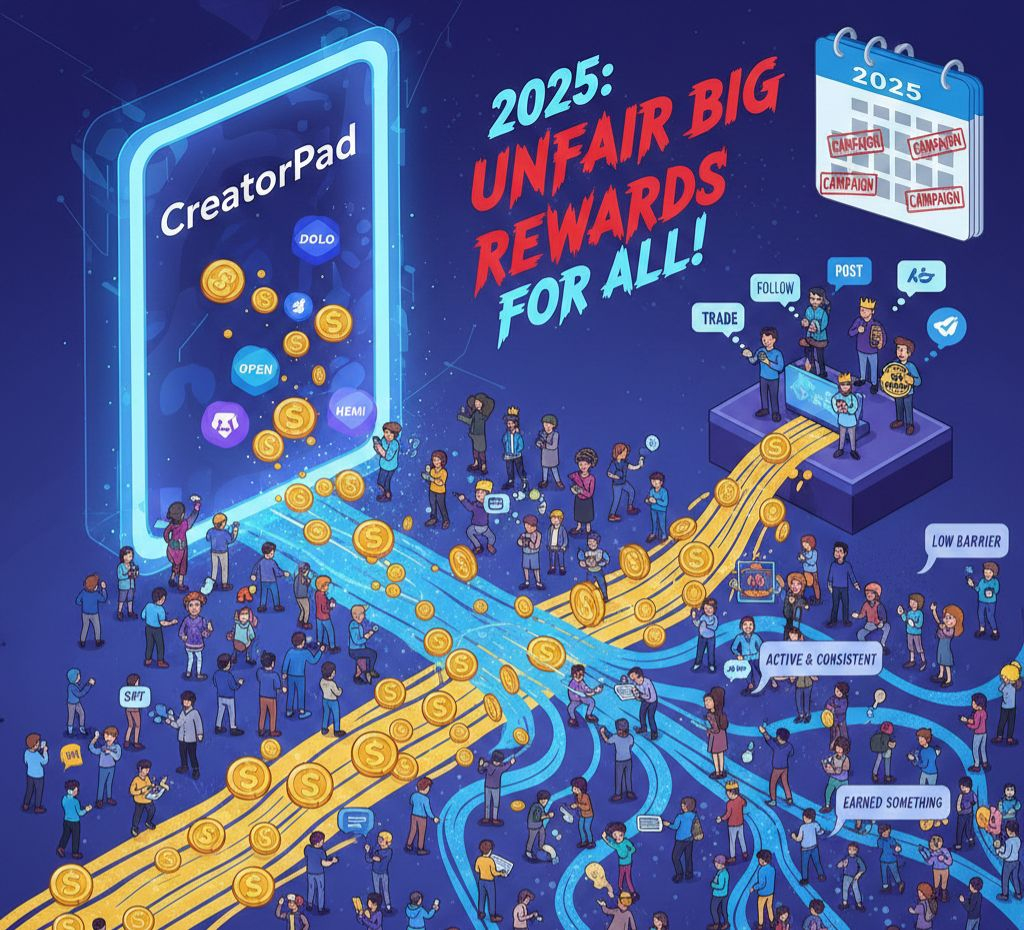
In 2026, however, the structure has noticeably evolved. Campaigns such as WAL and the large Plasma (XPL) initiative introduced significantly bigger headline numbers. A 3,500,000 XPL pool certainly grabs attention. On paper, it suggests expansion and growth. But alongside larger pools came a refined scoring system. Binance shifted toward prioritizing engagement quality meaning views, comments, shares, and interaction rates now heavily influence ranking. In simple terms, it’s no longer just about completing tasks; it’s about how much impact your content generates.
From a platform perspective, that makes sense. Rewarding meaningful engagement discourages spam and low-effort posts. It aligns incentives with real community growth. But practically, it changes who benefits. Accounts with established audiences naturally generate stronger engagement metrics. Their posts travel faster and farther. For newer or smaller creators, even if they complete every required task, competing against high-visibility accounts becomes significantly harder. The opportunity still exists but it’s more competitive.
The shift became even more visible with the Fogo campaign this year. Unlike many 2025 campaigns that distributed rewards across a wider pool of eligible participants, Fogo limited rewards strictly to the top 50 ranked creators. That’s a sharp contrast. When only 50 participants receive meaningful allocations, the structure inherently concentrates opportunity. Many creators have voiced that while the total pool is large, the number of winners feels too small. Ideally, campaigns would reward 300–500 people, giving a broader range of participants a fair share and making the system feel more inclusive, while still incentivizing top performers.
XPL this year provides a positive example of this approach. Its campaign distributed meaningful rewards to 500 participants, balancing competitiveness with inclusivity. It demonstrates that large pools don’t have to concentrate rewards in just a tiny top tier. This type of distribution ensures that mid-level creators and new participants can still benefit, while top performers maintain strong incentives. Looking forward, we need more campaigns designed like XPL — rewarding a broader 300–500 range of participants rather than only 50, so the platform continues to grow while keeping creators motivated.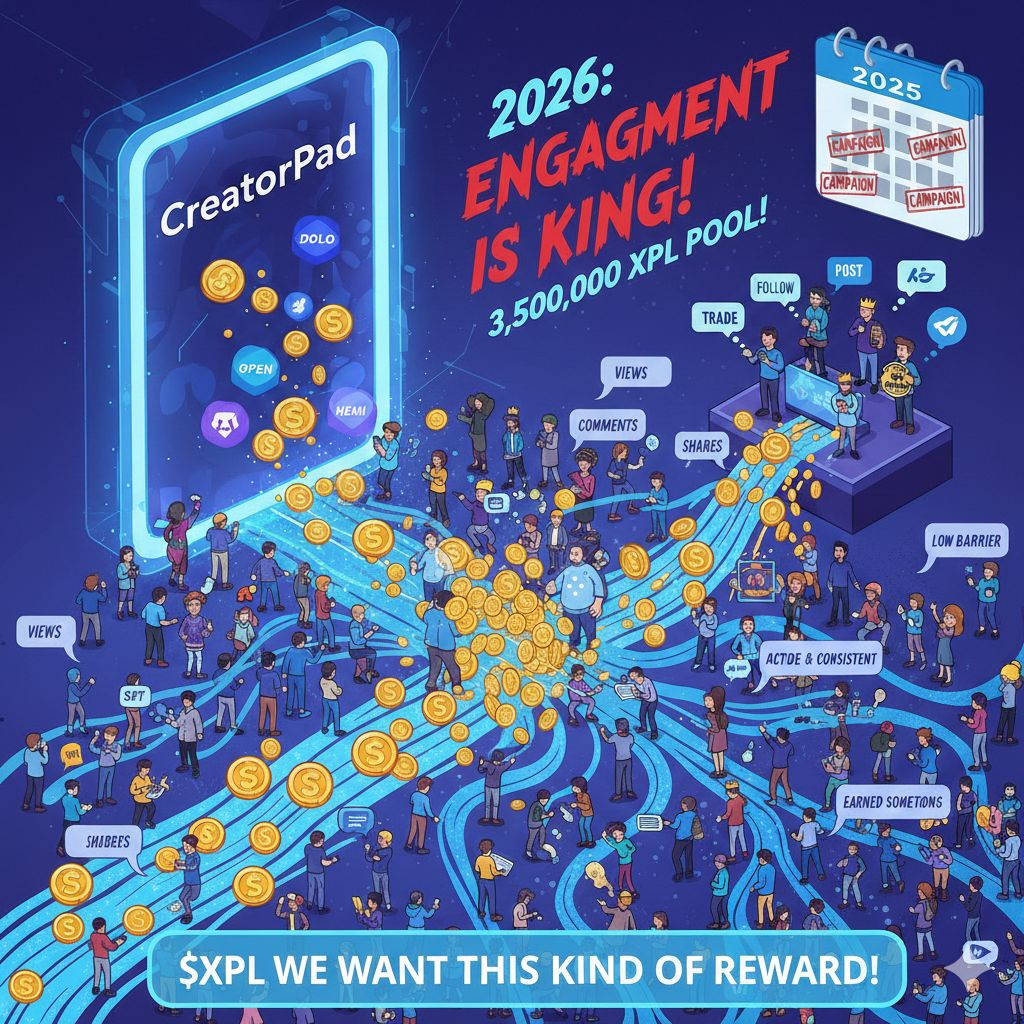
Fifty winners in a global ecosystem the size of Binance Square is a narrow funnel. Even highly active mid-tier creators may complete all tasks and still walk away empty-handed. It doesn’t necessarily mean the system is unfair, but it does mean accessibility has changed. In 2025, participation often translated into at least some level of reward. In 2026, ranking at the very top increasingly determines everything.
This is why the topic has been trending among CreatorPad participants. It’s not about whether reward pools are large or small. In fact, total token allocations this year are arguably larger than last year. The debate centers on distribution concentration. When campaigns distribute rewards broadly, the community feels included. When rewards concentrate among a small group like top 50 structure the environment feels more competitive and selective.
There has been technical progress. The updated scoring model better measures authentic engagement. It reduces repetitive or automated content farming. That’s a positive development from a system-design standpoint. For developers and long-term ecosystem builders, filtering for quality over quantity can strengthen platform credibility.
But from a trader’s perspective, incentives drive behavior. If the probability of earning drops significantly for mid-level participants, some will disengage. Opportunity perception matters almost as much as opportunity itself. Expanding meaningful rewards to 300–500 participants per campaign could strike a better balance, keeping incentives high for top performers while maintaining engagement across the broader creator community.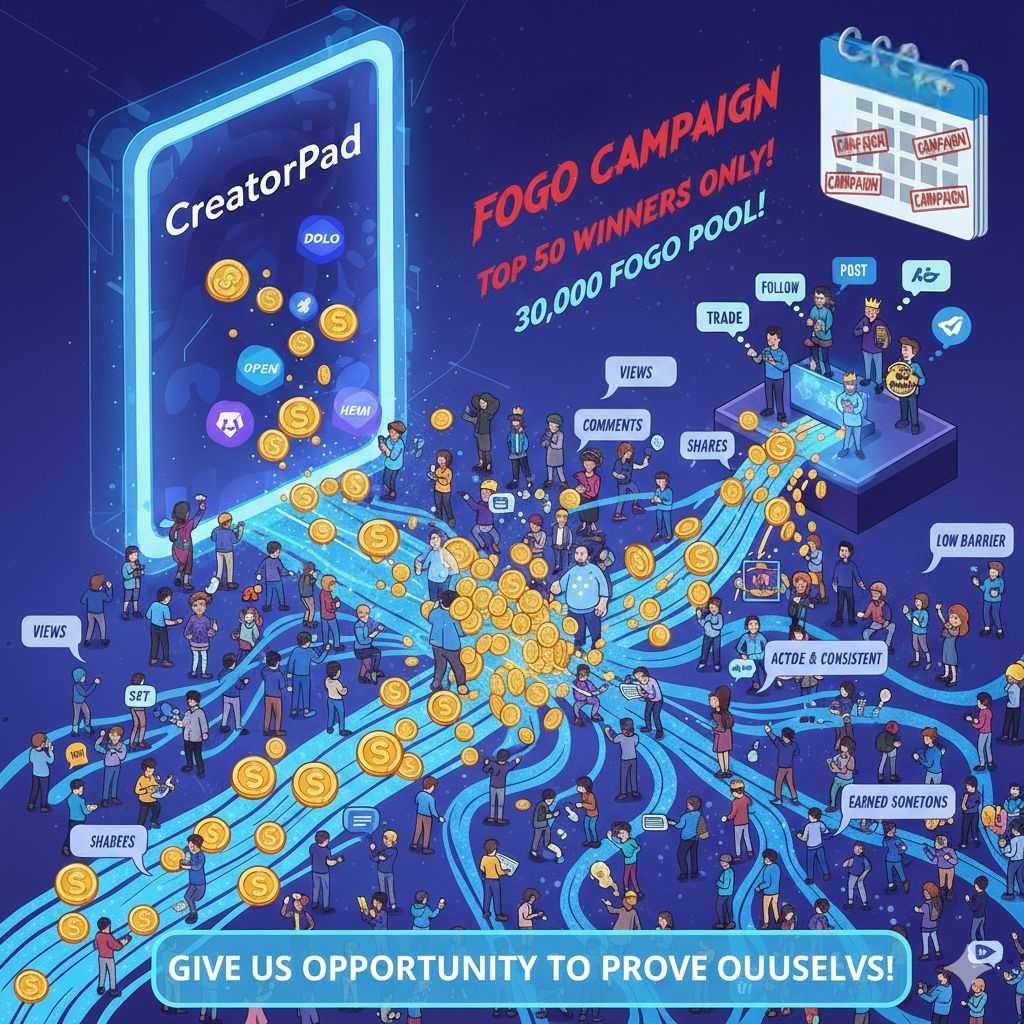
Personally, I see 2025 as a participation-driven phase. The platform was expanding, experimenting, and encouraging broad involvement. Rewards were generous and relatively accessible. In 2026, CreatorPad feels like it’s entering a performance-driven phase. Larger pools, sharper metrics, narrower reward funnels. Neither model is inherently wrong. They simply prioritize different values. One favors inclusivity and broad distribution. The other favors competitive ranking and measurable impact.
For creators navigating this shift, the strategy must adapt. Consistency alone is no longer enough. Content needs differentiation, audience building, and cross-platform traction. Engagement must be intentional. Looking back, 2025 felt inclusive because participation itself carried weight. In 2026, especially with campaigns like Fogo limiting rewards to just 50 participants, CreatorPad feels undeniably more competitive. The opportunity hasn’t disappeared but it has become selective. Future campaigns, following the XPL model of rewarding 500 people, could help balance competitiveness with inclusivity, encouraging more creators to stay active while maintaining high standards for top contributors.