
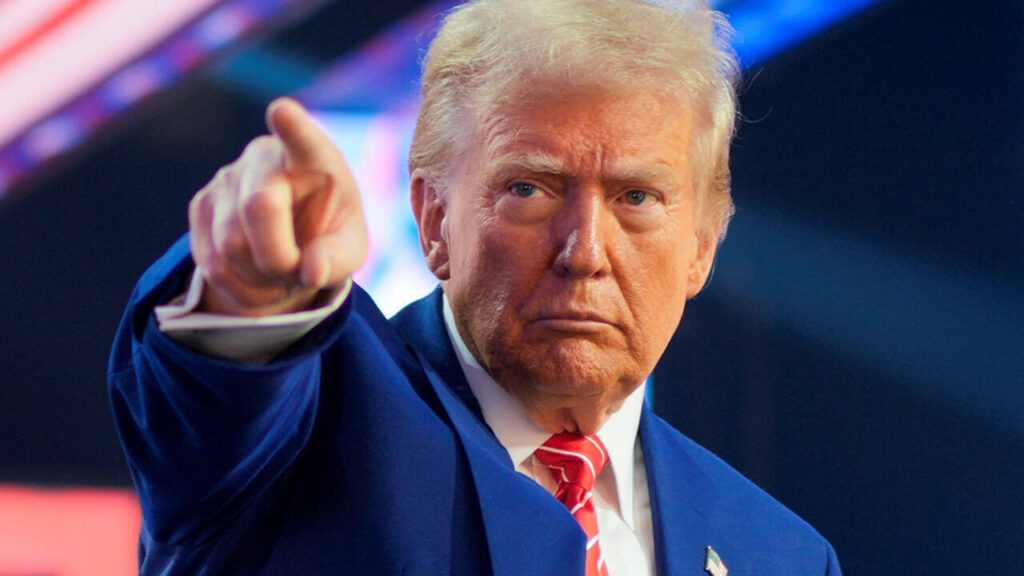
 U.S. President Donald Trump has announced an immediate increase in tariffs, lifting the global rate from 10% to 15%. Officials have also signaled that further trade measures could be introduced in the coming months, adding another layer of uncertainty to the global economic outlook.
Higher tariffs typically raise the cost of imported goods, putting pressure on international supply chains and countries that rely heavily on global trade. Economists warn that such measures can contribute to rising inflation expectations while also increasing geopolitical and trade tensions.
Historically, protection-focused trade policies have been associated with slower global growth, elevated market uncertainty, and heightened volatility across equity and currency markets.
In the digital asset space, some analysts believe macroeconomic friction may strengthen the narrative around decentralized assets like Bitcoin as alternative stores of value. When fiat currencies face purchasing power pressure and cross-border trade becomes more restrictive, investors often explore neutral, non-sovereign assets as potential hedges.
Despite significant macro headlines, crypto markets have recently shown relatively subdued volatility — a development that some view as a possible sign of gradual structural decoupling from traditional financial markets.$BTC
#TrumpNewTariffs #TokenizedRealEstate #BTCMiningDifficultyIncrease #WhenWillCLARITYActPass #Binance