

Something strange happens when you look at who actually shows up to play blockchain games. The demographics are almost perfectly inverted from what successful traditional games achieve. Where traditional hits attract passionate players who love the game itself, blockchain games consistently attract people who don’t care about the game at all.
This isn’t a minor problem that better game design might fix. It’s a fundamental issue revealing that blockchain gaming appeals to the wrong audience for the wrong reasons. Understanding who plays blockchain games and why explains more about the sector’s struggles than any amount of technical analysis.
Let me show you what the actual player data reveals about blockchain gaming audiences.
Launch day for a blockchain game brings massive numbers. Tens of thousands of wallet connections. High transaction volumes. Impressive on-chain activity. Every metric looks great. The team celebrates successful launch. Investors are pleased. Everyone thinks they’ve built something people want.
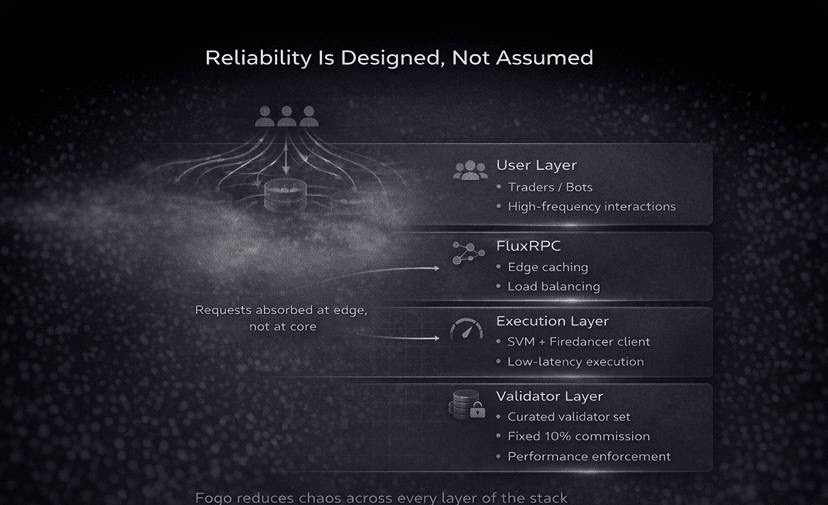
Then you dig into who these players actually are and the story changes completely.
The largest cohort is yield farmers rotating between games based purely on token incentives. They’re not evaluating gameplay quality. They’re calculating expected returns from play-to-earn mechanics, airdrop farming, early adopter rewards, or token appreciation. When a new game launches with attractive economics, they flood in. When returns diminish or better opportunities appear elsewhere, they flood out just as quickly.
These players will endure terrible gameplay for good economics. They’ll abandon excellent gameplay for mediocre economics. Game quality is basically irrelevant to their participation decisions. They’re treating games like yield farming protocols that happen to have graphics.
This creates catastrophically misleading early signals. Studios see thousands of active players and think they’ve achieved product-market fit. Actually they’ve achieved token-market fit with mercenaries who’ll leave the moment economics change. The game could be brilliant or terrible and these players wouldn’t notice the difference.
Next significant group is bot operators and multi-accounting farms. These aren’t individual players at all. They’re operations running dozens or hundreds of accounts simultaneously to extract maximum value from play-to-earn systems. They optimize every action for efficiency. They script repetitive tasks. They’re industrial-scale extraction operations dressed up as players.
Studios initially struggle to distinguish these operations from legitimate players. The accounts perform actions, generate transactions, create on-chain activity. Only when you analyze behavior patterns does the automation become obvious. Real players have irregular patterns with varied timing and decision-making. Bot farms have mechanically consistent patterns optimized for throughput.
When studios crack down on bots, they often discover that a huge percentage of their “playerbase” disappears. That 100,000 active addresses might actually be 5,000 real humans and 95,000 bot accounts. The impressive metrics were fabricated by automation rather than genuine engagement.
Then there’s the NFT speculator contingent who aren’t playing at all. They’re analyzing markets, identifying mispriced assets, executing trades, and moving capital between opportunities. The game is just infrastructure enabling financial activity they care about. Most never install the game client. They interact purely with smart contracts and marketplaces.
These speculators can create impressive secondary market volumes. Millions in trading activity suggests healthy economy with engaged players. Actually it suggests active speculation that might evaporate when markets dry up or attention shifts to newer opportunities. The volume is financial activity not player engagement.
Studios sometimes convince themselves these speculators are good for the ecosystem because they provide liquidity and price discovery. This is self-deception. Speculators extract value rather than creating it. They’re not building community or creating content or helping the game succeed. They’re treating game assets like penny stocks.
There’s usually a small group of actual gamers who showed up hoping for good game that happens to use blockchain. These are the players studios should want to attract and retain. They care about gameplay quality, enjoy the mechanics, engage with content, form social connections, create community value.
This group is consistently the smallest cohort in blockchain games. They’re outnumbered ten to one or worse by yield farmers, bots, and speculators. They’re trying to enjoy a game while surrounded by people who don’t care about the game at all. The experience drives them away quickly.
Imagine trying to enjoy a multiplayer game where 90% of other “players” are actually bots farming resources, mercenaries optimizing for earnings, or speculators analyzing market data. The social experience that makes multiplayer games great doesn’t exist when most participants aren’t actually playing.
These real gamers leave and tell their friends the game is full of farmers and bots. The negative word-of-mouth spreads through gaming communities. The game becomes known as a farming operation rather than entertainment. This reputation is nearly impossible to overcome because it’s accurate.
What’s particularly damaging is how these player populations interact with each other in destructive ways. The farmers optimize economic systems in ways that make casual play unrewarding. The speculators manipulate markets making normal players feel exploited. The bots flood content making progression feel meaningless. Every group makes the experience worse for actual gamers.
Studios try to solve this through various mechanisms but most approaches fail because they’re addressing symptoms not causes. Anti-bot measures catch some automation but sophisticated operators adapt. Economic adjustments to discourage farming just make the game less attractive to everyone. Marketplace restrictions to limit speculation reduce liquidity.
The fundamental problem is that blockchain gaming attracts people primarily interested in economic opportunity rather than entertainment. This is working exactly as designed given how blockchain games market themselves. They emphasize ownership and earning and financial benefits. Of course they attract financially motivated participants.
Traditional successful games attract players motivated by entertainment, social connection, achievement, creativity, competition. These intrinsic motivations create passionate communities that sustain games long-term. Financial motivation creates mercenary participation that evaporates when economics change.
Studios that successfully attract real gaming audiences are the ones that deemphasize blockchain and focus on making great games. They market gameplay not economics. They hide blockchain complexity rather than featuring it. They treat ownership as nice-to-have feature rather than core value proposition. This attracts people who want to play games rather than people who want to farm yields.
Fogo enables both approaches equally but only the games-first strategy seems to attract sustainable player communities that resemble successful traditional games. The blockchain-first approach consistently attracts mercenaries, speculators, and farmers regardless of how good the underlying game might be.
This creates strategic dilemma for studios. Marketing blockchain features attracts wrong audience. Hiding blockchain features raises the question of why use blockchain at all. There’s no obvious resolution to this tension that lets studios benefit from blockchain while avoiding the audience problems it creates.
Some studios target the crypto audience deliberately and build games specifically for yield farmers and speculators. This is honest and might be viable serving that niche. But it’s admitting you’re not building games for gamers. You’re building financial products with game interfaces for people who want economic activity not entertainment.
Other studios try to attract both audiences simultaneously and end up satisfying neither. The crypto crowd thinks the game isn’t economically attractive enough. The gaming crowd thinks the crypto elements are intrusive and annoying. The hybrid approach produces mediocre results with both demographics.
The cleanest strategy is building games primarily for gamers that happen to use blockchain where it genuinely improves experience. This attracts gaming audiences and avoids the mercenary problem. But it requires discipline to resist featuring blockchain in marketing when that’s what gets attention in crypto circles.
Data shows unambiguously that the demographic composition predicts long-term success better than any technical metric. Games with player bases resembling traditional games tend to survive. Games dominated by farmers and speculators tend to spike early then collapse when economics deteriorate.
Studios that understand this prioritize attracting and retaining real gamers over vanity metrics from mercenary participation. This means accepting lower initial numbers and slower growth in exchange for sustainable communities that stick around because they enjoy the game not because they’re extracting value.
The difficult truth for blockchain gaming is that the technology attracts exactly the wrong people for building successful games. The financial aspects that make blockchain interesting to crypto people make games unattractive as entertainment to traditional gamers. This tension might be unsolvable within the blockchain gaming framework as currently understood.
Better infrastructure doesn’t fix this audience problem. Fogo can provide perfect technology and games still attract mercenaries if they market blockchain benefits. The solution if one exists probably involves making blockchain so invisible that games don’t market it at all and players barely realize it’s there.
This contradicts how blockchain gaming has developed with blockchain as central marketing message and core value proposition. Moving to invisible blockchain means giving up the positioning that attracts funding and attention. But it might be necessary for attracting audiences that sustain games long-term.
Whether blockchain gaming can make this transition or whether it remains trapped serving mercenary audiences that prevent mainstream gaming success is the critical question determining the technology’s future in gaming. The player data suggests the current approach isn’t working regardless of how good the technology becomes.