

The White House says Donald Trump wants to eliminate taxes on Bitcoin and crypto transactions — including gains, payments, and swaps.
Not reduce. Not delay. Eliminate.
Let that land for a second.
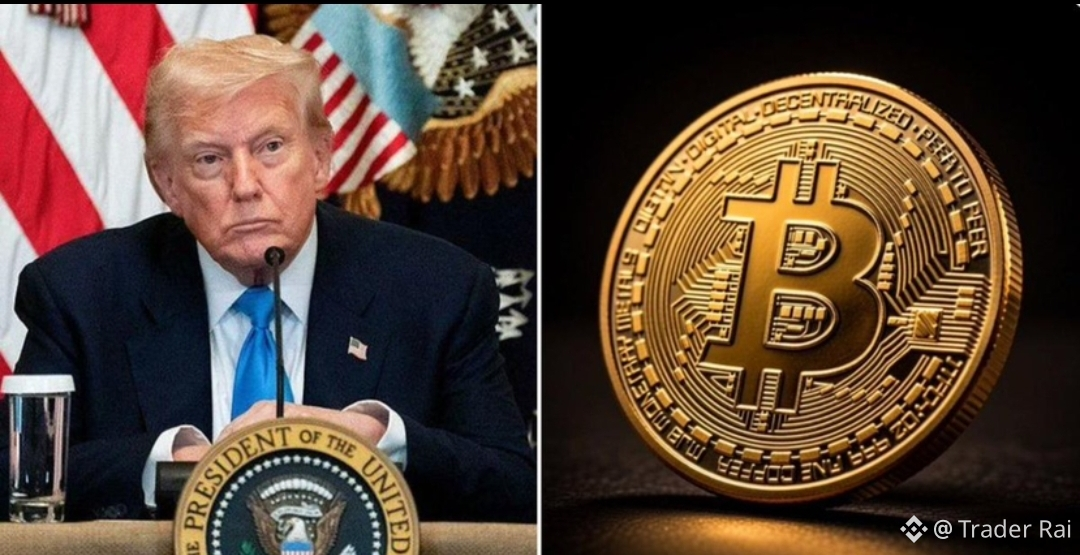
This isn’t a minor policy tweak or a friendly soundbite aimed at headlines. This is a strategic signal about how crypto is being reframed at the highest level of U.S. politics. When a sitting administration floats the idea of zero tax friction on crypto activity, it’s no longer talking to hobbyists or niche investors — it’s speaking to an economic constituency.
Why this matters far beyond price action
Taxation defines legitimacy. For years, crypto has been treated like a speculative asset that needed to be monitored, constrained, and sometimes discouraged. Removing taxes on gains, payments, and swaps flips that posture entirely. It implies something much bigger: crypto as functional money, not just an investment vehicle.
No tax on payments means real-world usability.
No tax on swaps means on-chain efficiency.
No tax on gains removes friction for long-term capital formation.
That combination isn’t accidental. It’s how you design a system you want people and businesses to actually use.
“But Congress has to approve it” — and that’s missing the point
Whether Congress agrees today, tomorrow, or never is almost secondary. Markets don’t just react to laws — they react to direction. Policy intent shapes capital flows long before legislation is finalized.
The message being sent is clear:
Crypto is no longer framed as a threat to the system.
It’s being positioned as part of the system.
That alone changes how institutions, builders, and international players assess long-term risk.
A political reality most people are underestimating
Crypto users vote.
Crypto builders hire.
Crypto companies move capital across borders fast.
Ignoring that bloc is no longer politically rational. Treating crypto favorably isn’t just an economic stance — it’s an electoral one. This is what recognition looks like before formal adoption.
The bigger takeaway
This isn’t about one proposal or one administration. It’s about a shift in tone that doesn’t easily reverse. Once crypto is discussed in the same breath as money, productivity, and national competitiveness, the old “enemy of the state” narrative quietly dies.
You don’t light a signal flare like this unless you’re ready to change the relationship.
Crypto isn’t asking for permission anymore.
It’s being negotiated with. 🔥