

Web3 gets hyped up as this next-level internet all the time, but honestly most people don’t even notice one big thing that’s still kinda half-baked: decentralized storage for data. Yeah blockchains nailed moving value around and running smart contracts without middlemen, but a ton of the actual data those apps need? Still sitting on regular centralized servers like it’s 2015. That’s exactly why @Walrus 🦭/acc feels worth talking about—they’re zeroed in on fixing that gap.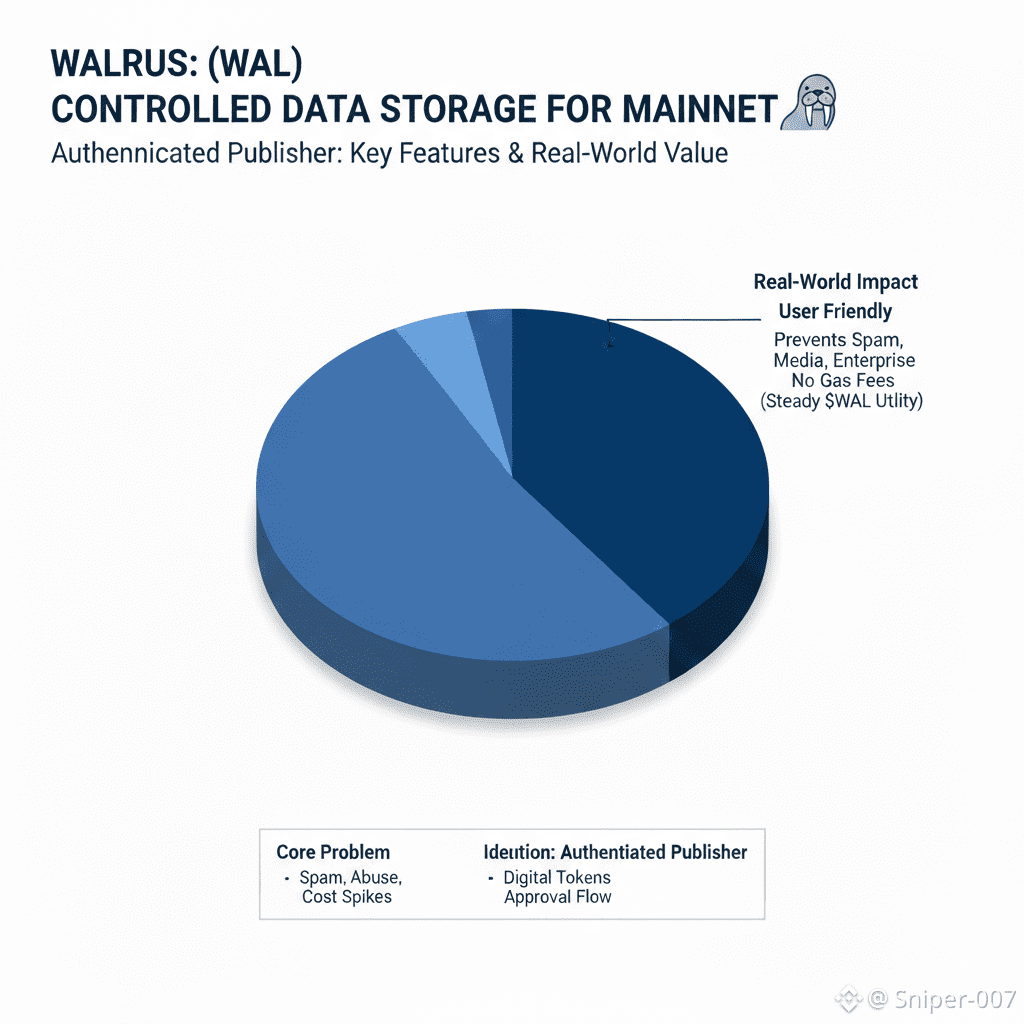
Walrus is putting together this decentralized layer for data that’s actually scalable, stays secure, and keeps everything available when you need it. The more complicated dApps get, the more data they chew through—stuff that has to stay online, provable nobody messed with it, and impossible for someone to just delete or block. Old-school ways of storing data just can’t keep up without sneaking back in central points of control. Walrus is trying to do it the Web3 way for real, no compromises.
What stands out to me is how Walrus isn’t running after the latest trend or viral nonsense. They’re straight infrastructure people—building something devs and whole networks can actually depend on long-term. Rollups need solid data underneath, DeFi can’t function without reliable history, NFTs die without persistent metadata, and whatever crazy on-chain stuff comes next is gonna need the same. Skip a good decentralized storage solution like this and your “decentralized” app is still half centralized when it counts.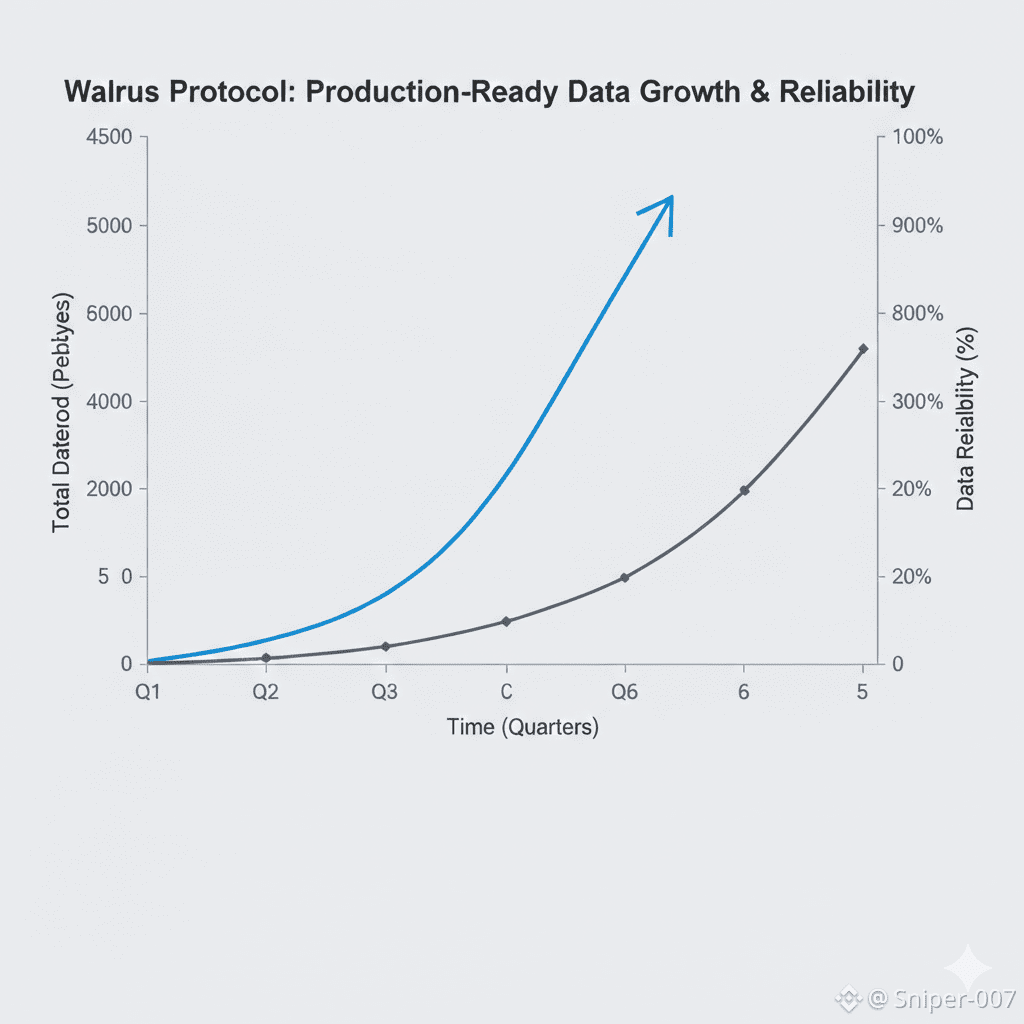
$WAL is the token that makes the whole network tick—ties together the incentives so providers keep storing, users pay fair, and it all stays sustainable. As more folks actually start using Web3 for real things, the need for this kinda storage is just gonna keep climbing. Walrus is sliding into place nice and quiet at the base layer where it matters most. If you’re tired of the hype cycles and wanna look at what might actually stick around and become essential, #walrus is one to actually pay attention to.