
Web3 has proven that decentralized systems can work. The harder challenge now is making them usable for people who do not care about block times or consensus models. They care about how things feel. Whether an application responds instantly. Whether an experience flows without friction.
This is where Vanar Chain finds its purpose.
Vanar is designed around performance-heavy environments such as gaming, immersive media, and AI-driven applications. These spaces do not tolerate delays or complexity. Vanar approaches blockchain as infrastructure that should disappear into the background while experiences take center stage.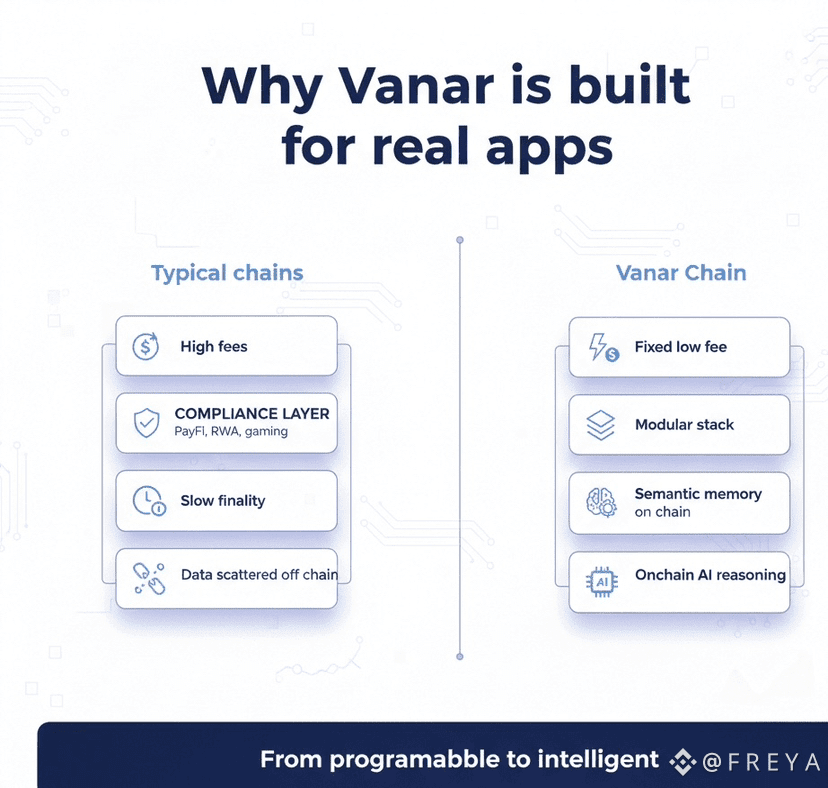
Instead of forcing creators to adapt to blockchain limitations, Vanar focuses on scalability and efficiency so applications can behave like users expect. This makes it easier for creators to build interactive worlds without sacrificing usability.
I’m seeing Vanar as part of a broader shift in Web3 thinking. Away from ideology and toward integration. Adoption does not come from novelty. It comes from systems that fit naturally into existing workflows. Vanar aligns with that reality.
As Web3 expands beyond finance, chains built around experience rather than abstraction will matter more. Vanar Chain is positioning itself for that future, where blockchain supports creativity instead of interrupting it.
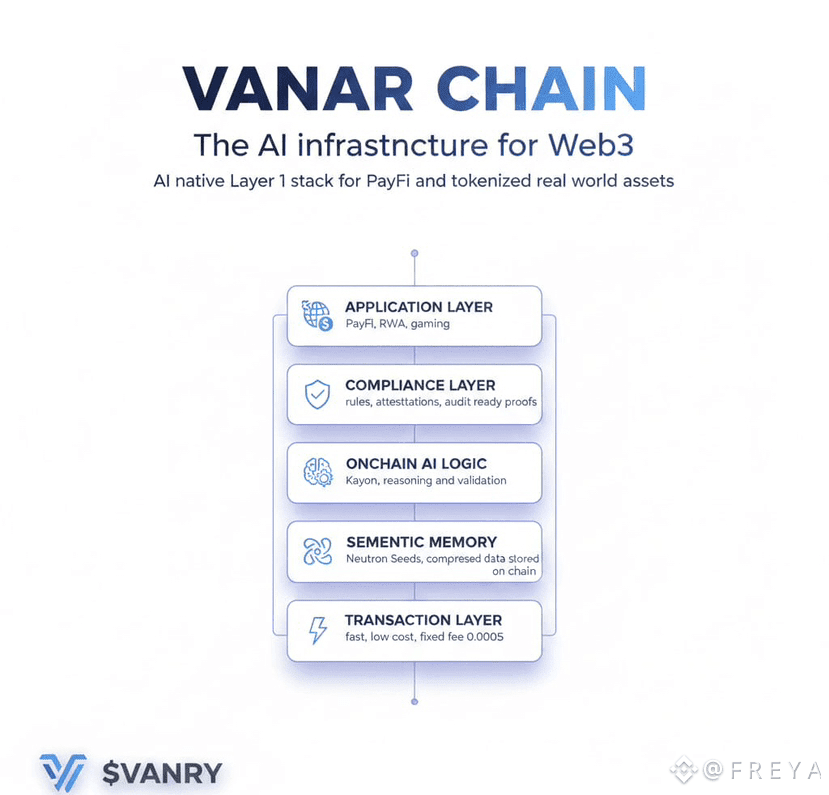
Sometimes the best infrastructure is the kind users never notice.