


One of the hardest problems in decentralized systems is enforcement. Anyone can make promises, but without enforcement, those promises are meaningless. Storage commitments are a perfect example. A node can agree to store data, but what ensures it continues to do so months or years later?
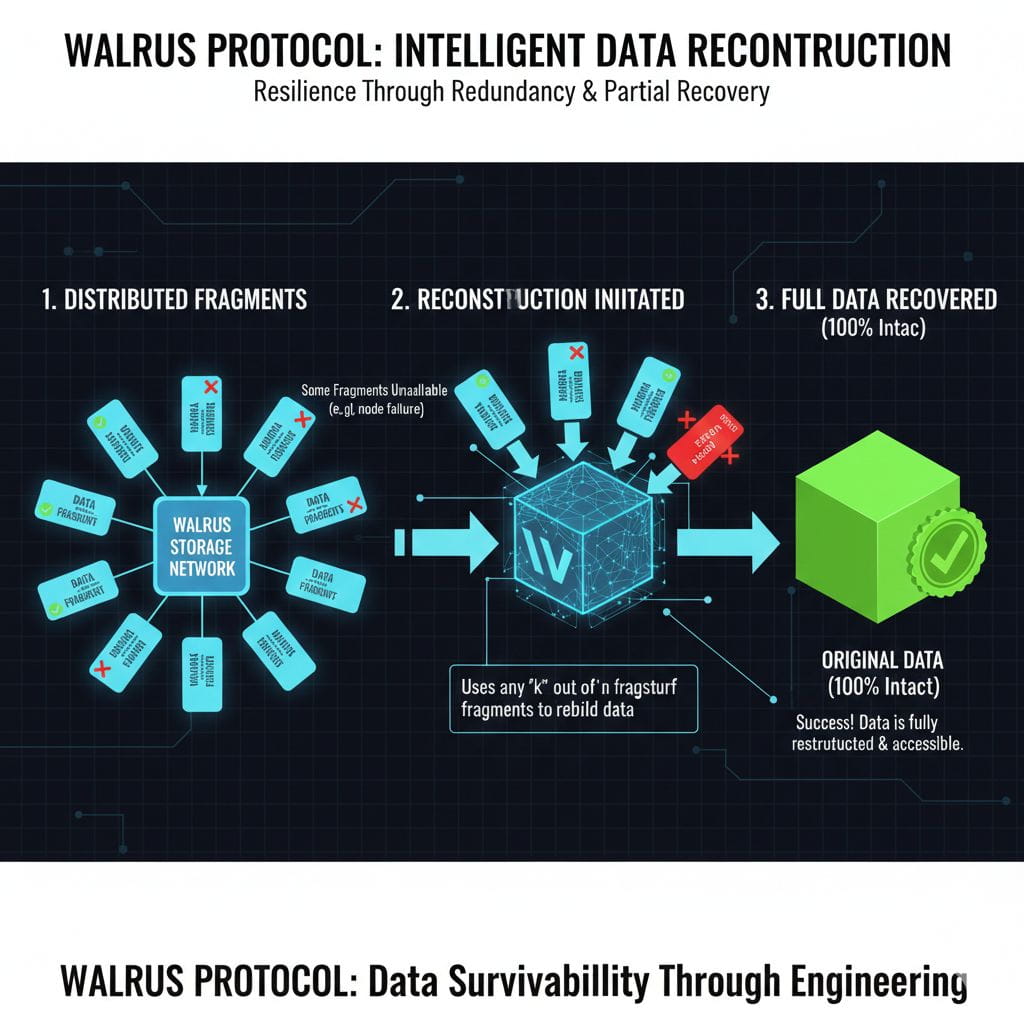
Walrus addresses this challenge by transforming storage commitments into enforceable guarantees. This is achieved through a combination of cryptographic proofs, economic incentives, and protocol-level accountability. Storage is no longer based on goodwill or reputation — it is governed by rules that are objectively verifiable.
At the heart of this system is the idea that commitments must be provable. When a node agrees to store data in Walrus, it also agrees to regularly demonstrate that the data is still available. These proofs are not symbolic; they are cryptographically sound and verifiable by the network.
If a node fails to provide the required proofs, the consequences are automatic. Incentives are adjusted, reputation is affected, and the system can reassign storage responsibilities without human intervention. This removes ambiguity and eliminates the need for centralized enforcement.
For developers and investors, this creates a level of certainty that has been missing from decentralized storage. Commitments are no longer vague promises — they are enforceable conditions embedded directly into the protocol. This significantly reduces counterparty risk.
Economically, enforceable guarantees change how storage markets function. Providers are rewarded not just for offering capacity, but for consistently honoring their commitments. This encourages long-term reliability and discourages opportunistic behavior.
Walrus also enables composability. Because storage guarantees are verifiable on-chain, other protocols can build on top of them. DeFi platforms, AI marketplaces, and NFT systems can integrate Walrus storage knowing that commitments are enforceable and transparent.
In a broader sense, Walrus demonstrates how decentralized infrastructure can mature. By turning commitments into guarantees, it bridges the gap between experimental technology and production-ready systems. This is not just a storage upgrade — it is an infrastructure philosophy that could influence how future decentralized services are designed.
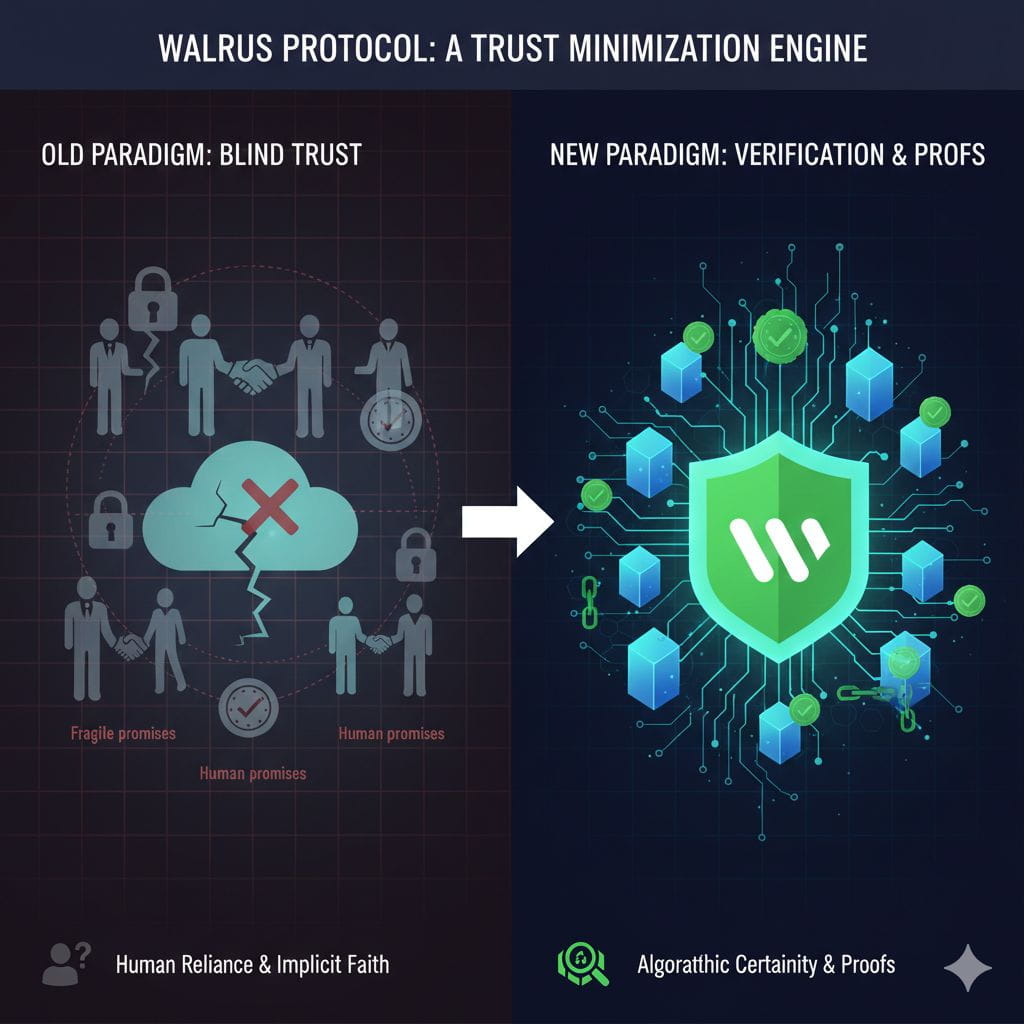
As crypto moves toward real-world adoption, enforceability will become non-negotiable. Walrus is ahead of this curve, showing how decentralized systems can deliver not just freedom, but reliability.
