

Mass adoption in Web3 is not a question of awareness. It is a question of relevance and experience. Millions of people have heard of blockchain, yet very few use it in their daily lives. The reason is simple: most blockchain systems are not built around products people actually need or enjoy. @Vanar takes a different path by designing its infrastructure around an ecosystem of real applications rather than abstract technical ideals.
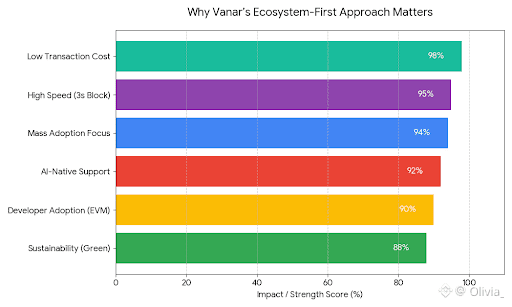
Vanar is a Layer‑1 blockchain created to support consumer‑facing platforms at scale. The team’s background in entertainment, gaming, and brand engagement has shaped a development philosophy that prioritizes usability and familiarity. Instead of forcing users to adapt to blockchain, Vanar adapts blockchain to fit existing digital behaviors.
An ecosystem‑first approach means that infrastructure decisions are driven by application requirements. Games need low latency and predictable costs. Virtual worlds need scalability and persistence. Brand platforms need reliability and ease of integration. Vanar’s architecture is designed to meet these demands, making it possible for developers to build products that feel seamless to end users.
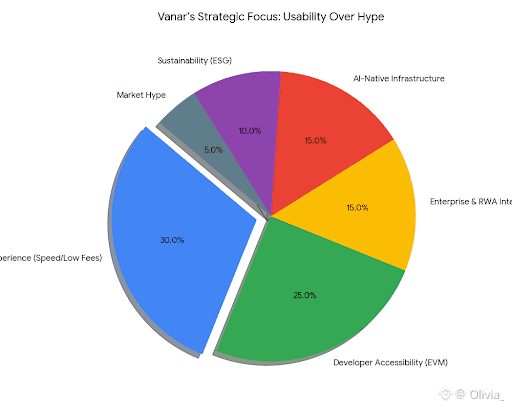
The presence of established products within the ecosystem strengthens this model. Virtua Metaverse provides a clear example of how immersive digital environments can leverage blockchain without overwhelming users. Ownership, trading, and interaction happen naturally within the experience, reducing the cognitive load typically associated with Web3 platforms.
Similarly, the VGN games network highlights how blockchain can enhance gaming ecosystems without disrupting them. Players engage with games as they normally would, while developers benefit from transparent economies, asset ownership, and long‑term interoperability. This alignment between player experience and blockchain utility is essential for sustainable adoption.
Vanar’s inclusion of AI and eco‑focused solutions reflects an understanding of where digital innovation is heading. AI applications increasingly require transparent data handling and verifiable processes, areas where blockchain can add value. Environmental initiatives benefit from traceability and accountability, which decentralized ledgers can provide. By supporting these verticals, Vanar extends its relevance beyond entertainment alone.
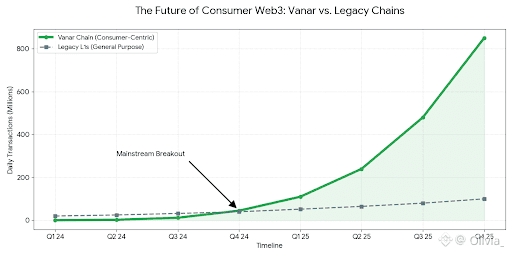
The VANRY token plays a central role in connecting these components. It facilitates transactions across the ecosystem, rewards participants, and supports network security. More importantly, it ties value creation directly to platform usage. As applications grow and user activity increases, the token’s role becomes more deeply embedded in the network’s operation.
Education is embedded into adoption through design rather than instruction. Users learn by using products, not by reading technical documentation. This philosophy reduces friction and builds trust over time. When blockchain feels like an invisible layer rather than a complex system, adoption becomes a natural outcome.
Vanar’s strategy suggests that the future of Web3 will be shaped by networks that understand people, not just protocols. Infrastructure alone is not enough. Successful platforms will be those that integrate technology into experiences users already value. By focusing on ecosystems, products, and industries with existing demand, Vanar positions itself as a bridge between Web2 familiarity and Web3 ownership.
As the industry matures, adoption will favor blockchains that deliver consistent value without demanding technical expertise from users. Vanar’s ecosystem‑first design reflects this reality. It is not attempting to reinvent how people interact with digital platforms. Instead, it is providing the infrastructure that allows those interactions to evolve naturally into the Web3 era.