


Smart contracts are often praised for their openness. Anyone can read the code. Anyone can see execution. Anyone can verify outcomes. This openness is powerful — but it comes at a cost that many builders underestimate.
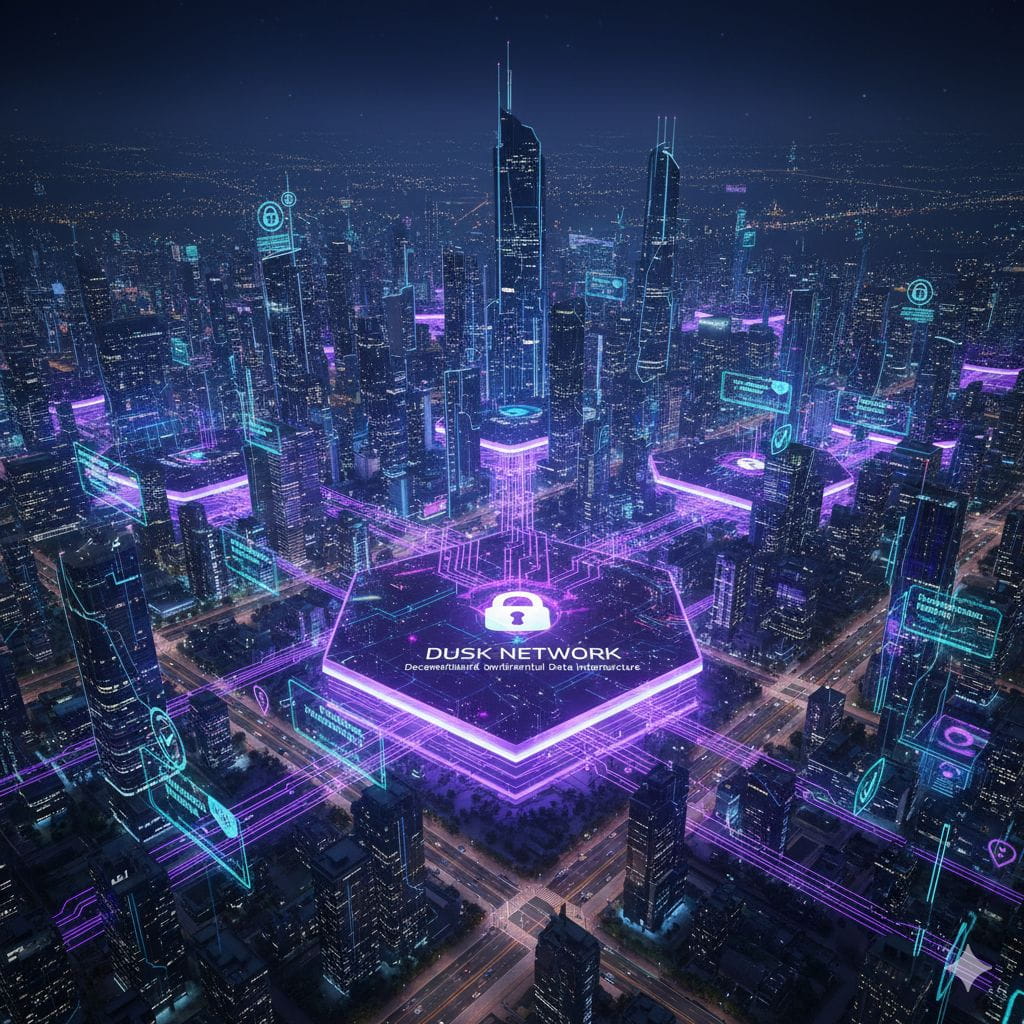
When every rule and every execution path is public, markets adapt in unhealthy ways. Traders anticipate moves before they complete. Bots exploit predictable behavior. Competitors copy logic as soon as it proves profitable. Over time, this discourages innovation and limits complexity.
Dusk Network addresses this problem by redefining how smart contracts should behave. Its Confidential Smart Contracts (XSCs) allow execution without exposure. The network verifies that the contract followed its rules, but observers cannot see sensitive inputs, intermediate steps, or private logic.
This is not secrecy for secrecy’s sake. It is controlled execution with verifiable correctness.
The Phoenix transaction model ensures that interactions with XSCs remain confidential end-to-end. A transaction does not suddenly become public because it touches application logic. Privacy is consistent across layers, reducing complexity for developers and users.
This consistency is crucial. Many privacy solutions fail because they introduce fragmented trust assumptions. Dusk’s architecture avoids this by designing privacy at the protocol level.
From a builder’s perspective, XSCs unlock entirely new design spaces. Auctions can remain fair because bids are hidden. Trading systems can operate without leaking strategy. Asset issuance can protect proprietary mechanisms. Governance systems can avoid manipulation driven by early visibility.
Zedger plays a key role here as well. Assets managed by XSCs can remain private while still supporting selective disclosure. This allows contracts to interact with real-world constraints without sacrificing confidentiality.
Importantly, Dusk does not remove accountability. Selective disclosure ensures that when verification is required, it can happen cryptographically. Trust does not disappear — it becomes structured.
From a market standpoint, this changes participation incentives. Sophisticated actors are more willing to engage. Builders can create differentiated products. Institutions can interact without violating internal controls.
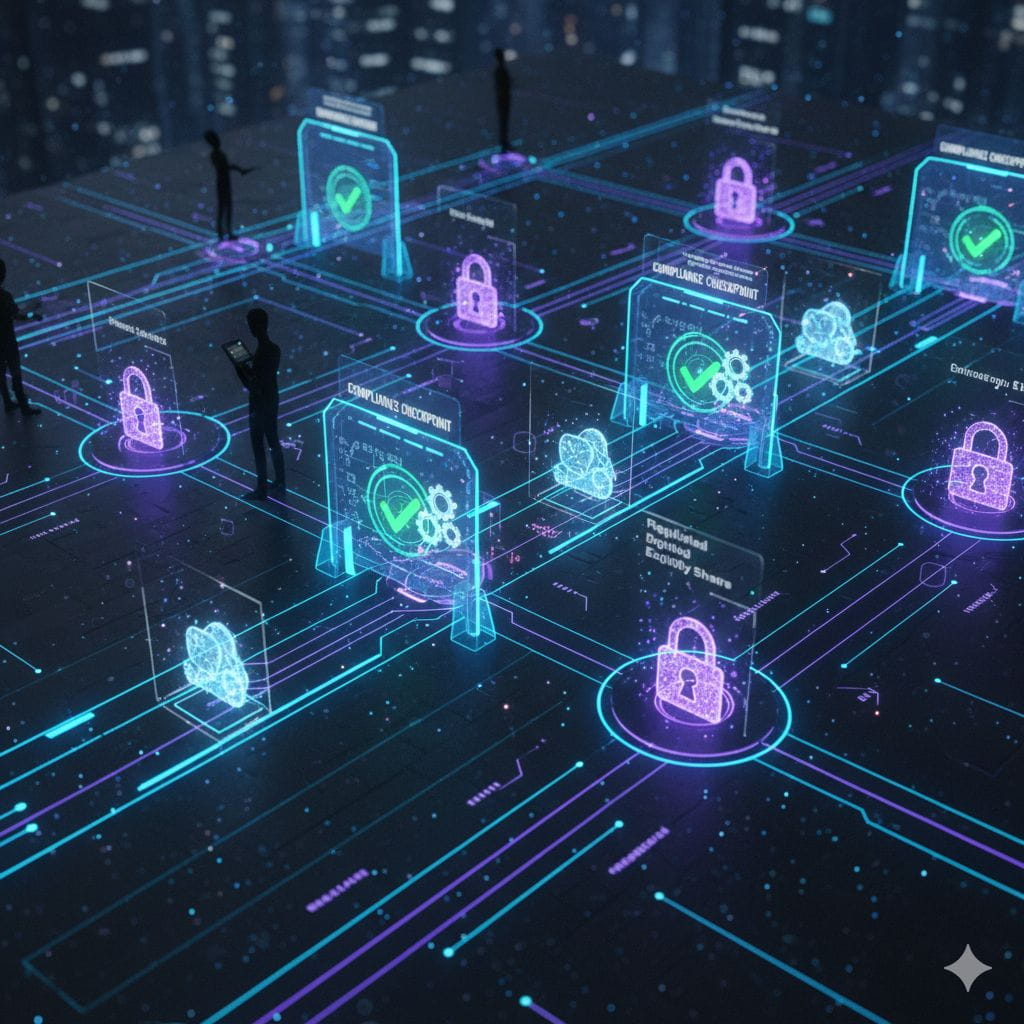
Over time, markets evolve toward systems that protect value creation rather than exposing it prematurely. Confidential smart contracts align on-chain systems with that evolution.
Dusk’s approach suggests that the future of decentralized markets will not be louder or more transparent — it will be more precise.
