
You ever stop and think why moving stablecoins still feels… old?
Like you’re using a new tool but the same old friction keeps showing up?
That’s where Plasma comes in. It doesn’t scream innovation.
It doesn’t throw bells and whistles.
It quietly fixes the stuff that actually matters.
Plasma is a blockchain built for stablecoins first. Not second. Not third. First.
It launched its mainnet beta on September 25, 2025 and from the very start it had over $2 billion in stablecoins ready to go across more than 100 partners. That’s real commitment, not hype.
Now here’s the part that’s cool but not talked about enough. Plasma didn’t build a new language or a new virtual machine.
It kept Ethereum’s EVM exactly the same. That means developers real people don’t have to learn some weird new tech just to build here. If you’ve ever written a Solidity contract, you can drop it into Plasma the same way.
Underneath, the engine is Reth a Rust‑based execution layer that’s fast and efficient. It’s like replacing the engine in your old car with a modern one smooth, reliable but the steering wheel stays where you expect it. 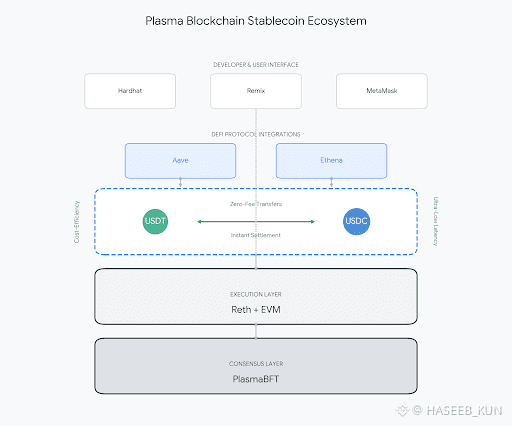
And then there’s the thing everyone notices first: zero‑fee USDT transfers.
Yes , you can move Tether without paying gas for simple transfers.
That’s not normal. That’s not “blockchain tech for the sake of tech.” That’s practical.
Think about what that changes.
For someone sending money back home every month.
For a small merchant accepting payment from customers abroad.
For everyday chores like paying rent in digital dollars.
This isn’t some abstract idea. It is reality already shaping up.
Behind the scenes, Plasma uses a consensus called PlasmaBFT inspired by Fast HotStuff. That’s a fancy way of saying transactions confirm quickly and reliably, even under heavy load. This matters because stablecoins aren’t random crypto tokens.
They’re money‑like assets and money has to move fast and predictably.
This is not just talk either. People are already doing real things with it. There are integrations and even announcements of tools that make swapping stablecoins smoother across chains using new routing tech. That’s a sign people want this kind of infrastructure. 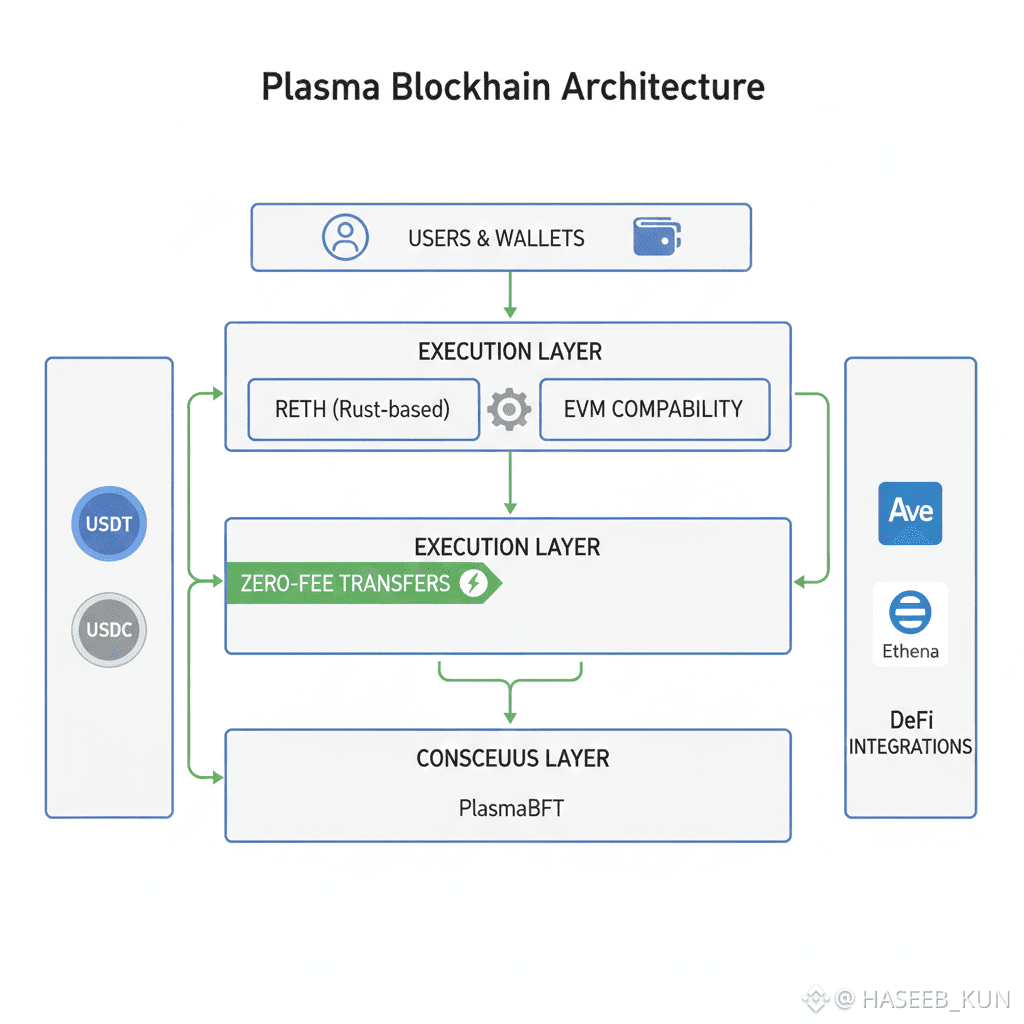
But let’s be honest there are challenges too.
Competition is fierce. Ethereum, Solana, Tron they all handle massive stablecoin volumes already. Plasma’s idea is neat, but actual everyday use still needs time and human adoption. The tech has to be simple enough for normal folks, not just DeFi nerds. And regulators in major economies are still trying to figure out exactly how stablecoins fit into traditional finance. That can slow things down.
One more thing worth saying out loud: liquidity levels can shift. Sure, $2 billion was ready at launch, but markets move fast. When there’s too much concentrated in one asset (like USDT), it creates risk of shallow markets for other stablecoins. That doesn’t break the system, but it means Plasma needs to keep evolving.
Here’s the honest part my own take:
I’ve seen so many blockchain projects chase hype.
New tokens. New graphics. New slogans. But Plasma feels use‑case first.
It feels like someone looked at the biggest real problem cost and friction in money movement and said, “Let’s fix that.”
And they built something that actually works with what already exists not against it. That tells me Plasma isn’t just another project. It’s infrastructure thinking. And infrastructure, when done right, quietly becomes the backbone of real‑world systems.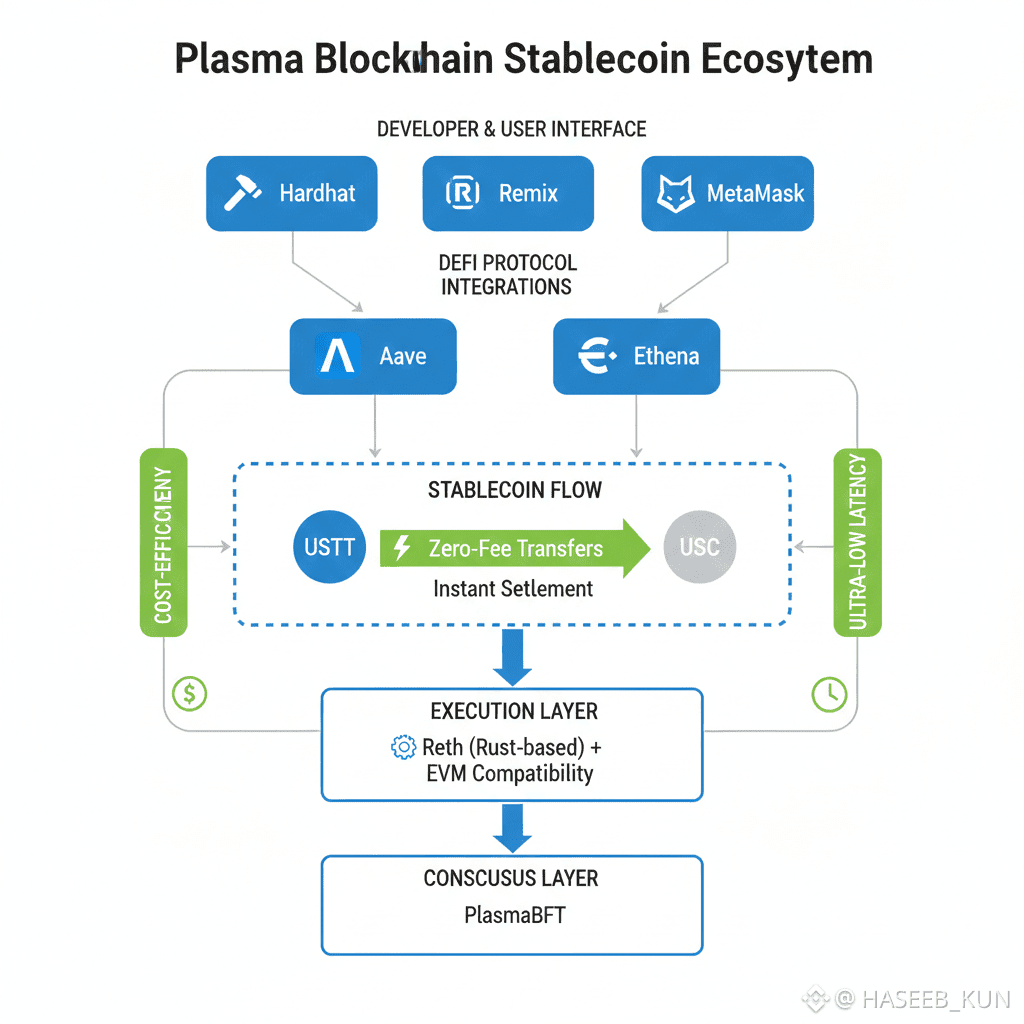
That’s big.
And honestly? I’m watching it closely not because it’s flashy but because it feels genuinely useful.
And in the end, usefulness is what really matters.
