


I'll be honest... Bridges do not by default make me trust. Bridges remain the most appealing attack surface in crypto in 2026 and the market already learned that in 2022 (Chainalysis estimated that in 2022 alone, over $2B had been stolen in cross-chain bridge hacks).
Thus, when I checked the design of the Plasma Bitcoin Bridge, I was reviewing it as a payments rail, not a toy in DeFi. In case this object is supposed to shift serious liquidity of BTC to an EVM environment, it must be boring and feel constrained and auditable as Visa rails are boring because they are.
The following is my rough checklist before I ever feel confident:
Does the asset have a verifiable backing at 1: 1?
Who may prevent withdrawals, and how?
What is the one key / one committee failure mode?
Is the liquidity disaggregated across chains, or is it integrated?
Is the design becoming less dangerous (decentralization path), or more political?
The docs of Plasma portray the bridge as being trust-minimized and aimed to transfer BTC into an EVM world without the need to use centralized custodians. The importance of framing is that it makes you know what they are maximizing at the very beginning.
Mechanically, the bridge adds pBTC - a cross-chain fungible token which Plasma described as being backed 1:1 by real Bitcoin, designed with the purpose of enabling BTC to be utilized in smart contracts and still maintain a verifiable connection to Bitcoin.
The separation of duties is what brought me early confidence. Plasma refers to an onchain attestation flow supported by a network of verifiers, and not simply trust this custodian. The verifier network style is also characterized as a decentralizing over time and that is what I would like to see a roadmap that is no longer based on a few actors.
On the withdrawal side, @Plasma has documentation of MPC-based signing (commonly referred to as TSS-style systems) of redemptions. The utility of this in real life is easy to understand: you are not placing all your eggs in one private key or one signer box and hoping that it will remain secure indefinitely.
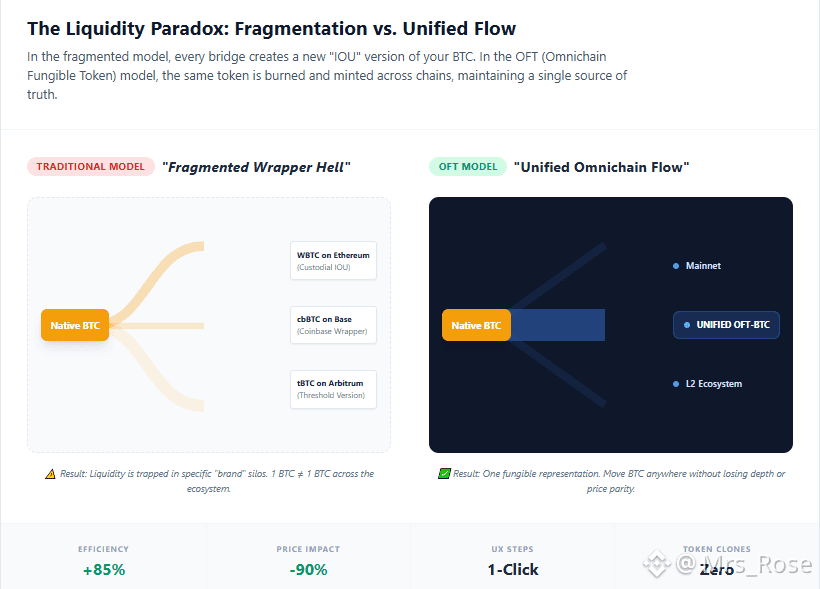
One more fact that I liked: they are specifically attempting to evade the "wrapped BTC per chain" issue pBTC is said to be based on LayerZero's OFT architecture, which is built to support the movement of a single fungible asset across chains without requiring rewrapping and liquidity fragmentation. That in actual reality is much closer to having a single version of BTC liquidity with the ability to move, rather than ten versions that will never sum to the complete total.
And since Plasma is positioning itself as the infrastructure that is native to stablecoins, I also gave usability some consideration. Their documentation about custom gas tokens states that the first support has USDT on Plasma and BTC via pBtc that is relevant when the final destination is frictionless payments, and not to purchase a gas token before.
Now zoom out for a second. It is a bridge story that is not occurring in a vacuum, and rails that are based on stablecoins are rapidly being validated in the real world. An example is Visa, who in November 2025 announced Visa Direct pilot, which will enable payouts in wallets using stablecoin to creators and gig workers (Visa also partnered with Bridge to introduce cards linked to stablecoins in several countries). It is the trend: stablecoins out of trading and into daily money flow.
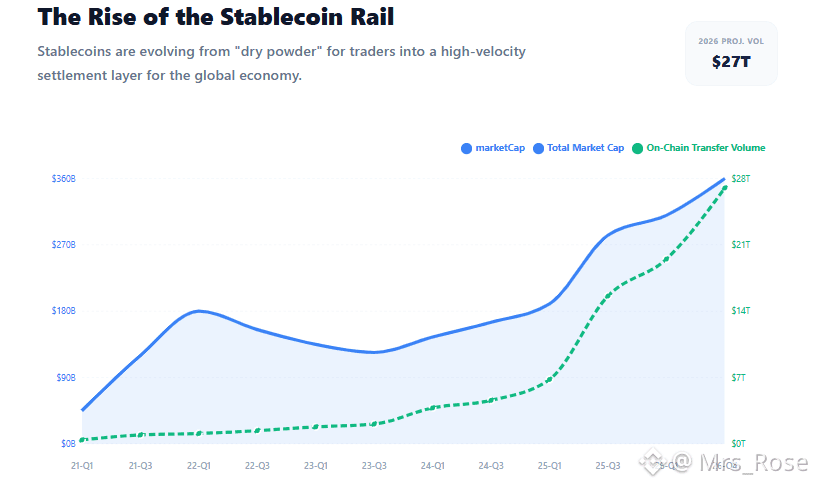
This tendency is the reason why a Bitcoin bridge constructed on the basis of payments is topical. When stablecoins are the dollar layer of crypto, and Bitcoin is the deepest neutral collateral... then the ability to interoperate between the two will be an important strategic asset, rather than a feature in the niche.
Plasma docs define $XPL as the native token in the network and is used to carry out transactions as well as reward those who support the network by verifying their transactions. I prefer token utility to be described in a simple manner as that it keeps expectations down to earth.
The next thing I will be watching (because confidence needs to continue earning itself):
The rate at which the verifier network is decentralized in practice, not merely in terms of description.
The level of openness in bridge monitoring and incident response procedures as utilization increases (bridges are not attacked when small... they are attacked when significant).
In short, it is my conclusion that the bridge design is attempting to minimize trust, rather than repackaging it. And with bridges that is pretty much the game.... It is not financial advice it is simply the prism within which I view my decisions of whether a system is worth considering.
Q&A
Q: pBtc, is it custodial or non-custodial?
Plasma makes it trust-minimized and not dependent on conventional custodians, verifier attestations and MPC-based withdrawals - but you must consider any bridge a risk surface and read the actual documentation before using it. ([plasma.to]
Q: What is the significance of the description of the OFT to the regular users?
Since fragmented liquidity typically implies poorer pricing, increased wrappers, increased confusion, and increased locations where things can disintegrate. One of the efforts to minimize that mess is a unified standard of cross-chain tokens. [docs.layerzero.Network]
Q: What is the real-world explanation as to why this is important in 2026?
Mainstream payouts and spend flows ( Visa Direct pilots, stablecoin-linked cards ) are being tested with stablecoins. When such a direction persists, the infrastructure to link BTC liquidity to payment rails safely will be more than a story it will be utility.