


I am a fan of the idea of powering people over their own data via blockchains, and thus I followed the Plasma project attentively. Contrary to most projects, which introduce a new DeFi token or a scaling solution, Plasma will seek to break down the data silos surrounding blockchains to actually allow users to own their digital assets. This paper will describe Plasma in simple language, the issues it addresses, how it functions, and why I believe it is important. In between, I will use charts and pictures that depict the ideas.
The Issue: Scattered Data and High Prices.
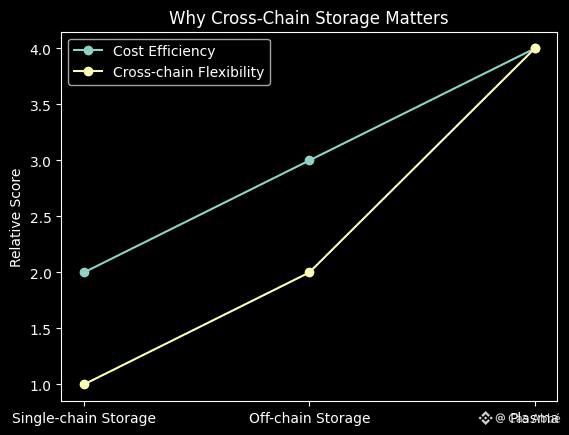
Blockchains have created an abundance of decentralised apps, although they present new bottlenecks. All the data are stored in different chains, and, therefore, Ethereum data cannot be easily read in Solana or Avalanche. Those who add excessive information to single chains incur huge charges. Larger files are used by users on off-chain services such as IPFS or Arweave. Those are useful services, however, they do not simplify the process of transferring data between chains. The outcome is a disjointed playground with apps unable to share information easily and users of apps unable to carry hundreds of wallets to store their resources.
A Chain agnostic solution to storage networks: Plasma.
Plasma reinvents the concept of blockchain storage as a layer of neutrality below every network. It has a decentralised physical infrastructure in which anyone has the potential to contribute to storage and bandwidth by running a validator node. A proof-of-stake consensus is employed by the validators. They encrypt XPL tokens to be able to store data.
Plasma makes use of evidence of spacetime to maintain data. Validators also issue cryptographic evidence showing that they still possess the files they are compensated to store. In case a node is unable to provide a proof, the node loses its stake. It is a system that rewards honesty but not any particular side.
What I like the most about it is that Plasma is chain-agnostic. A developer can save user profiles of an Ethereum application in Plasma and retrieve them in a smart contract on a different chain. The network connects lightweight clients that are aware of consensus rules of other networks. Practically, a gamer might have game-based items in one chain, and apply them in a game in another chain without incurring the hassle of bridging and custodial services.
Considerate Tokenomics and Stability.
At the time when I consider a crypto project, I consider structure of token supply. The native token of Plasma is XPL, the fixed max supply of which is 10b, and currently, 1.8b circulates. The first three years will not increase supply in the network. Subsequently, the inflation is gradual and will decrease to around 2 per cent annually, and new tokens will reward validators. Part of the fees are also burnt and this can offset the inflation in the long run. This is a balanced design that avoids the dilution of normal users as well as rewarding the validators.
Token Allocation
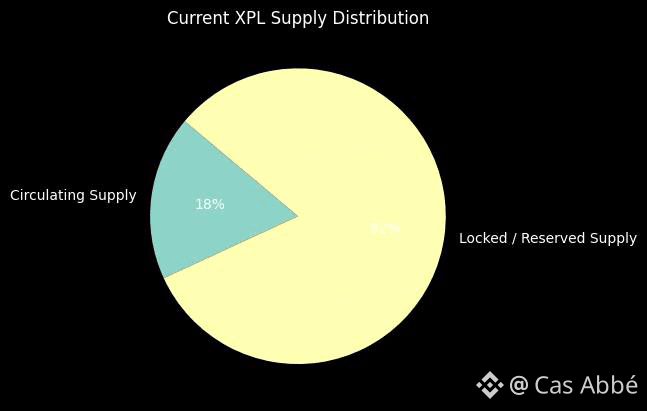
The XPL supply is divided to the participants through a transparent manner of 10billion. The first partners receive an investment to initiate adoption. Some is allocated to the team and core contributors who have long lock in periods to align their interests to the network. The rest is given to investors and a pool of grants to finance development and work in the community. I like the fact that the project transparently shows these allocations so that everyone can see how tokens are owned. The breakdown is illustrated in the chart below.
Currently, only 18 0.00 per cent of the tokens are in circulation, and thus, the largest portion of supply is locked. The total supply will increase when tokens are unlocked later and therefore, investors need to monitor future unlocks.
Circulating vs Total Supply
It is important to know the distinction between circulating supply and total supply in order to value a token. At this point, both the circulation and total of XPL are 1.8 and 10 billion, respectively. The numbers are compared in the bar chart below. The grey part indicates that there are still tokens locked or reserved, which indicates the potential amount that can be added to the industry with time.
Data Sovereignty and Digital Rights.
The number of articles related to Plasma revolve around tech details or tokenomics. I would like to point out a human aspect: the sovereignty of the digital. In the modern era of technology, having your data and being free to transfer is a fundamental right. Big tech companies archive our information, and determine how it is applied. Even within blockchain, data is usually stored on a single chain and this constrains freedom.
The cross-chain storage of Plasma allows storing the information of a user and transferring it among networks without depending on centralised bridges. It is some kind of a passport to your digital identity. It means that you can go wherever you want in the decentralised world and carry your assets and data with you.
Making Developer Experience Simpler.
Plasma reduces barriers to entry as seen by a builder. Developers do not have to code it separately and put data on a different storage per chain: just write it once and save on Plasma. This saves on maintenance and accelerates innovation. It also develops a common data layer where programs on one chain can communicate with those on another chain, giving rise to new product ideas.
Adoption Trends: Multi-Chain Tools are a Trending Market.
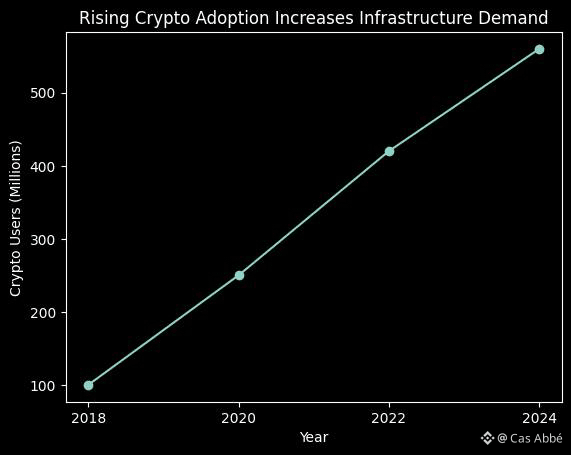
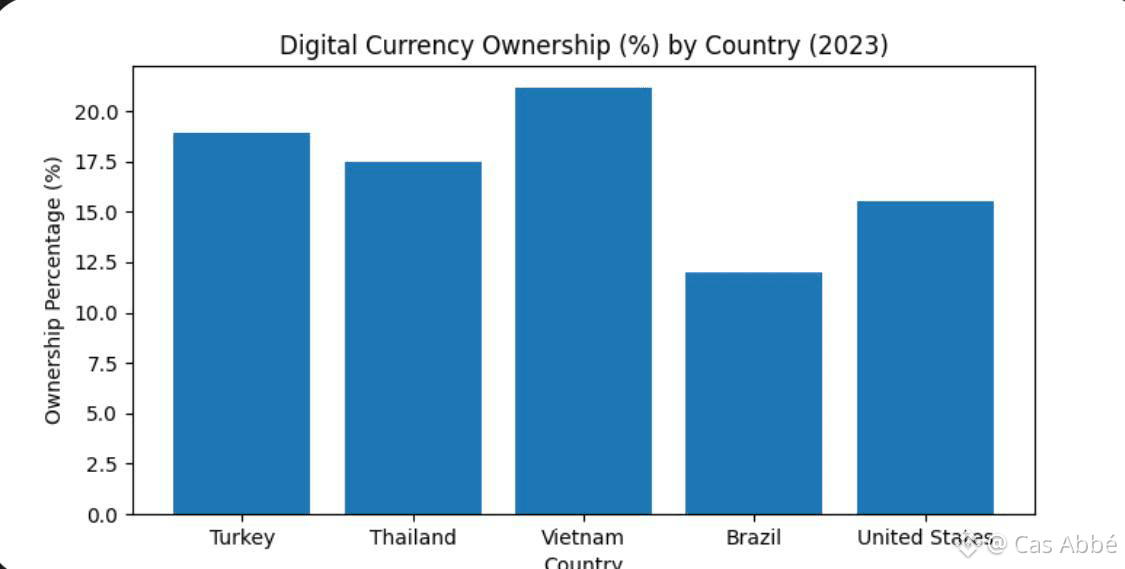
The infrastructure projects are successful when they have demand. The number of users of crypto is on the rise globally, and hundreds of millions of people own online resources. It has become quicker than the conventional mode of payment and there are countries that are leading in this.
The increase in the number of users promotes the need of scalable and flexible infrastructure. With the increase in the use of digital assets, applications will have to store and retrieve data in numerous chains. Plasma occupies the heart of this trend whereby the service they offer increases in value as more people adopt it.
Outside Storage: Possible applications.
The architecture of plasma allows numerous applications in addition to simple file storage.
Decentralized identity can store credentials in Plasma, such that users can demonstrate authenticity across chains without exposing sensitive information. Cross-chain gaming may allow players to own objects or characters in one chain, and utilize them in a different chain. Metadata and collateral records could be stored on a portable format in the stablecoins and DeFi platforms. Decentralized social networks may be operated on several chains with the preservation of user history.
Why I'm Optimistic
There are risks. The supply will be increased with token unlocks, and the competition in decentralized storage is tough. The team should work towards creating a secure and reliable network. Nevertheless, the favourable indicators are high.
Plasma addresses an actual issue that has a definite economic framework and a long-term motivation to do so. Due to the increase in crypto adoption, the demand in cross-chain infrastructure will increase. However, and most importantly, Plasma aligns with my philosophy that the individuals should own and manage their digital lives.
Plasma helps to get us one step closer to an entirely decentralized internet, where individuals have the freedom to act instead of being isolated subsystems. When the implementation fulfils the vision, Plasma would be a cornerstone of the new wave of blockchain usage.