

There was a time when blockchain felt like a world running parallel to real life instead of being part of it. I’m talking about a space full of promise but also full of friction. You would hear about digital ownership, virtual economies, and the future of the internet, yet when you actually tried to step inside, it felt technical and heavy. Fees appeared at the wrong moments. Systems felt like they were built for engineers instead of normal people. It became clear that the technology was advancing faster than human comfort was.
That quiet discomfort is where the story of Vanar Chain really begins. The people behind it were not only looking at charts and code. They came from gaming, entertainment, and digital experience backgrounds. They understood how people behave online when they are relaxed, curious, and engaged. They knew that most users do not want to think about networks or confirmations. They want to play, explore, connect, and create. So instead of asking how to make blockchain more powerful, they asked why it still did not feel natural.
That shift in perspective changed the direction of everything. Vanar Chain was designed as a Layer 1 blockchain, meaning it runs as its own main network with its own structure and rules. But the real goal was not just independence. It was control. Control over speed, cost, and performance so that real world digital platforms could function smoothly without users feeling the weight of the technology underneath.
The chain grew out of earlier work connected to virtual environments and immersive platforms. So this was not an idea built in isolation. It becomes more like a continuation of a journey that started with digital worlds and expanded into full blockchain infrastructure. Lessons from how people move through virtual spaces and how they interact with digital assets helped shape how this network was built. The result is a system designed around behavior, not just capability.
One of the biggest barriers to mass adoption has always been transaction cost and speed. In games and large digital platforms, people make many small actions. If every step is slow or expensive, the experience breaks. Vanar focuses on keeping transactions fast and low cost so that frequent activity feels normal instead of stressful. This is not just a technical feature. It directly affects how comfortable people feel using applications built on top of the chain.
Another important part of the system is compatibility with the Ethereum environment. Developers who already understand that ecosystem can move their tools and applications more easily. This lowers the barrier for builders. When developers have an easier path, more projects can grow. And when more useful applications exist, users have real reasons to participate. Growth becomes organic instead of forced.
Security is handled with efficiency in mind. The network focuses on reliable validation while avoiding approaches that rely purely on heavy resource consumption. The aim is balance. Protect the system while keeping it practical and responsible. When performance and sustainability are both considered, the foundation becomes stronger over time.
A layer that makes Vanar feel forward looking is its connection with intelligent systems. Instead of seeing artificial intelligence as separate, the ecosystem explores ways for blockchain data to interact with smarter tools. This creates possibilities for digital environments that can adapt, analyze, and respond in more dynamic ways. It moves the idea of blockchain from being just a ledger toward being part of a more responsive digital infrastructure.
What makes this journey feel real is that it connects to actual platforms. Virtual environments and gaming networks built around this infrastructure show how blockchain can sit quietly in the background. Users focus on experiences. They play, explore, and interact. Ownership, transactions, and systems are supported underneath without demanding constant attention. Most people do not want to use a blockchain for the sake of using one. They want something that works. When the experience feels smooth, the technology has succeeded.
At the center of all this movement is the VANRY token. I think of it as circulation within a living system. It is used for transactions, helps support network operations, and connects participation across the ecosystem. When developers build, when users interact, and when validators support the network, VANRY links those actions together. It plays a functional role in keeping activity, security, and growth connected.
Looking at the bigger picture, this feels like part of a wider change in how blockchain is evolving. Instead of expecting people to adjust to complex systems, the systems are starting to adjust to people. Familiar experiences are becoming the entry point, while blockchain works as background infrastructure. Adoption begins to feel natural when technology supports behavior instead of disrupting it.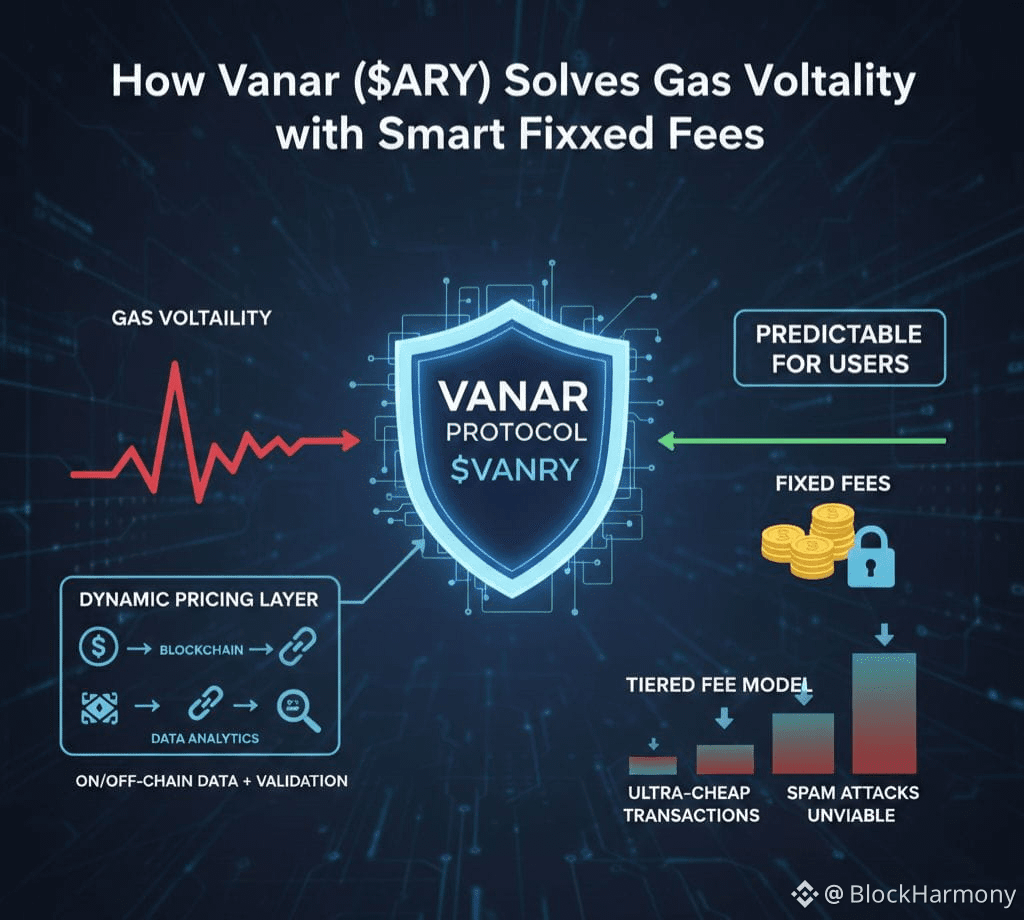
What stays with me most is the intention behind this approach. Start with real frustrations. Notice where people feel lost or overwhelmed. Design systems that remove friction instead of adding new layers. If this mindset spreads, blockchain will stop feeling like a separate digital experiment and start feeling like a normal part of the internet people already know.
It becomes less about hype and more about usefulness. Less about technical noise and more about human connection. And maybe that is the moment when this technology truly finds its place in everyday life.