

The first time I looked into Vanar, I didn’t feel like I was studying a blockchain. It felt more like I was stepping into a digital space that simply worked. There was no pressure to understand technical layers or token mechanics. Everything seemed designed to stay in the background, letting the experience come first. That quietness is rare in Web3, where projects often compete to be louder, faster, or more complex.
Vanar is a Layer 1 blockchain, but it doesn’t present itself as infrastructure for traders or protocol enthusiasts alone. Its roots are clearly tied to gaming, entertainment, and brand collaboration. That background shapes everything. Instead of asking how many transactions per second it can push, Vanar seems more concerned with how a player feels inside a game, or how a brand interacts with its audience in a digital environment.
That difference in mindset matters. Gaming and entertainment are already familiar to billions of people. They understand digital skins, collectibles, in-game currencies, and virtual identities. Vanar doesn’t try to reinvent those behaviors. It tries to support them. Through platforms like the Virtua Metaverse and the VGN games network, the blockchain becomes a quiet support system. Ownership, transfers, and asset tracking happen underneath the surface. The user simply logs in and plays.
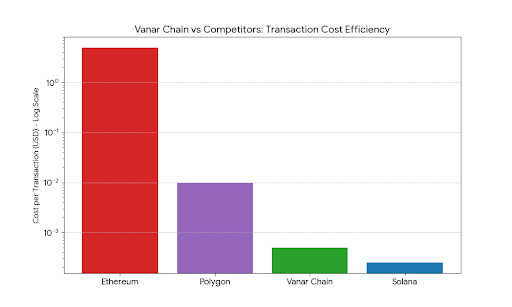
When blockchain technology fades into the background, it becomes more approachable. For many people, the biggest barrier to Web3 is friction. Wallet setup, unpredictable fees, and confusing confirmations create hesitation. A network designed around entertainment cannot afford that hesitation. Predictability becomes more important than raw performance numbers. If users know what to expect — stable fees, smooth interactions, no sudden surprises — trust builds naturally.
Vanar’s consumer focus also makes its ecosystem feel grounded. Rather than existing only as a technical foundation waiting for developers, it actively connects to products people can touch and experience. That creates a feedback loop. Real users test the infrastructure in real environments. If something feels clunky, it shows quickly. If it feels seamless, adoption grows quietly.
The VANRY token sits at the center of this system. Like most native assets, it supports transactions, staking, and network participation. But in a consumer-oriented blockchain, the token cannot dominate the experience. If people feel like they are constantly managing assets instead of enjoying content, something is off balance. Ideally, VANRY operates more like fuel than a spotlight — necessary, but not intrusive. Of course, token volatility is always a consideration. When markets fluctuate sharply, perception can shift, even if the underlying products remain stable.
There is also the question of decentralization and validator structure. Every Layer 1 must find its own balance. Wider validator distribution increases resilience and neutrality, but coordination becomes more complex. A more curated validator approach may support performance and stability, especially for gaming environments that demand consistency. The challenge is staying transparent about these trade-offs. Users may not follow governance details daily, but long-term trust depends on them.
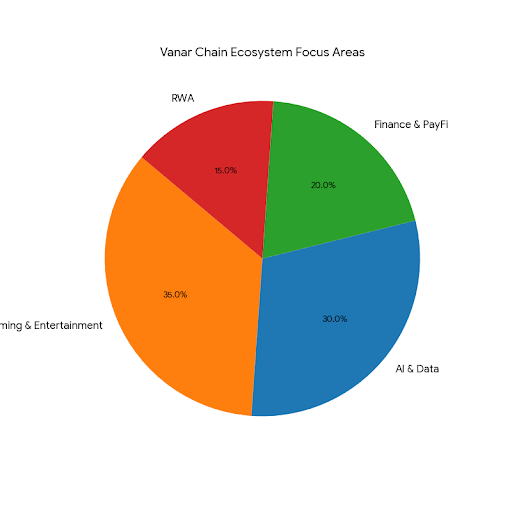
Vanar’s expansion across gaming, metaverse, AI, eco initiatives, and brand solutions shows ambition. That breadth can be powerful. It allows the ecosystem to connect with multiple industries instead of relying on one narrow use case. At the same time, expansion requires focus. If every vertical grows with intention and sustained development, the network becomes versatile. If attention spreads too thin, progress can slow. Execution matters more than vision alone.
What feels most human about Vanar is its attempt to meet users where they already are. People spend time in games. They explore digital worlds. They follow brands and creators. By embedding blockchain into these existing behaviors instead of asking users to change completely, Vanar lowers psychological resistance. The technology becomes a layer of support rather than a challenge to overcome.
Still, adoption in Web3 has often followed cycles driven by speculation rather than sustained utility. For Vanar to maintain relevance, its gaming and entertainment ecosystems must stand on their own, even when markets are quiet. Real communities, active players, and meaningful digital ownership will matter more than headlines.
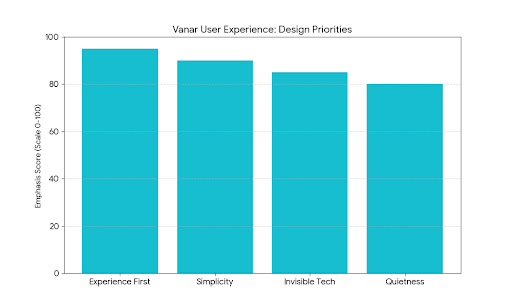
In the end, Vanar feels less like a statement and more like a structure. It does not try to demand attention at every step. It aims to create digital environments where blockchain quietly ensures ownership, transparency, and trust. If users can play, create, and interact without constantly thinking about the underlying chain, then the system has done its job.
That kind of success is subtle. It is not measured by noise, but by smoothness. Not by bold claims, but by consistency. If Vanar can continue refining that balance — between infrastructure and experience, between decentralization and usability — it may find its place not as a spectacle, but as dependable background architecture for everyday digital life.