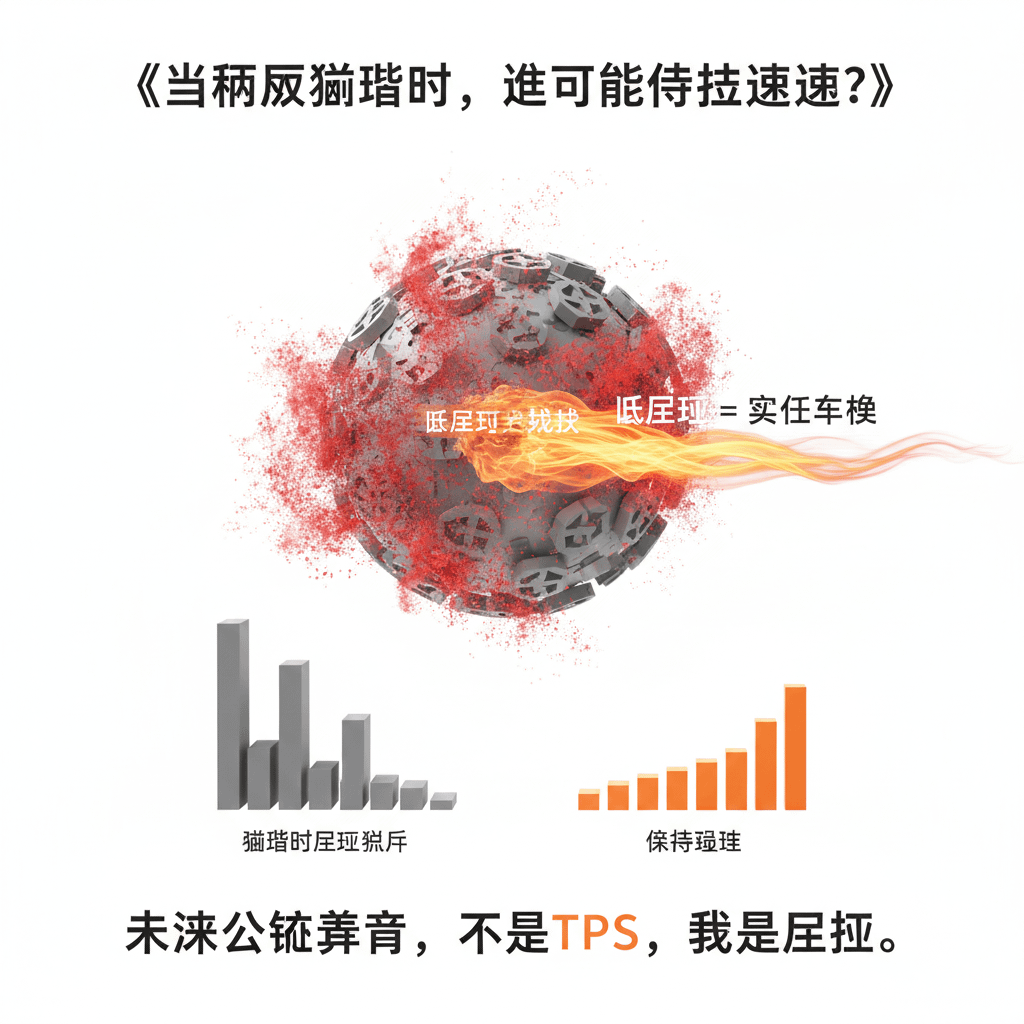
For years, the competition between blockchains has revolved almost entirely around one metric: TPS (transactions per second). The higher the number, the stronger the narrative.
But the market is maturing, and sheer throughput is no longer the key to determining the winner.
Now, latency is becoming a real watershed.
Recent progress of $FOGO perfectly reflects this shift. Flames Season 2 has officially launched, distributing 200 million tokens on the first day (2% of the genesis supply). This is not just about incentive release; it's a signal to validate underlying performance in a real environment.
This is no longer a promise written on a roadmap, but the execution capability that is currently running.
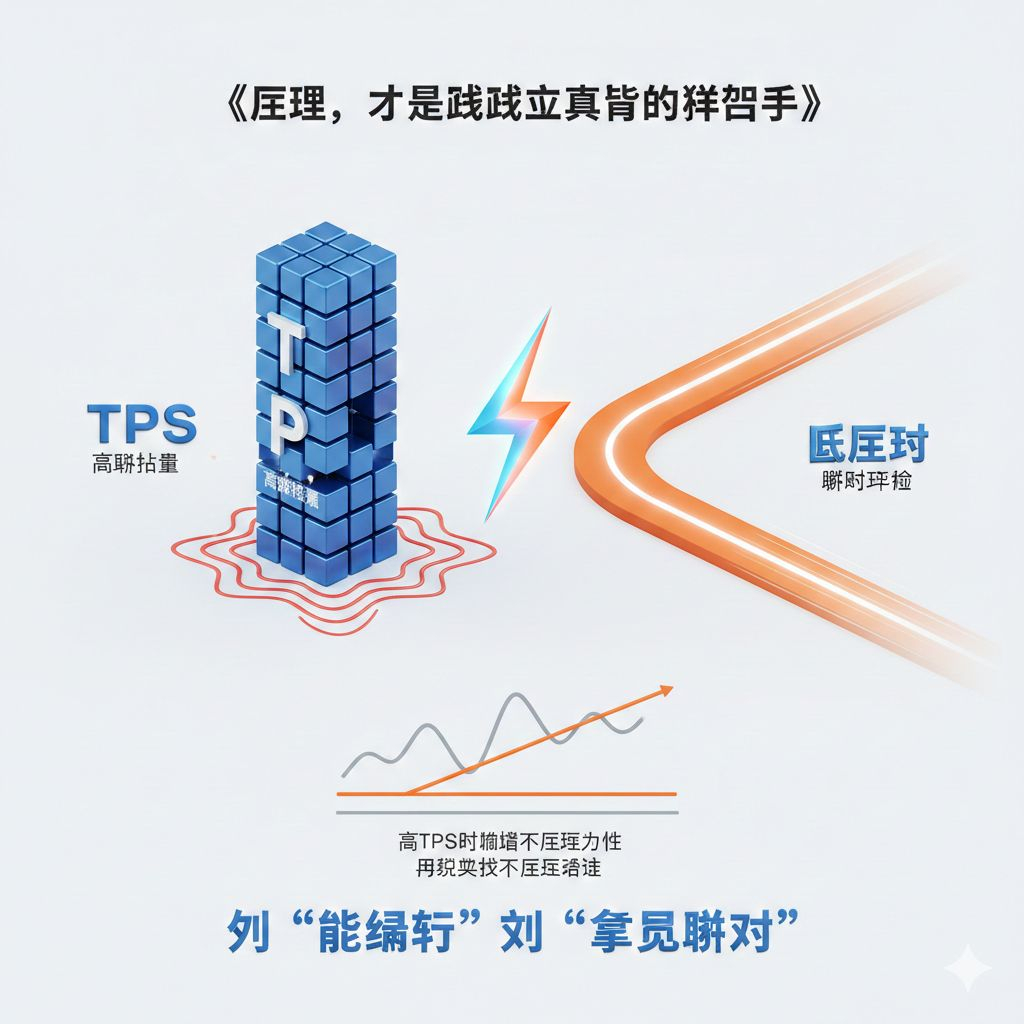
Why latency is more important than TPS
Throughput tells you how much the system can handle.
Latency determines the speed that users "feel."
In real application scenarios, this difference is crucial:
Trading scenario: Millisecond differences determine transaction quality and slippage.
Blockchain gaming scenario: Any delay will break immersion and fairness.
Consumer applications: Response speed directly affects retention rate.
Many public chains can operate "normally" under normal load.
But once traffic surges, the limits of the architecture will be exposed.
The real test occurs during peak moments.
Underlying architecture designed for parallel execution
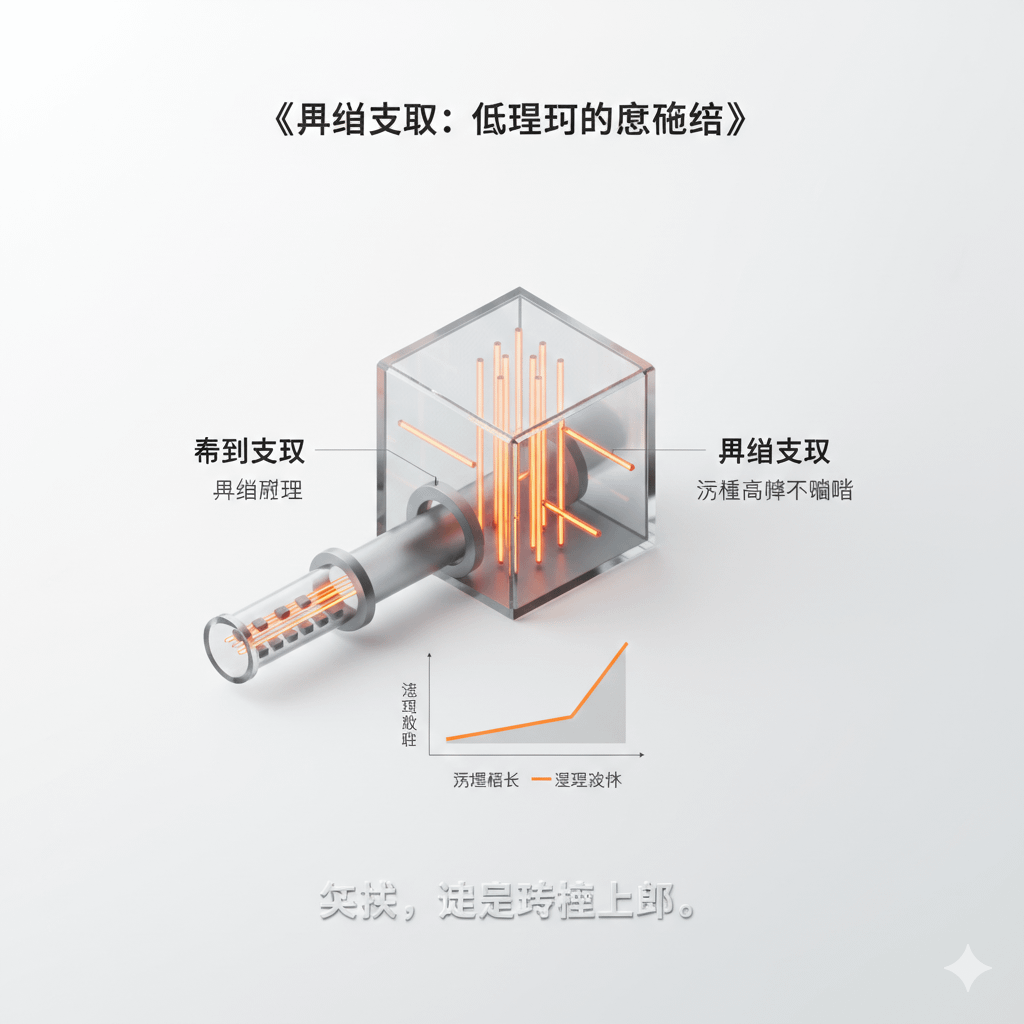
$FOGO The underlying architecture adopts SVM architecture, whose core advantage lies in parallel execution capability rather than traditional serial processing logic.
Parallelization means multiple transactions can be processed simultaneously, rather than queuing up.
During peak periods, this design can significantly reduce the delay amplification effect caused by congestion.
As blockchain applications gradually move towards real-time transactions, game interactions, AI calls, and consumer-level scenarios, "responsiveness" will become a basic requirement, not a bonus.
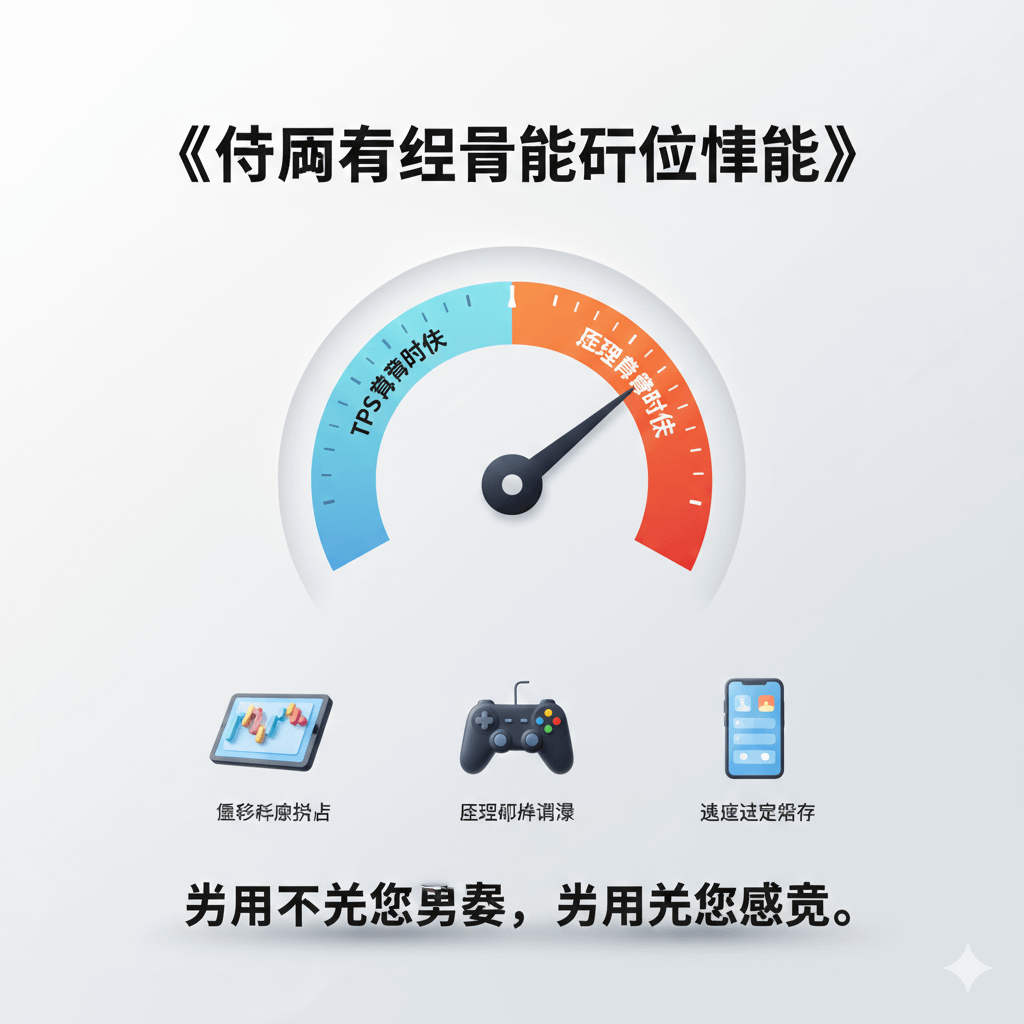
From "can run" to "feels instantaneous"
The industry is shifting from "theoretical scalability" to "experience-level performance."
Users do not care about 50,000 TPS in a testing environment.
What they care about is:
Whether transactions are executed immediately
Whether the game has no lag
Whether the application is smooth and natural
"Can run" and "feels instantaneous" are two completely different levels.
Real adoption occurs at the experiential level.
The market is re-pricing performance value
The market feedback reflects a trend to some extent:
Capital is starting to focus on execution capabilities in real environments, rather than abstract scalability narratives.
Blockchain competition is entering a new phase.
It's no longer about who can write the biggest numbers on a white paper.
but who can still maintain speed during network congestion.
Future infrastructure winners,
may be determined by "latency."