
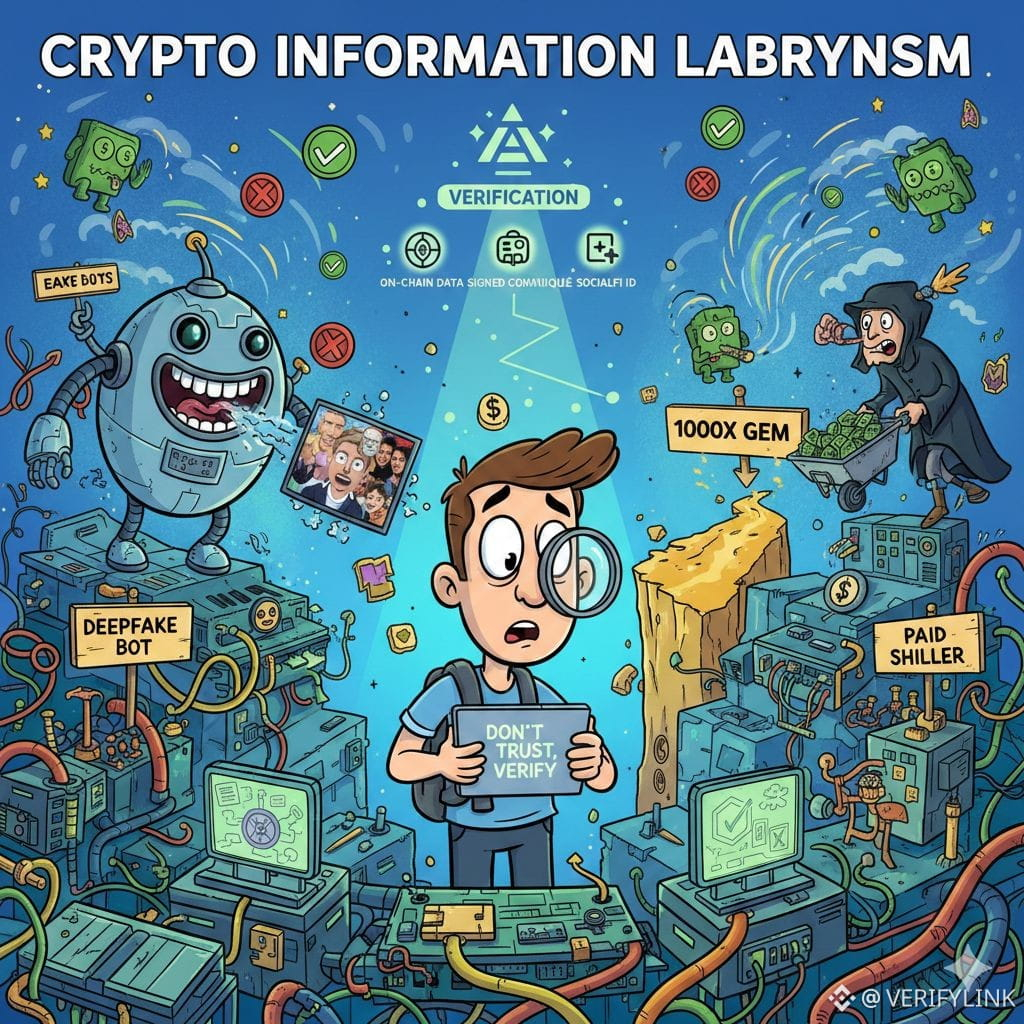
In the digital asset ecosystem, where volatility affects narratives as much as prices, veracity is the scarcest asset. As industry professionals, we observe how disinformation campaigns—supercharged by deepfakes and next-gen AI bots—have sophisticated the art of deception. Distinguishing a legitimate article from a piece of propaganda or a scam now requires a clinical eye and an almost forensic methodology.
The Verification Triangle
To filter reality from fiction, we must apply three fundamental lenses:
Source Traceability: A serious article is never a dead end. It must contain hyperlinks to on-chain data, GitHub repositories, or digitally signed official statements. If a text cites "sources close to the protocol" without providing a verifiable blockchain-based foundation, treat it as a rumor, not a fact.
Sentiment and Bias Analysis: Quality crypto-journalism seeks neutrality. Be wary of articles using excessive hyperbole (such as "the next 1000x gem") or those lacking a risk assessment section. The absence of technical counterpoints is the first red flag of paid-shilling disguised as news.
SocialFi Authorship Verification: In 2026, professional identity is validated on-chain. Check if the author has a verified profile on protocols like Farcaster or Lens. A real journalist typically maintains a coherent publishing history and a reputation linked to their professional "address."