
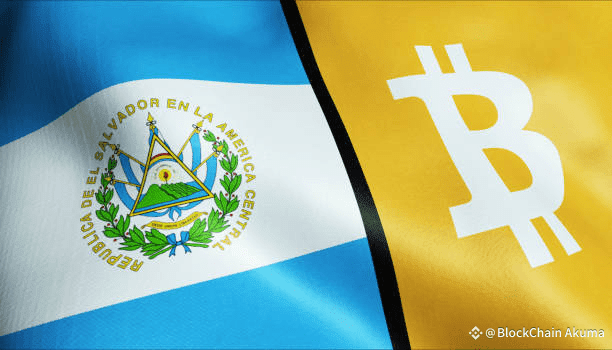
El Salvador Bolsters Gold Reserves Amid Bitcoin Strategy Shift
El Salvador is reshaping its financial playbook with a $50 million gold acquisition, the Central Reserve Bank’s (BCR) first major bullion purchase in 35 years, signaling a strategic pivot amid tempered Bitcoin accumulation. Announced on September 4, 2025, the buy added 13,999 troy ounces, boosting reserves to 58,105 ounces worth $207.4 million. Yet, the nation reaffirmed its crypto commitment with a symbolic 21 BTC purchase on September 7 for “Bitcoin Day,” bringing its Bitcoin stash to 6,313 BTC, valued at $701 million. With Bitcoin steady at $111,300 and gold up 16% year-to-date to $3,600 per ounce, President Nayib Bukele’s dual-asset treasury blends digital upside with traditional stability. Four years after adopting Bitcoin as legal tender, is El Salvador pioneering a new reserve model, or hedging crypto’s volatility? Drawing from official disclosures and market sentiment, we unpack this bold evolution.
Gold Acquisition Details
The BCR’s purchase, part of a medium-term diversification push, lifted gold holdings 32% within the nation’s $4.7 billion international reserves, up from $3 billion a year ago. Costing $50 million, the stash now aligns with global central banks’ trend of amassing over 1,000 tonnes annually to counter de-dollarization risks. This reverses a 2015 sale under the FMLN government, which netted $200 million but would be worth $600 million today, framing Bukele’s move as reclaiming lost wealth. Gold now accounts for ~4% of reserves, complementing Bitcoin’s 15% slice ($701 million), a nod to IMF guidance for balance while preserving crypto’s growth potential. For newcomers, it’s a “digital Fort Knox” with a golden anchor; for seasoned investors, it’s a hedge against Bitcoin’s volatility amid global economic shifts, reminiscent of 1970s central bank strategies during oil crises.
Bitcoin’s Evolving Role
Despite an IMF-mandated slowdown on daily Bitcoin buys since February 2025—tied to a $1.4 billion loan deal that ended mandatory acceptance and the Chivo wallet—El Salvador holds firm. The September 7 addition of 21 BTC, a nod to Bitcoin’s 21 million cap, pushed holdings to 6,313 BTC with 127% unrealized gains from an average $46,000 entry price. Assets are now secured across 14 quantum-resistant wallets, each holding ≤500 BTC since August 29, fortifying against emerging cyber threats. The Bitcoin Office reports 80,000 public servants trained via CUBO+ programs, with new laws enabling BTC-focused investment banks for high-net-worth clients, locking 80% of 2021 highs via extended vesting. Despite a 6% YTD Bitcoin dip, the treasury’s hybrid model outperforms, reassuring IMF lenders per their July review.
Community Sentiment and Market Impact
X reflects cautious optimism: @mihaimihale praised the “twin bet” on gold and Bitcoin, while @ImCryptOpus highlighted the $207 million milestone. Sentiment leans 70/30 bullish on diversification, though some Bitcoin purists question the slowdown, echoing 2021’s adoption fervor. Posts from @LosKruptos and @ixmaeelbtc amplify BCR’s tweet, framing gold as a “strategic universal asset,” with a Salvadoran trader sharing a 150% portfolio gain from early BTC buys. Tether’s gold-backed XAUT (7.7 tons), dubbed “natural Bitcoin” by CEO Paolo Ardoino, complements the strategy. As a market veteran of three crypto cycles, I see this as calculated evolution, not retreat—much like nations balancing oil and gold in the 1980s.
CoinDesk’s Ian Allison calls it “IMF-compliant innovation,” boosting legitimacy while navigating Bitcoin’s 6% YTD lag against gold’s surge. Critics, including IMF watchdogs, flag volatility risks, but Bukele’s record—30% tourism growth since 2021—lends credence.
Future Outlook and Implications
This hybrid strategy hedges deftly: Gold’s stability offsets Bitcoin’s growth potential, fitting a global shift where banks like China’s stockpile bullion amid dollar uncertainties. El Salvador’s reserves, at $4.7 billion, fuel projects like Bitcoin City and Pacific Airport. Execution risks remain—quantum threats and IMF disbursements ($120 million initial) hinge on compliance. Bloomberg’s Eric Balchunas projects Bitcoin at $120,000 by year-end if Fed cuts (September 17-18) spark risk-on sentiment; Goldman Sachs sees gold testing $5,000. The World Gold Council forecasts another 1,000-tonne central bank haul in 2025, with El Salvador as a trailblazer. Volatility persists, recalling February’s $1.5 billion ByBit hack, but diversification softens the blow.