
In recent weeks, Polish cryptocurrency users have become targets of a sophisticated phishing campaign conducted via SMS. Scammers impersonate Binance, the world's largest cryptocurrency exchange, to extract sensitive login data and empty the wallets of their victims. This phenomenon is gaining momentum, so it is worth knowing how to recognize an attempted scam and effectively defend against it.
What does an SMS scam look like?
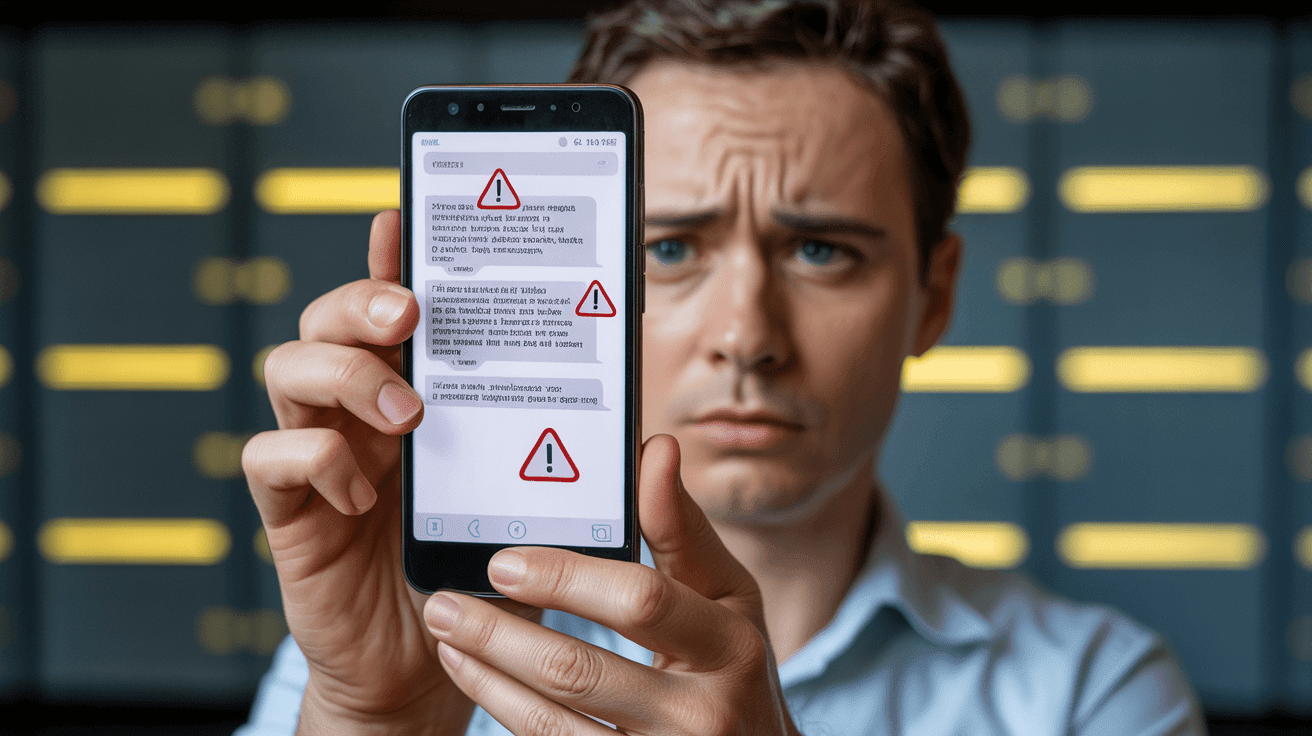
Fake text messages usually take the form of urgent security warnings. The content may suggest that the user's account has been blocked due to "suspicious activity," requires "immediate identity verification," or is threatened for other reasons. The message contains a link leading to a website that visually looks identical to the official Binance site, but is actually a clever copy of it.
After clicking on the link, the victim lands on a fake login page, where they are asked to provide their username, password, and often also a two-factor authentication code. At the moment they enter this information, the scammers immediately gain full access to the real account and can withdraw all assets stored there. The entire process takes just a few minutes, and the consequences can be catastrophic for the wallet owner.
What is particularly dangerous is that some versions of this scam use social engineering techniques, creating time pressure. Messages suggest that a lack of immediate response will result in permanent loss of access to funds or account closure.
Why are these scams so effective?
Cybercriminals invest significant resources in preparing convincing copies of official websites. They impersonate well-known domains, adding slight modifications that are difficult to catch at first glance – for example, instead of "generallink.top" they use "binnance.com" or "binance-verify.com". For an unsuspecting user, the difference is practically undetectable, especially when they are acting in a hurry, worried about the content of the received message.
Additionally, scammers take advantage of the fact that many people do not carefully check URLs before entering their information. In a world where we receive dozens of notifications from various platforms every day, it is easy to fall into the trap of an apparently routine verification message.
How to recognize a fake SMS?
Binance never sends SMS messages asking you to click a link to log in or provide authentication data. This is a fundamental rule to remember. Official messages from the exchange may contain information about transactions, withdrawals, or changes in security settings, but they will never require immediate action through the link provided in the SMS.
Pay attention to several important warning signs. First, check the sender's number – does it look official? Scammers often use random numbers or those that only resemble those used by Binance. Second, analyze the message content for language errors, unusual phrases, or overly alarmist tones. Professional companies care about the quality of communication and do not employ excessively aggressive techniques.
However, the most important thing is to thoroughly check the URL before entering any data. If you receive a suspicious message, do not click on any link. Instead, open your browser and manually type in the official exchange address, then log in directly.
What to do when you receive a suspicious SMS?
If you encounter a message that seems suspicious, follow a few simple steps. First, do not click on any attached links and do not respond to the message. Then report the incident directly to the Binance support team via the official app or website – you can do this through the help section or live chat.
If you suspect that you have fallen victim to a scam and entered your information on a fake website, act immediately. Change your Binance account password, update two-factor authentication settings, and check your transaction history. If you detect unauthorized operations, contact the exchange's technical support and consider reporting the case to the police or CERT Polska.
How to protect your cryptocurrencies?
The basis of security in the world of cryptocurrencies is awareness of threats. Activate two-factor authentication (2FA) on your account – preferably using apps like Google Authenticator or dedicated hardware keys, which are much safer than SMS codes. Regularly update passwords, using unique combinations for each platform.
Also remember the basic rules of cyber hygiene: do not share your login information with anyone, including those claiming to be customer service representatives. Binance will never ask you for your password or 2FA code over the phone, email, or chat. Maintain a healthy skepticism towards any unexpected messages urging immediate action.
SMS scams are a serious threat, but the right knowledge and caution significantly reduce the risk of losing funds. Stay vigilant, verify information sources, and always adhere to the principle of limited trust in the world of digital finance.