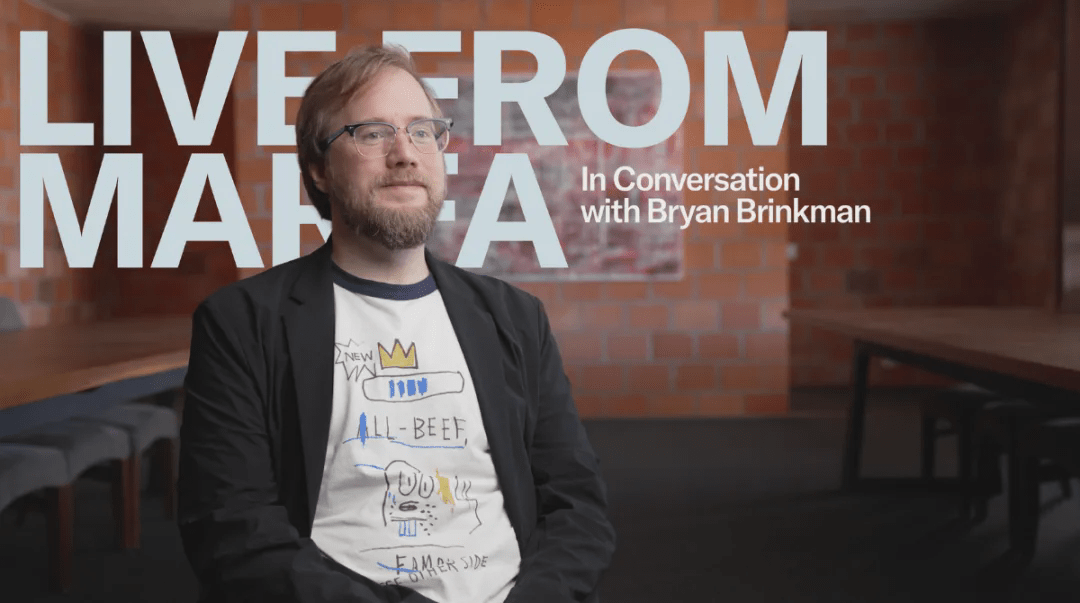
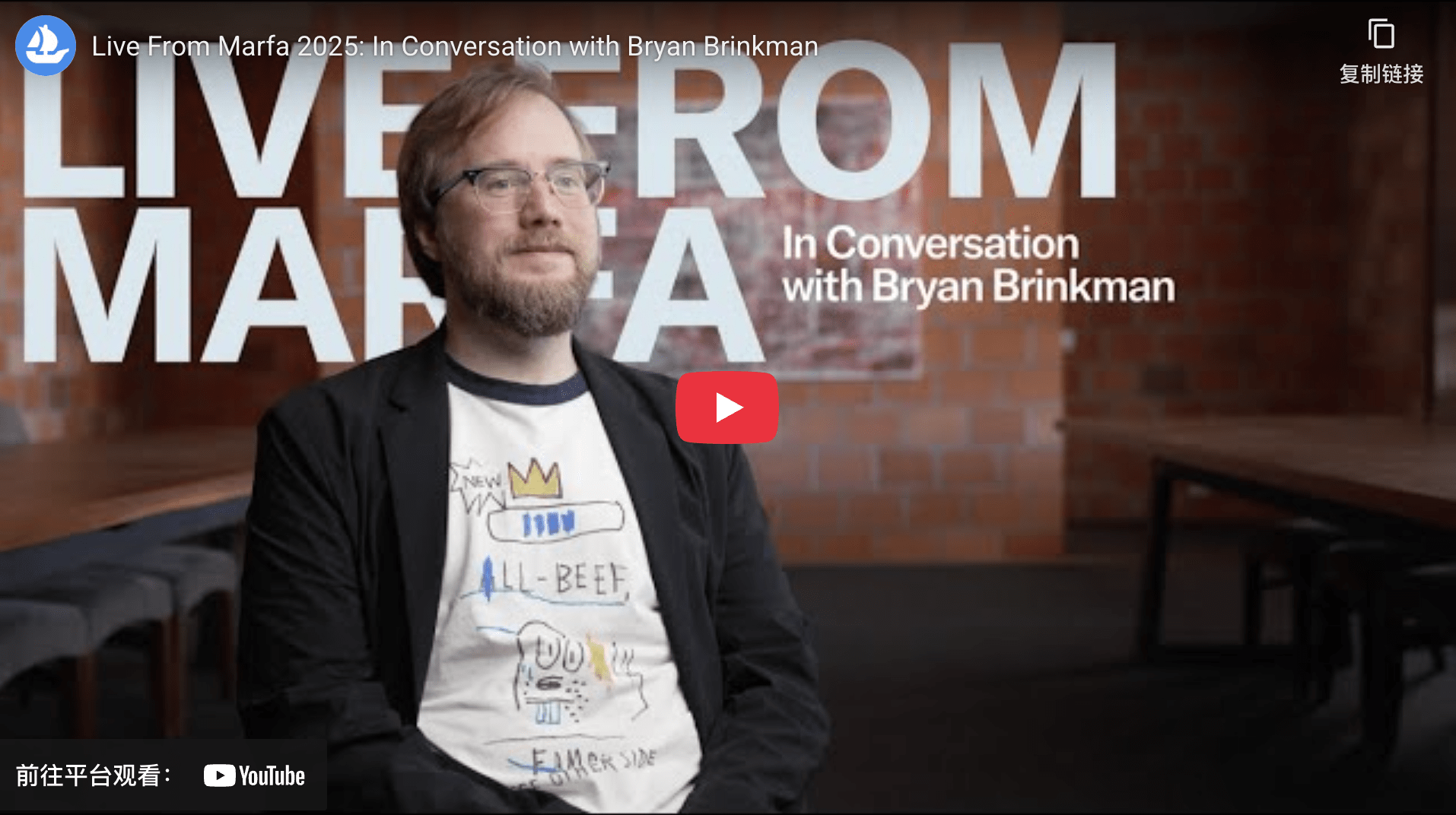
Bryan Brinkman is a multimedia artist whose work spans animation, illustration, generative 3D, and more. He has served as a producer on television shows such as Saturday Night Live and The Tonight Show, bringing extensive television experience and a deep understanding of storytelling and audience engagement into the realm of digital art.
His recurring imagery and vibrant visual language interpret the ever-evolving creative landscape, while projects like BrinkWorks explore new models for sustaining artistic freedom and community.
The interview took place in the lobby of the Hotel Saint George during the Marfa Art Blocks weekend, where Bryan Brinkman reflected on the challenges of creative sustainability and digital permanence, as well as the significance of his first involvement with the Marfa community.
Note: For brevity and clarity, this interview content has been edited.
OpenSea:
Let's start by introducing yourself briefly.
Bryan Brinkman:
Hello everyone, I am Bryan Brinkman, a digital artist, curator, and developer in the web3 space. My artistic creations integrate multiple media. I like to think of myself as a multimedia artist, blending animation, illustration, generative 3D, and other elements I love.
I create engaging stories that recount my experiences in this field, what I have learned, and how this field has influenced me and others.
OpenSea:
You transitioned from (Saturday Night Live) and (The Tonight Show) to being a full-time digital artist. How did your experiences in television influence your ability to create works that resonate with audiences?
Bryan Brinkman:
My experiences in the television industry, whether on (Saturday Night Live) or in Jimmy Fallon's work, taught me a lot about how to create art that resonates with audiences and how to create content around those works to promote them. These shows have main programs, but usually, audiences also watch some short and engaging content outside the main program.
What I learned is how to effectively use Twitter to talk about my work, not just showcase it but also to tell why I created these works, the creative process, and how to help people establish a deeper connection with the works.

OpenSea:
Your animations, generative works, and prints all feature clouds, wires, and neon colors. What ties all your styles together?
Bryan Brinkman:
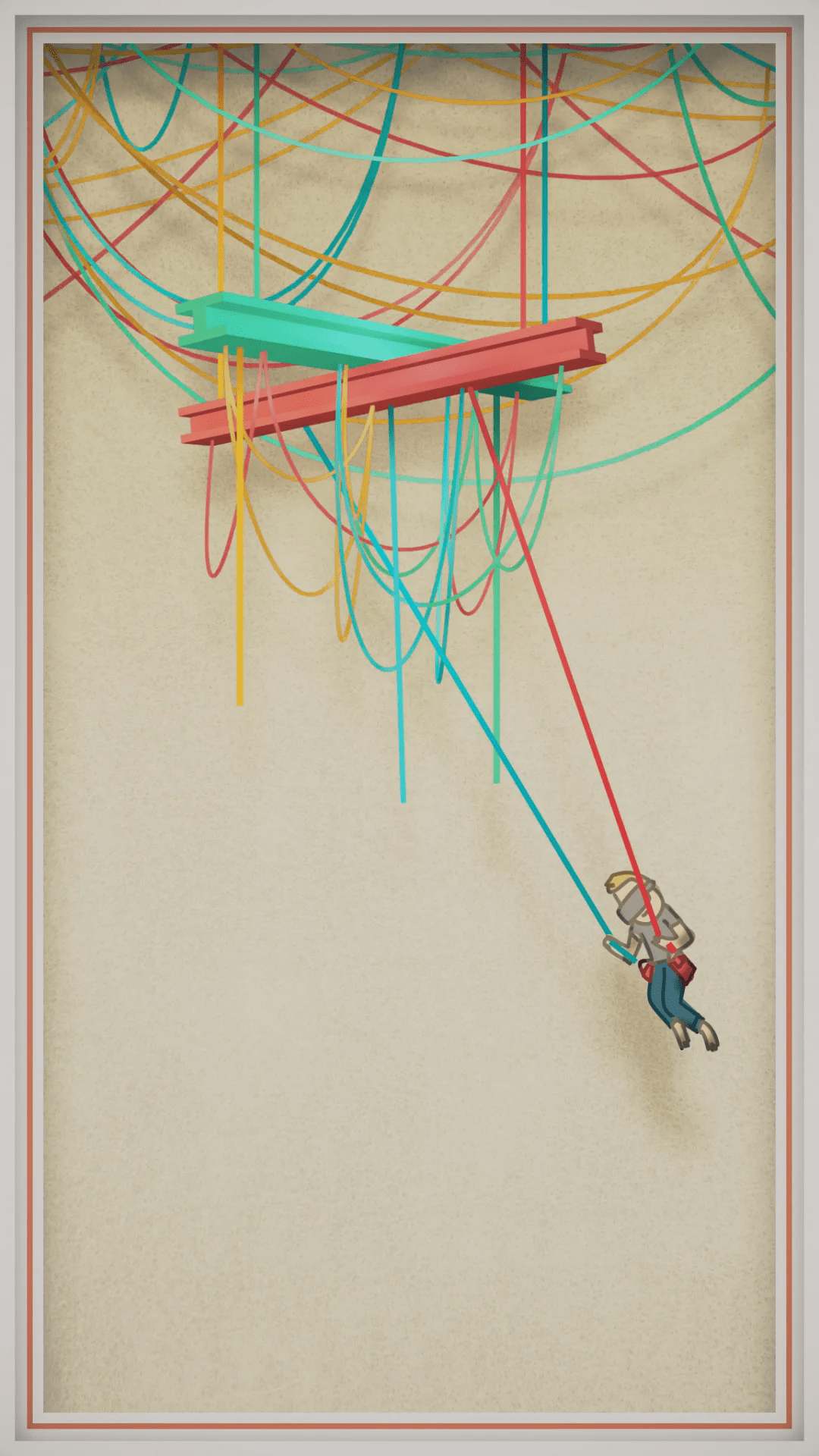
Many of my works feature recurring images, themes, and symbols—sometimes wires connecting them, sometimes clouds, sometimes colors. From the start, I wanted to use these simple images to convey ideas about the web3 space and then build scenes with them to tell stories.
If I try different media, whether it's AI, generative creation, or any other medium, these symbols and colors can connect them, creating a coherent whole from my artistic creations over the past five years.
OpenSea:
You once said not to rely on a single collector group. What do you think is a wise way for artists to build their audience currently?
Bryan Brinkman:
When thinking about audiences, spaces, or communities, there are many different collector groups in different regions, and there is some overlap among them. However, overall, the situation is as follows: there are creative art collectors here, ordinal art collectors here, and NBA Top Shot collectors here. How do you create and promote works to reach all of these groups?
If you limit yourself to just one group, you restrict your opportunities to connect with many audiences that might resonate with your art. I find that collaborating with different platforms not only keeps my creative passion alive and allows me to keep trying new things but also exposes me to other collectors who might not be aware of my work.

OpenSea:
In reading some of your articles, I found that you mentioned experiencing professional burnout in both bull and bear markets. Do you have any habits or set boundaries that help you maintain creativity without exhausting yourself?
Bryan Brinkman:
All artists experience burnout; I feel I might have been in a state of burnout throughout my entire artistic career, but I usually do not feel too discouraged by it because ultimately, you can transform that emotion into your work in various ways. Sometimes integrating that frustration into the work can amplify it in an interesting way.
Burnout comes in different degrees: one is unhealthy burnout, and the other is just fatigue from constant creation. Last year, I created a project called 'BrinkWorks' to establish a healthier creative rhythm, allowing me to pre-sell works for the upcoming year.
One hundred collectors prepaid and provided refund options and some other guarantees, allowing me to focus on creation without worrying about the release of the next batch of works. I can concentrate on creating what I find interesting and exciting while connecting with those who want to support me.
OpenSea:
Have you seen anyone do this before, or did you come up with this idea yourself?
Bryan Brinkman:
The inspiration for this concept came from another artist who collaborated with 12 collectors on a project called 'The 12', and it was also inspired by Rhynotic's Token Works project.
I collaborated with Adam (Rhynotic) to create BrinkWorks in a similar model, running a year-long project funded by ourselves, allowing collectors to exit at any time and retrieve their rightful shares.
OpenSea:
How many people applied for refunds?
Bryan Brinkman:
Only one person out of a hundred applied for a refund; they encountered an emergency and needed their money back. That is the reason for the refund.
OpenSea:
Given the rapid development of technologies such as generative art, digital art, and on-chain art, how do you view 'permanence'? What does 'permanence' mean?
Bryan Brinkman:
In this field, the permanence of works is one of the issues that has not yet been fully resolved. This is indeed tricky, especially for animations, videos, and large-file-size artworks. We have seen some solutions, such as using secondary storage (L2). I enjoy doing on-chain work, but that actually only applies to code and very small files, like ordinals. The challenge in the coming years is that the platforms hosting artworks will start to go down.
We need to find ways for artists to repackage or reissue their works in a more robust manner. Many of the artworks we publish are stored on IPFS. As an artist, I have preserved every piece I have created; that is all I can do, but I hope collectors will also start considering this and add extra safeguards. Over time, the challenge is that these artworks are very fragile, some may get damaged, but as long as artists have a long-term creative intention, they will find solutions for restoration.
I have always felt that as long as I am alive, I can restore these artworks. That is my lifelong assurance. I hope that after my death, there will be heirs or a foundation to continue addressing these issues. This is something we must continually focus on and seek solutions for to ensure the permanent preservation of artworks.
OpenSea:
My last question is about your feelings in Marfa. What does being with this group this weekend mean to you? Did it inspire you? Did it change your plans for the year? Or for you, was it just an interesting social experience?
Bryan Brinkman:
This is my first time in Marfa, and I have only experienced it for a day, so I am still familiarizing myself with the environment. I am deeply inspired. What I like most here is that, unlike some overly polished exhibitions, the booths set up by the artists feel more natural and real, like a flea market, and the audience is great.
People have been saying this for five years, but it is indeed hard to get here. Once you arrive, it feels like a relief, and everyone resonates with the fatigue of the journey. I think it is this shared feeling that immediately creates a connection among everyone.
OpenSea:
Before we finish this interview, is there anything else you would like to share with us? Or what work are you currently engaged in?
Bryan Brinkman:
I have mentioned BrinkWorks before, so this is the project I am currently working on. The beauty of BrinkWorks is that I don’t have to do any promotion for a year.
Specifically, I created five new pieces from which collectors can choose their favorite. This is the way the first batch of works is released, all based on personal preferences and thematic timing. More popular works will have a higher release volume, while less popular works will be rarer. I look forward to seeing which pieces people like, but I am satisfied with all of them.
OpenSea:
Thank you very much for your participation; this event is great.
Bryan Brinkman:
Thank you.
Disclaimer: This content is for reference only and should not be considered financial or trading advice. Mentioning specific projects, products, services, or tokens does not constitute endorsement, sponsorship, or recommendation by OpenSea. OpenSea does not guarantee the accuracy or completeness of the information provided. Readers should verify any statements in this article before taking any action, and it is the reader's responsibility to conduct due diligence before making any decisions.
Content OpenSea cares about
Browse | Create | Buy | Sell | Auction

Collect and follow OpenSea Binance channel
Stay updated