
When I started studying the Dusk Network more closely, one thing became very clear to me: it doesn't aim to compete with generic blockchains. The focus isn't to be the fastest, the cheapest, or the most 'noisy.' Dusk was born to solve a specific, real, and underexplored problem in the crypto ecosystem: how to bring regulated financial assets onto the blockchain without sacrificing privacy, compliance, and institutional structure.
This perception completely changed the way I began to view the project.
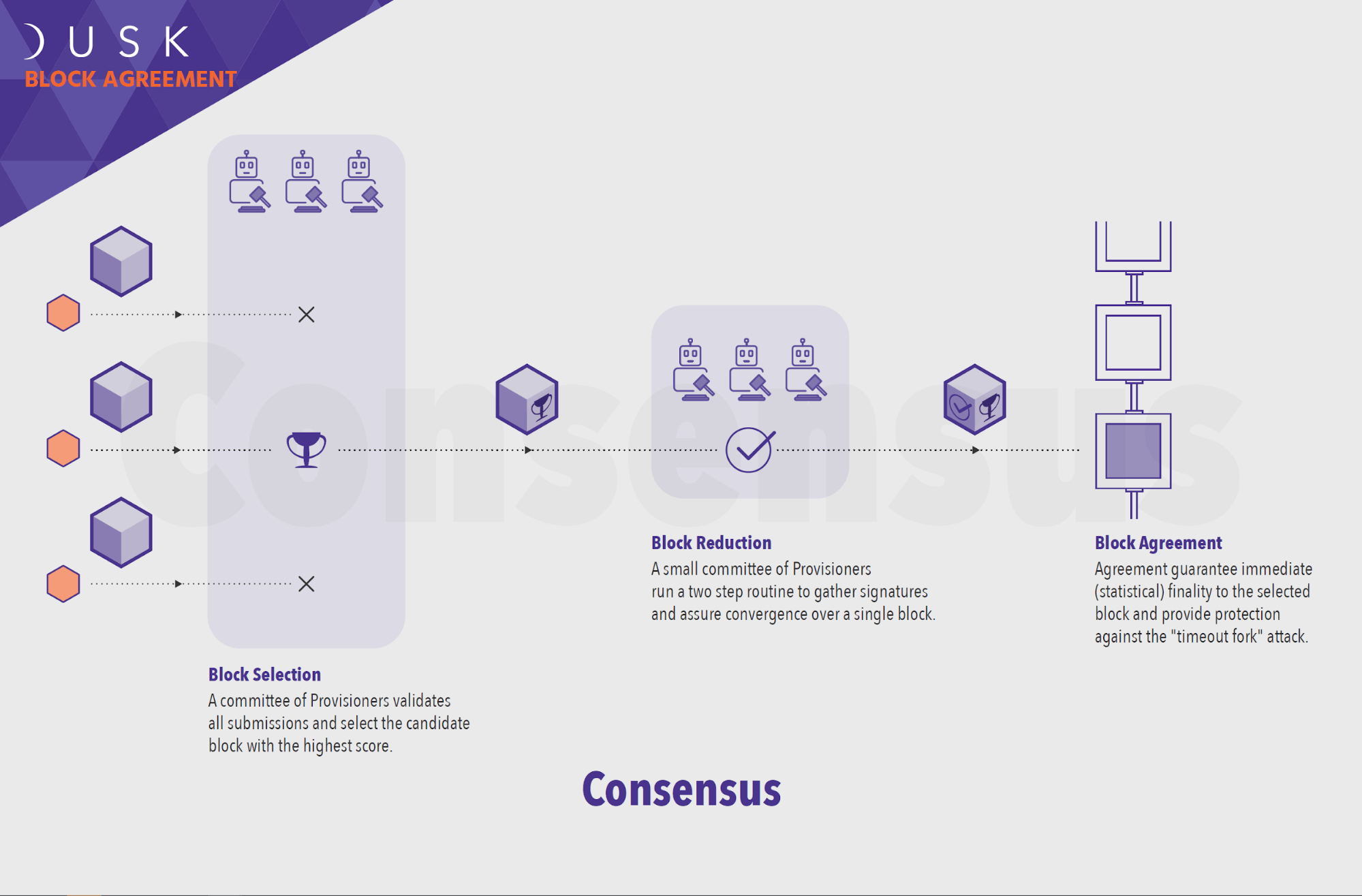
The problem that Dusk decided to tackle
Much of the public blockchains were designed for open environments, where anyone can see transactions, balances, and interactions. This works well for open applications, but creates a major obstacle when discussing the traditional financial market.
Institutions, funds, companies, and asset issuers cannot simply expose all their operations. There is a real need for confidentiality, selective auditing, and regulatory compliance. It is precisely at this point that Dusk positions itself.
Rather than ignoring regulation, the project starts from the premise that it exists and must be integrated into the blockchain's design.
Privacy not as an option, but as a foundation
One aspect that particularly caught my attention about Dusk is that privacy isn't presented as an additional feature. It's part of the protocol's foundation. The network was built to enable confidential transactions, private smart contracts, and precise control over who can see which information.
This is essential when thinking about financial asset issuance, securities trading, and transaction settlement. Dusk understands that privacy does not mean lack of transparency, but rather transparency under the right rules.
The role of compliance within the network
Another key point I consider central is how Dusk handles compliance. Instead of trying to 'adapt' rules afterward, the protocol is born aligned with common regulatory requirements in the European and global financial sectors.
This allows applications built on Dusk to interact with the real world. We're not talking just about theory, but about an infrastructure that can be used by companies needing clear standards, reporting, and audits.
In practice, this opens space for real-world asset tokenization, digital financial instrument issuance, and the creation of more efficient secondary markets—all within a blockchain designed for this environment.
DUSK token as a functional piece of the ecosystem
The DUSK token doesn't appear merely as a speculative asset. It has a clear role within the network, used for security, economic incentives, and protocol operation.
This clarity of function is something I highly value. When the token is directly tied to the network's operation, the ecosystem tends to develop in a more sustainable way, with incentives aligned among users, validators, and developers.
Why I see Dusk as a bridge, not a rupture
Looking at the market, many projects try to 'replace' the traditional financial system. Dusk follows a different path. It acts as a silent bridge between two worlds: the traditional financial world and decentralized infrastructure.
This approach seems much more mature to me. Instead of confrontation, there's integration. Instead of total rupture, there's evolution. The blockchain stops being an isolated experiment and becomes a technological layer applicable to real-world problems.
My conclusion after studying the project
After analyzing the structure, goals, and proposal of the Dusk Network, I now see it as an infrastructure that doesn't seek immediate attention, but consistent adoption over time.
Such projects typically don't grow through exaggerated promises, but through real use, strategic partnerships, and practical applications. For me, this is the kind of foundation that supports lasting ecosystems.
Dusk doesn't try to reinvent everything. It aims to do one specific thing—and do it well.
@Dusk #dusk $DUSK
