


Walrus shows up the moment Sui execution needs bytes to behave like obligations, not suggestions.
Sui moves fast, mostly because it refuses to pretend everything touches everything else.
Objects live alone. Transactions collide only when they have to. Validators parallelize work because the execution model lets them stop waiting on strangers. That is the visible part thoug.
What usually gets skipped is what happens the moment execution wants memory.
Not cache. Not a convenience URL someone swore was “temporary.”
Actual bytes that have to outlive a transaction, survive retries... and still mean the same thing when a different validator shows up later and asks questions.
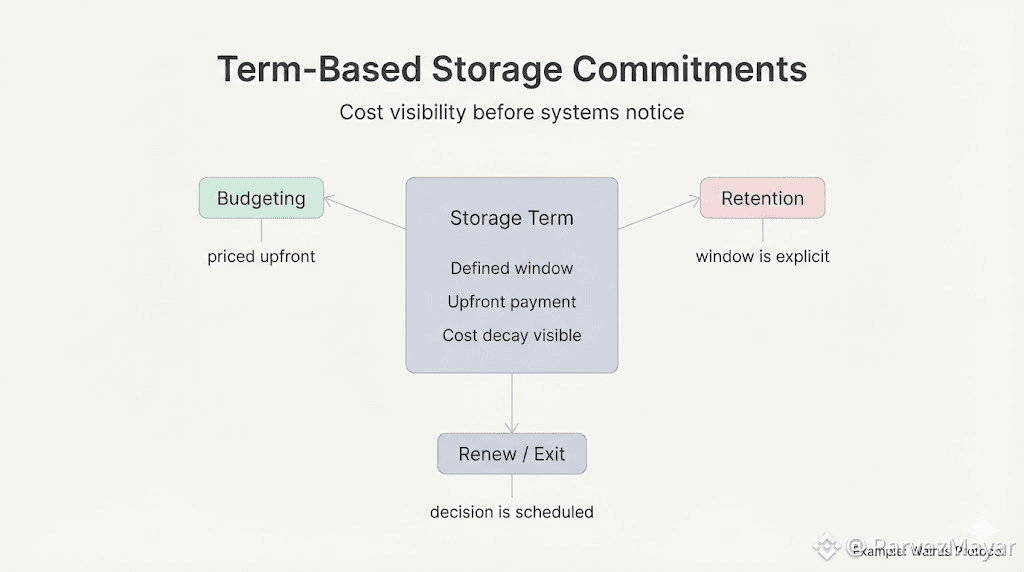
Sui’s object model is ruthless about ownership. Either you have the object, or you don’t. Either the version matches, or the transaction doesn’t land. That discipline wobbles if the data those objects point at behaves like a best-effort backend. Parallel execution has very little patience for “probably there".. At some point the blob has to cross a line and stay crossed.
That is where Walrus $WAL ends up sitting. Not because it’s elegant. Because the alternative turns into everybody arguing about ghosts.
Not a database behind the chain. A coordination surface you can point at when something downstream gets uncomfortable. A transaction does not just wave at data and hope. It leans on a commitment that survived validator scrutiny and repair churn. The object graph stays clean because the messy parts already settled somewhere else, earlier, where time could stretch without blocking execution.
Routing stops being hypothetical the first time two validators are doing their jobs in parallel and one of them hits a reference that’s “there” in the UI sense, but not there in the obligation sense. No receipt. No availability commitment. Just vibes and a green toast.
Validators on Walrus dont want to argue about bytes. They want to argue about receipts. Did this blob meet the threshold. Did the obligation actually start. Is this reference safe to rely on, or am I about to stall my lane waiting on someone else’s problem.
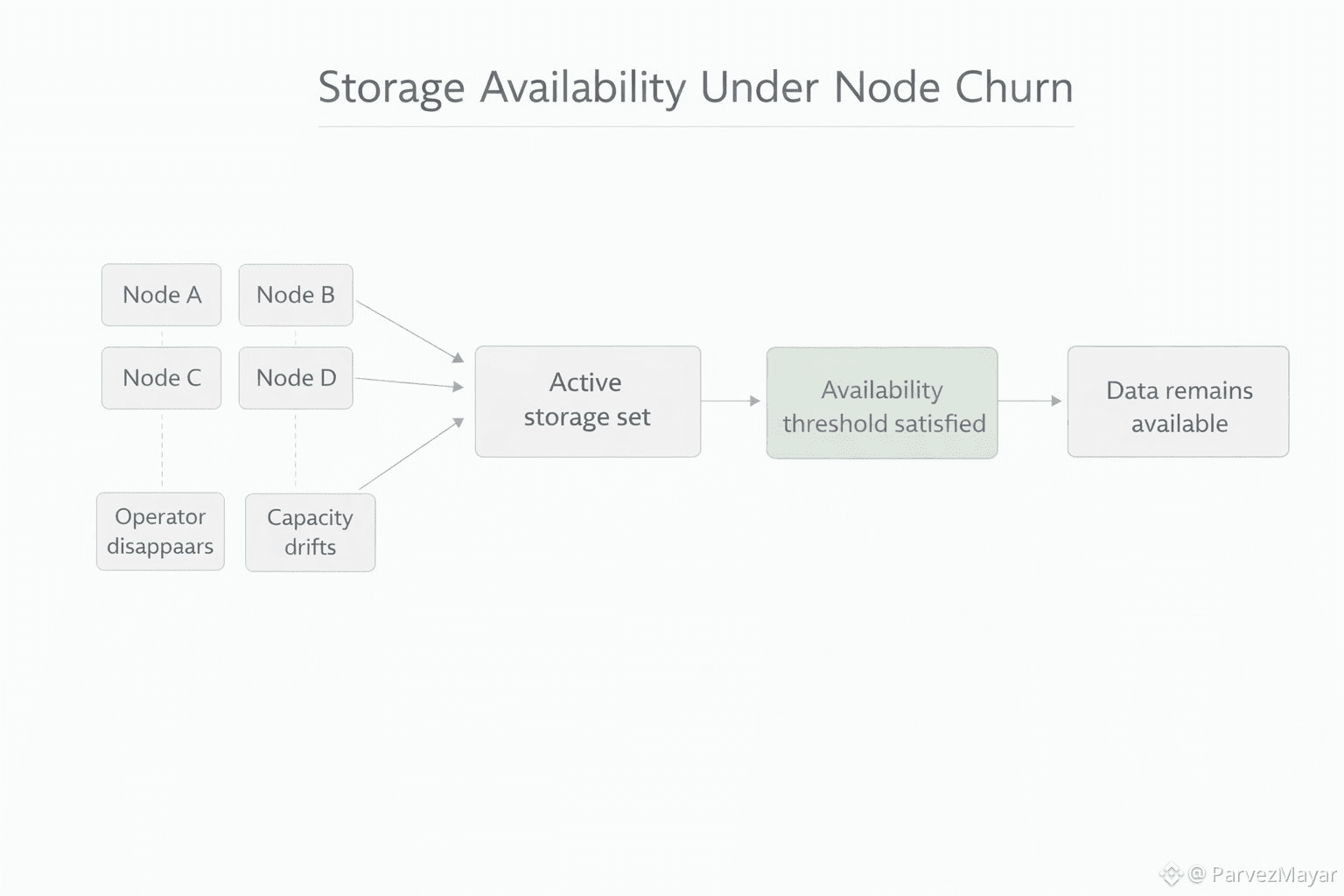
Walrus carries the long-tail work ... distribution, repair, reconstruction, so execution doesn’t have to pretend storage is synchronous. Validators interact with proofs, not payloads. Parallelism holds because storage is not asking to be treated like memory.
And a bunch of old habits start failing quietly. “Temporary” URLs get less temporary than advertised. UIs racing ahead of settlement get punished in production. Data stops behaving like decoration and starts behaving like state.
Then you’re back at the only question that is important though, usually too late and with too much traffic:
did the blob ever cross the line... or did you ship on "probably" and call it done.