
Exploring how Plasma technology promotes the efficient development of the blockchain ecosystem
 Since the birth of blockchain technology, it has triggered significant transformations in fields such as finance, supply chain, and data storage. However, as blockchain applications continue to expand, addressing the scalability issue of blockchain has gradually become a core challenge in the industry. In response to this issue, Plasma, as an important second-layer scaling technology, is gradually becoming one of the key solutions to address the current bottlenecks in blockchain, thanks to its efficient design and innovative architecture.
 Plasma is a second-layer scaling solution for Ethereum that effectively reduces the load on the main chain (i.e., the Ethereum main chain) and improves overall transaction processing speed by transferring some transactions to side chains (Plasma chains) for processing through the creation of child chains. Its core idea is to decentralize the computation and data storage of the blockchain across different child chains through a 'multi-level chain' structure, achieving more efficient transaction processing. This design can significantly lower transaction costs, increase throughput, and enable the blockchain to handle more user demands.
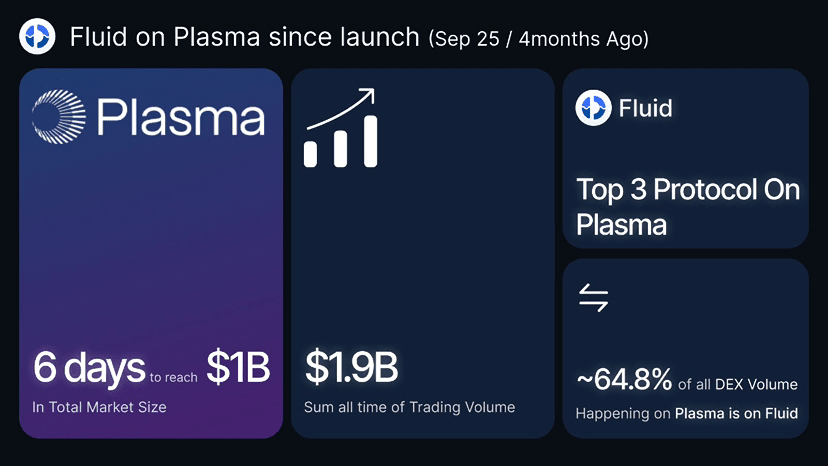 In today's rapidly growing blockchain applications such as DeFi (Decentralized Finance) and NFT (Non-Fungible Tokens), Plasma technology shows great potential. Through Plasma technology, the Plasma ecosystem can not only handle large-scale transaction requests but also provide more stable and low-latency support for decentralized applications (dApps). More importantly, the Plasma chain can ensure the safety of user funds through the 'exit mechanism' with the main chain, so even when issues arise in the child chain, users can still rely on the main chain to safeguard the integrity of their assets.
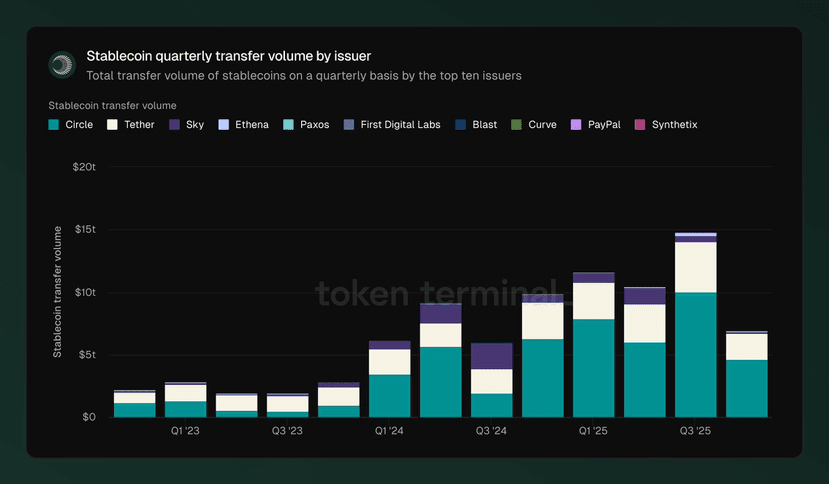 Currently, the core token of Plasma, $XPL, is a key component of the Plasma project ecosystem. It serves not only as the governance token of the Plasma chain but also incentivizes the validation nodes of the Plasma network. Users can participate in the governance voting of the Plasma network by holding and staking $XPL, determining the future development direction of the platform. In addition, the Plasma team is actively promoting the liquidity of $XPL and its interoperability with other blockchain platforms to foster the healthy development of the entire ecosystem.
 Through Plasma technology, blockchain projects can achieve more efficient scalability, reduce operating costs, and not sacrifice the principle of decentralization. This makes Plasma an ideal choice for many blockchain projects, especially in scenarios facing massive transaction demands. Whether in building more robust decentralized financial applications or providing a more efficient trading system for the NFT market, Plasma has demonstrated significant technological advantages.
 As part of the Plasma ecosystem,@Plasma The team is not only continuously optimizing the technical architecture but is also collaborating with multiple blockchain projects globally. In the future, with the continuous iteration and development of Plasma technology,$XPL its value is also expected to usher in a new leap. For investors, Plasma is not just a technical solution but represents the hope of the future blockchain ecosystem.