

Imagine a developer building a next-generation game. The world is immersive, characters move in real time, and players own their items on-chain. On paper, it’s decentralized. But in reality, the game lags, transactions are slow, fees spike, and large assets have to be stored off-chain. The blockchain wasn’t built for this kind of experience, so the developer spends more time fighting limitations than creating.
This is the situation many Web3 builders face today. Games feel clunky. Metaverse worlds struggle to scale. AI and media platforms can’t store or move data efficiently on-chain. What’s meant to feel futuristic ends up feeling fragile and centralized behind the scenes.
Vanar Chain changes that story.
Instead of adapting high-performance apps to slow blockchains, Vanar was built the other way around. It’s a high-speed, low-cost Layer-1 designed from the ground up for gaming, AI, immersive media, and real-time digital worlds. Transactions finalize quickly. Latency stays low. Fees remain predictable. Apps run smoothly, closer to Web2 performance, without giving up Web3 ownership or transparency.
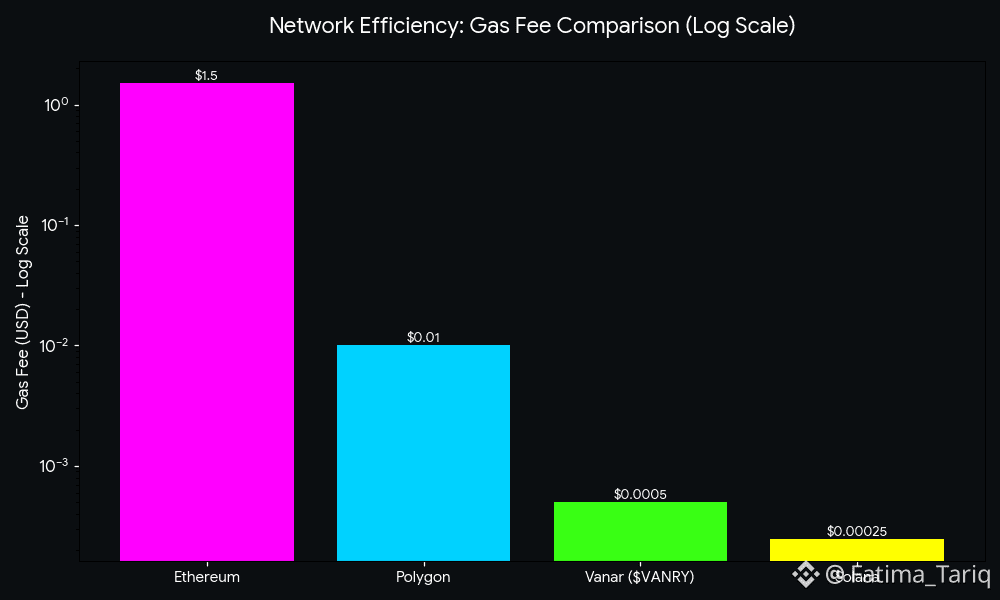
For builders, this means freedom. They can create complex, real-time experiences without worrying about congestion or hidden infrastructure hacks. For users, it means apps that feel fast, responsive, and reliable. And for everyone, it means assets that stay on-chain, verifiable, and truly owned.
In this story, blockchain is no longer the bottleneck. It becomes the backbone.
That’s what Vanar solves — and why it isn’t just another chain, but infrastructure built for how modern digital experiences actually need to work.
