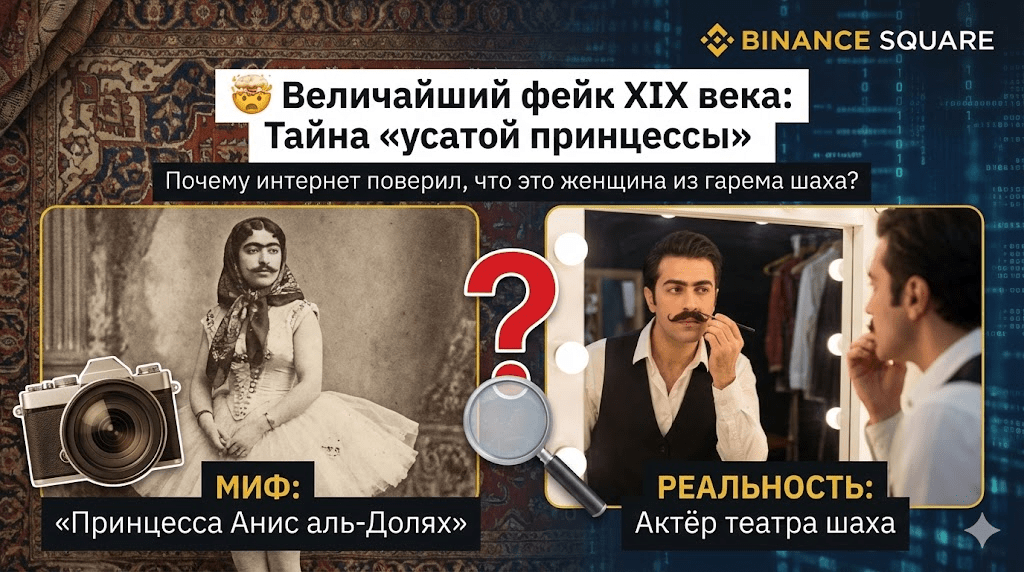
🤯 You have definitely seen these photos in your feed. They pop up on social media with enviable regularity, accompanied by captions like ‘Victims of 19th Century Beauty’ or ‘Specific Tastes of the Eastern Ruler’. From black-and-white photographs, hefty figures in ballet tutus gaze at us, with thick unibrows and prominent mustaches. The internet has long dubbed them ‘Iranian princesses’, and the most colorful one—Anis al-Dolakh, the favorite wife of the Shah. Millions of users have been reposting these shots for decades, horrified or chuckling at the ‘harem’ of Naser al-Din Shah. But what if I told you that the story the whole world believes is one of the grandest and most enduring historical memes, having almost nothing in common with reality? Buckle up, the truth is far more interesting than fiction.
The Geek Shah and His Camera
To understand this historical curiosity, one must first justify the Shah himself. Naser al-Din Qajar, who ruled Iran for almost half a century, was anything but a primitive despot with outdated tastes. He was an extremely educated man of his time: he spoke several languages, including French, and was keenly interested in European painting, poetry, and geography.
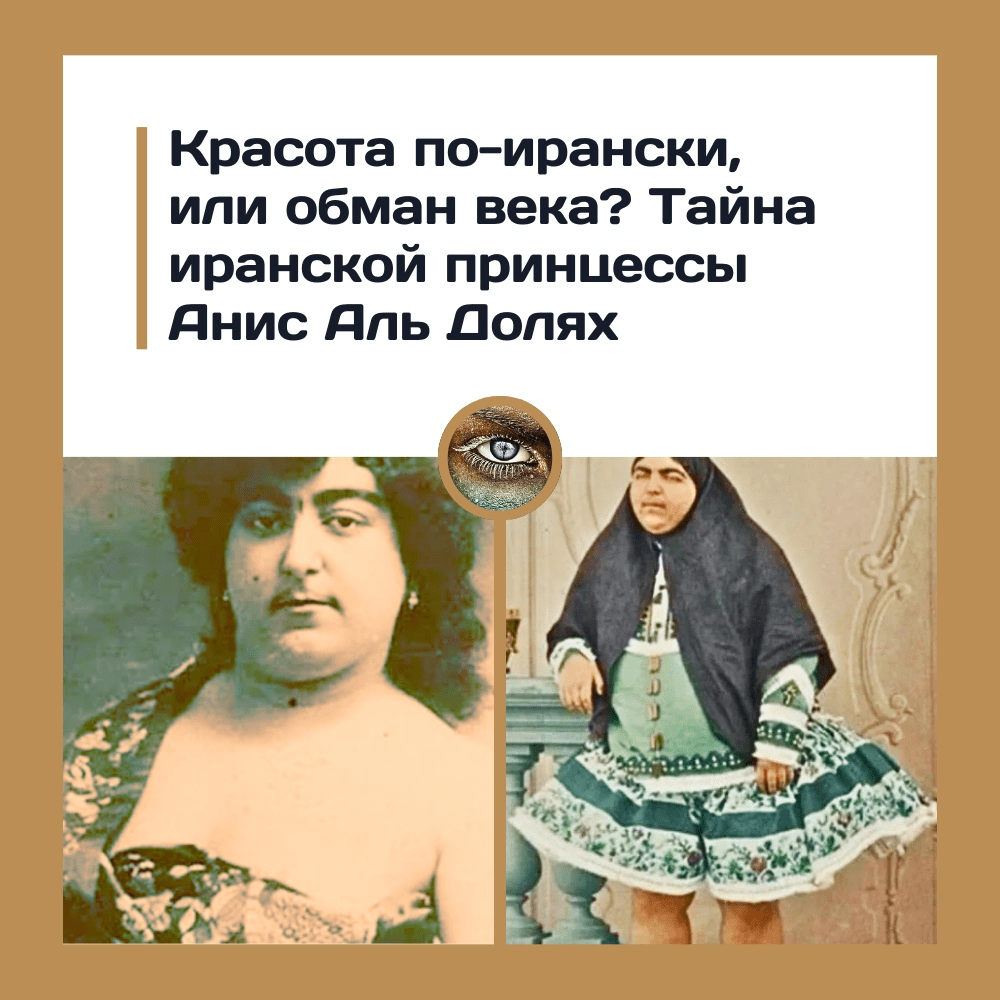
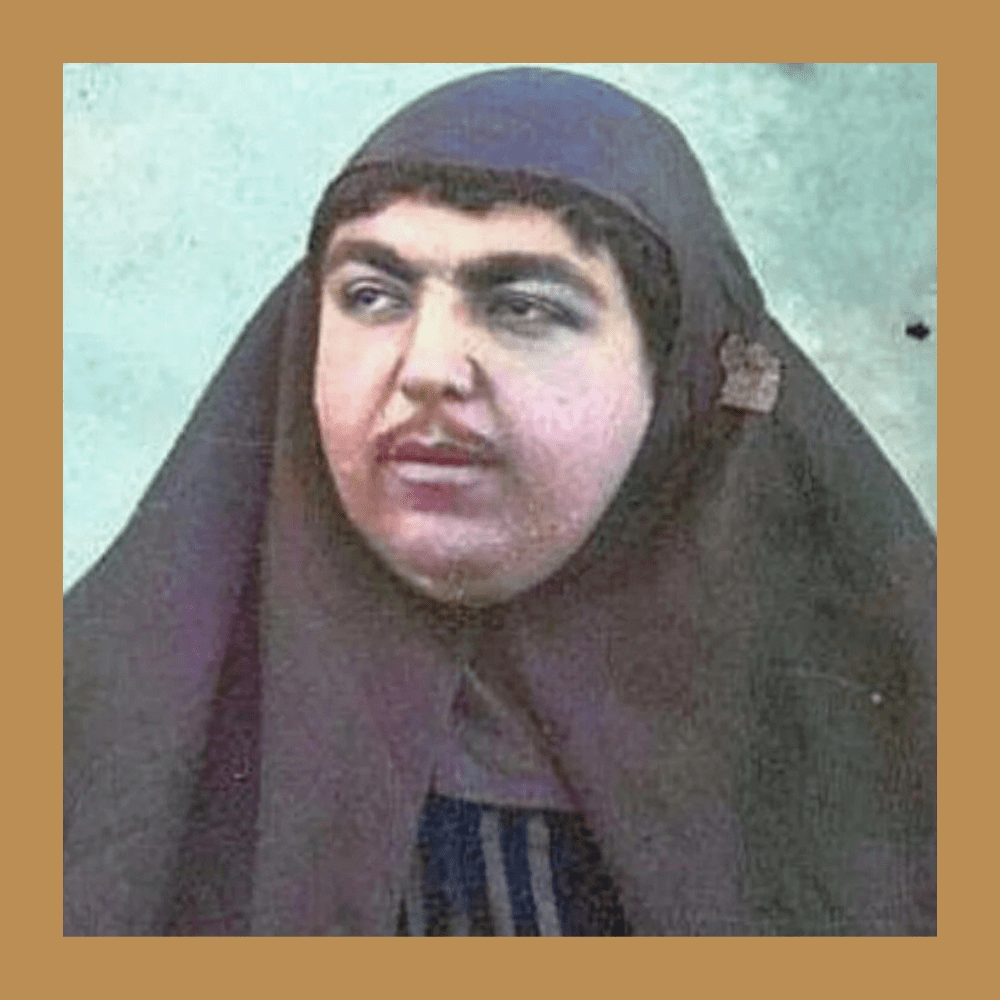
But his main passion was the latest technology of that time — photography. The Shah was a true 'techno-geek' of the 19th century. As soon as he learned about the appearance of daguerreotypes, he ordered equipment and specialists to Tehran. He had his own photo laboratory in the palace, and professional photographers, including Europeans and the famous Sevryugin brothers, worked at the court. The Shah personally documented everything around, including his family and court life.
Where did the mustache come from?
It is important to note the historical nuance: the canons of beauty in Iran during the Qajar era were indeed radically different from modern Western standards. 'Moon-faced' women with thick, connected eyebrows on the bridge of the nose and light fuzz above the upper lip were considered the epitome of attractiveness. Some women even deliberately drew mustaches and eyebrows with kohl to fit the trend.
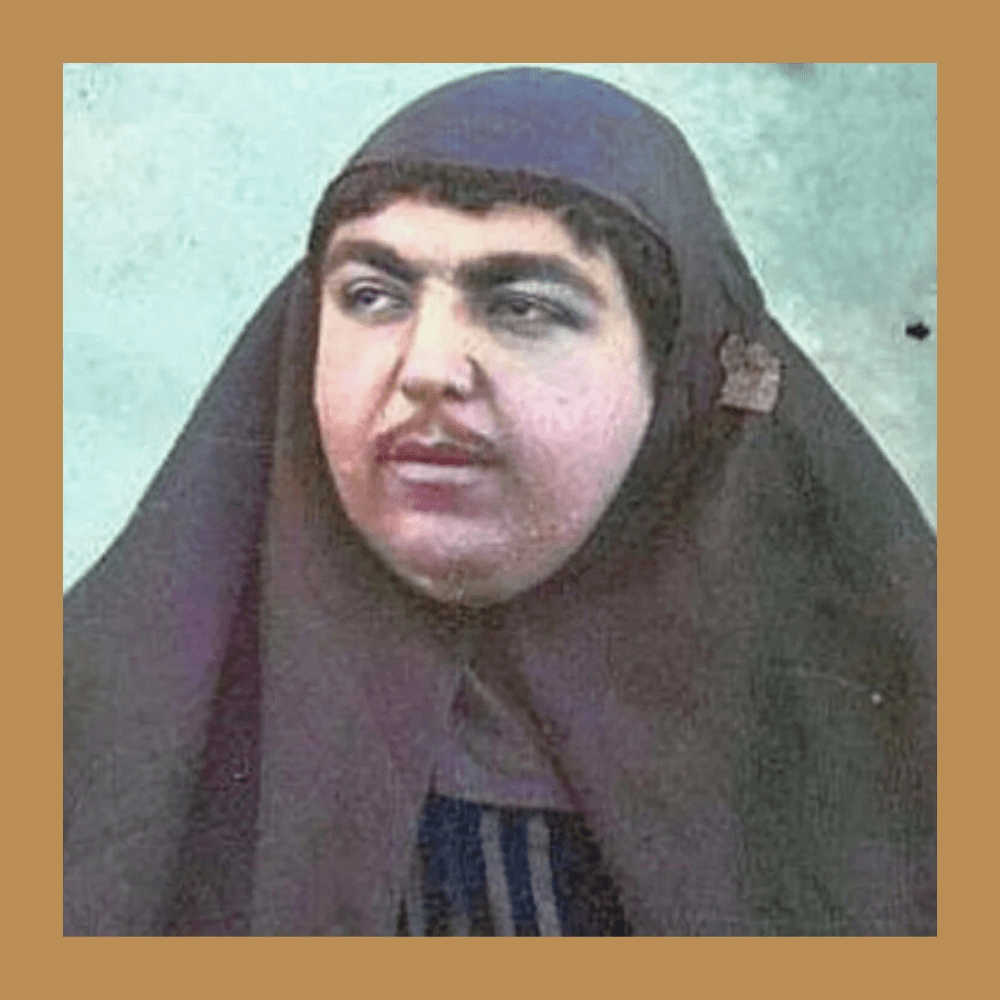
However, those grotesque and masculine images that went viral on the internet go far beyond even these specific beauty standards. And this is where the most interesting part begins.
The main stage image of the century
Historians and photography researchers lean towards a version that turns everything upside down. The famous 'Anis al-Doliah' from viral photos most likely... never existed as a real woman from the harem.
The fact is that the first state theater appeared during the reign of Naser al-Din Shah. This was progressive, but with one caveat: it was strictly forbidden for women to go on stage (this ban was lifted only after 1917). So who played female roles? Right, men.
'Anis al-Doliah' in the most circulated photographs is, with a high degree of probability, a stage image, the name of the heroine of satirical plays about court life, played for years by the same male actor from the Shah's court troupe. What we take for documentary shots of the Shah's wives are, in fact, photographs of actors in makeup and costumes (including those ridiculous ballet tutus that became fashionable at court after the Shah's visit to the Russian ballet).
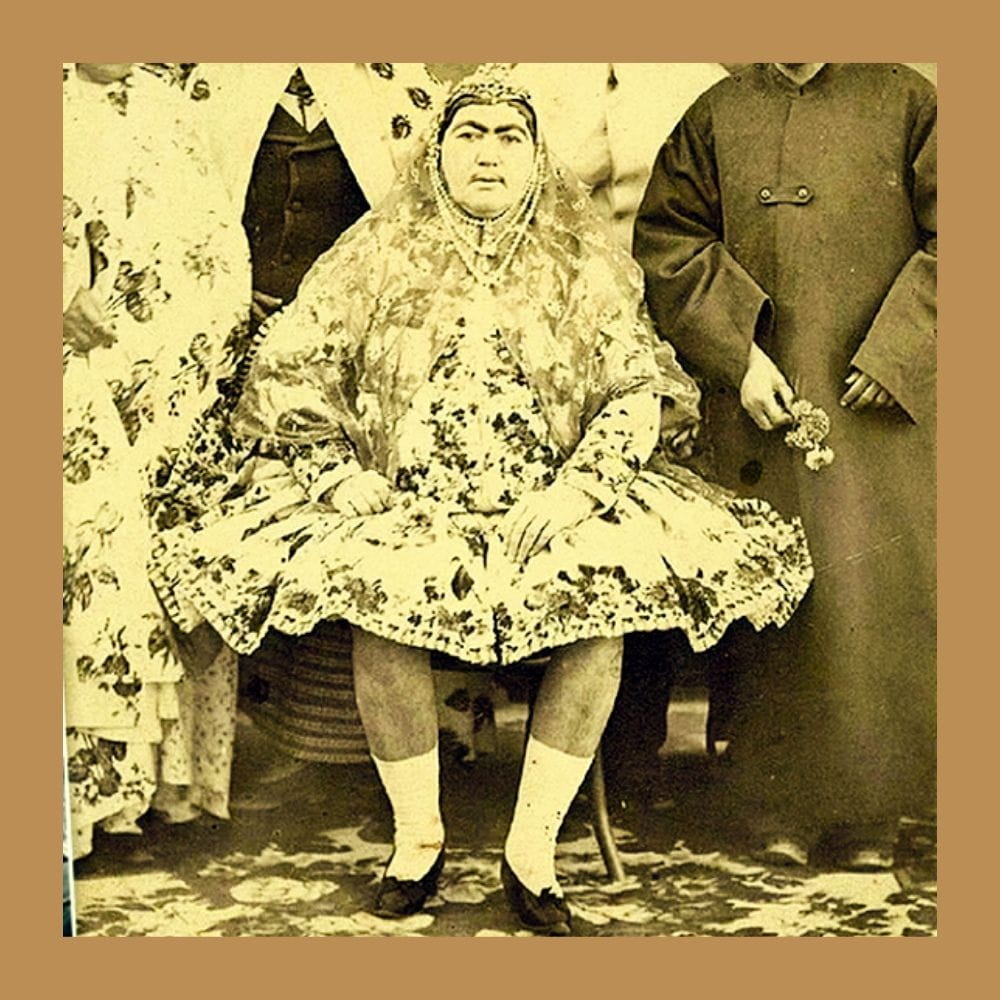
We are looking at 'fake news' from the century before last, which the internet accepted at face value. It is almost as if, 200 years from now, our descendants find footage from a comedic sketch show and decide that this is how real politicians of our time looked.
A history lesson for the digital age
This story is the perfect reminder of how easily illusion can replace reality, and how an out-of-context image becomes 'truth' for millions. In our modern world, overflowing with information, deepfakes, and viral myths, the need for something real, verifiable, and unchangeable is higher than ever.
That is why today many pay attention to technologies that cannot be 'photoshopped' retroactively or forged to please the crowd. Blockchain and cryptocurrencies are becoming that very anchor of objective reality in the raging financial and informational ocean. Perhaps, in an era of global fakes, it is worth having tools in your arsenal that guarantee transparency. Be it the recognized digital gold $BTC and $ETH, the foundation of the exchange ecosystem $BNB, high-speed blockchains like $SOL and $SUI, or even part of modern internet culture in the form of $DOGE and $PEPE. Smart diversification, including infrastructure $POL or private $ZEC, helps maintain balance in a world where even a 'princess' can turn out to be just a talented actor.
#History #Culture #InternetMyths #BinanceSquare #Education