

Walrus isn’t just another decentralized storage protocol. It’s built on Sui and takes things a step further—focusing not just on storing data, but on making sure that data is actually available, intact, and programmable. That’s a big deal if you’re building anything complex on-chain. Traditional decentralized storage mostly just files stuff away. Walrus is about more than that; it’s about making the data usable and verifiable in real time.
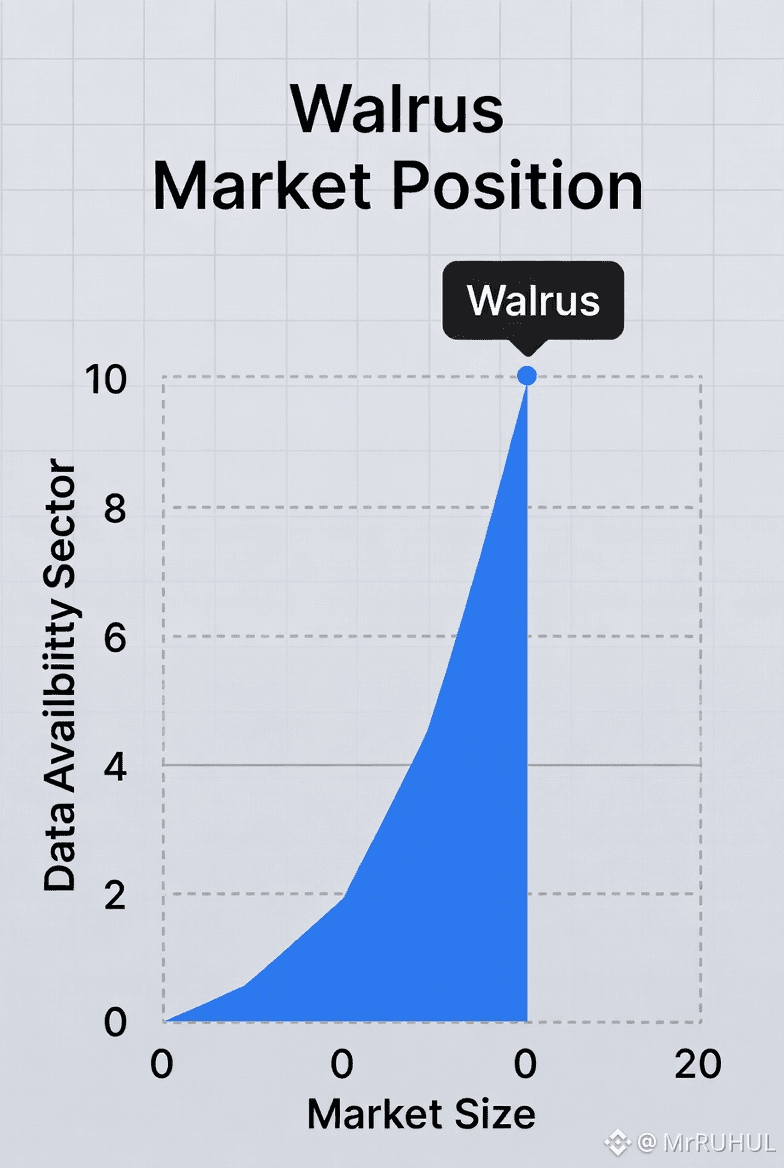
What really sets Walrus apart? It solves a few core headaches that have held back blockchain and Web3. For starters, Walrus uses cryptographic proofs to guarantee data availability. Even if a bunch of storage nodes go down, you can still verify that your data is safe and accessible. There’s no need for a central authority—just math and code making sure everything checks out.
And Walrus doesn’t treat data like dead weight. Once you store something, it becomes a Sui object. Smart contracts can interact with these objects, so you can do things like update NFT metadata on the fly, plug external data into your on-chain logic, or build entire data marketplaces. The data isn’t frozen; it’s alive and programmable.
The economics are smart, too. Walrus runs on a Delegated Proof-of-Stake system. If you hold WAL tokens, you can stake them and help secure the network. Storage nodes earn rewards for doing their job, but slip up and fail to deliver? They get penalized. This keeps everyone honest and the whole system running smoothly.
All this—availability, programmability, strong incentives—makes Walrus way more than a basic storage layer. It’s a data availability layer. That means apps can actually prove that off-chain data exists and is accessible for whatever verification or execution they need. This is huge for stuff like rollups, where you’ve got to show that transaction data is available for anyone who wants to check it, even if it’s not on the main blockchain.
Since launching on mainnet in March 2025, Walrus has started to make real waves. Chainbase, for example, plugged Walrus in to handle decentralized storage for raw data from more than 220 blockchains—over 300 terabytes of it. That’s not just a test; that’s real-world demand from DeFi, AI, and Web3 developers.
There’s also a partnership with Veea Inc. to bring Walrus into their edge computing platform. That means faster, more secure data for companies that need low-latency storage and compliance—think enterprise use cases, not just crypto enthusiasts.
And then there’s Seal—Walrus’s privacy and access-control upgrade. Developers can now set up programmable permissions, gate content with tokens, and build apps that need true confidentiality. This opens the doors for regulated industries and businesses that care about privacy.
The point is, Walrus isn’t just theory. It’s actually getting integrated into the backbone of new digital infrastructure—from AI and analytics all the way to decentralized gaming and edge computing.
Of course, Walrus isn’t alone in this space. Filecoin, Arweave, Storj—they’re all chasing decentralized storage too. But Walrus brings a few tricks to the table. Its Red Stuff encoding slashes storage costs, which matters a ton if you’re dealing with huge AI datasets or video files. And while it’s built on Sui, Walrus is technically chain-agnostic. It can serve ecosystems like Ethereum or Solana through interoperability, which widens its reach.
The real kicker? Programmability. Walrus turns stored data into assets that smart contracts can manipulate. That’s something most competitors can’t match—they’re built for archiving, not for building interactive, real-time applications.
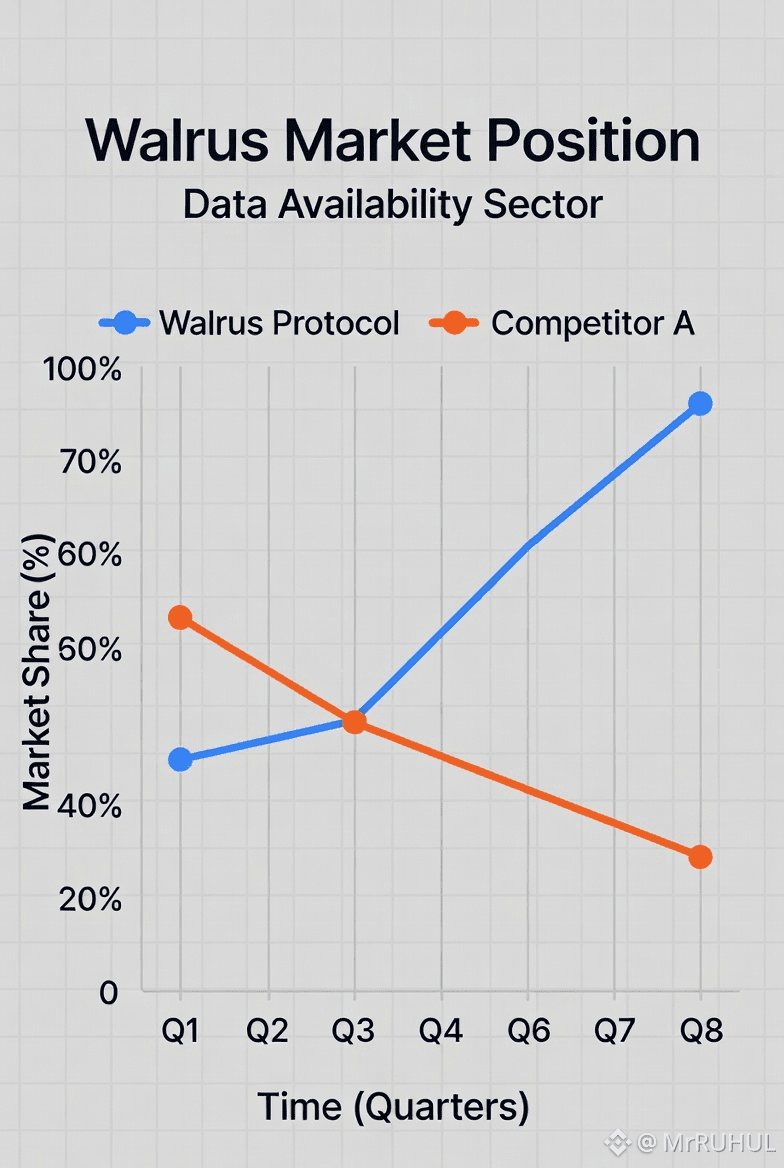
Still, let’s be real: decentralized storage is nowhere near the scale of AWS or Google Cloud. Walrus has to prove it can handle big workloads, grow its ecosystem, and win over developers outside the Web3 bubble. Its future depends on keeping that momentum going and making sure the tech lives up to the promise.@Walrus 🦭/acc #Walrus $WAL



