

@Plasma exists for one simple reason: blockchains like Ethereum were never meant to handle every small action directly on the main network. When every payment, game move, or micro-transaction competes for space on the same chain, fees rise and speed drops. Plasma changes that dynamic.

Instead of forcing Ethereum to process everything, Plasma acts like a side network that does the heavy lifting. Thousands of small transactions happen off the main chain, quickly and cheaply. Once those actions are complete, Plasma sends a compact summary back to Ethereum as proof that everything was done correctly. The main chain doesn’t need to see every detail, just the final result.
This design keeps Ethereum secure while dramatically improving performance. Users still benefit from Ethereum’s safety, but without paying high fees for simple actions. It’s efficiency without compromise.
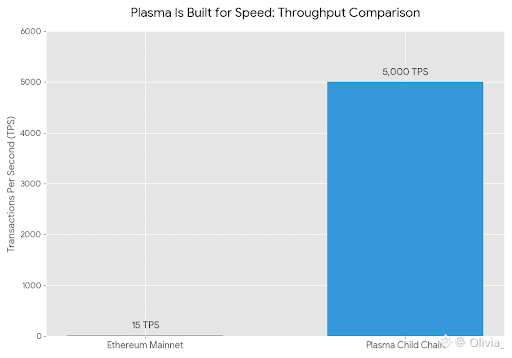
Where Plasma really shines is in use cases that demand speed. Fast payments, in-game transactions, micro-rewards, and interactive apps all require quick confirmations and low costs. Running these directly on Ethereum would be slow and expensive. With Plasma, they feel instant and affordable.
Another key advantage is scalability. As usage grows, Plasma can process more activity without overwhelming the main chain. Ethereum stays focused on security and settlement, while Plasma handles volume. This separation is what makes large-scale adoption possible.
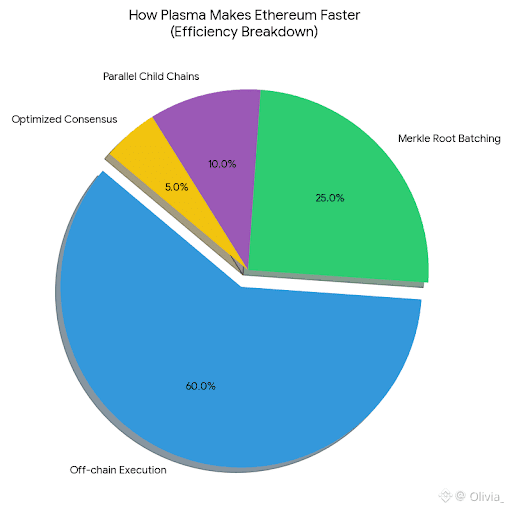
In simple terms, Plasma lets Ethereum breathe. It removes unnecessary congestion, lowers fees, and makes blockchain applications usable for everyday people, not just power users. For payments, games, and high-activity apps, Plasma isn’t just helpful. It’s essential.


