
Plasma does not aim or strive to preserve form. It exists to take command over the modifications at the protocol layer. While most of the other networks in the blockchain space are functioning to provide stability over inner surface level throughput, Plasma chooses to take a different approach. Most legacy chains are built to endure and resist modification and change, optimizing such a chains around predictability, slow growth, and controlled environmental conditions. This design tries to freeze a dynamically changing reality into a corpse of architecture. Plasma whole heartedly rejects this illusion. It is not an anomaly in the computation and in the markets of distributed systems. It is a baseline. Systems pretending otherwise delay their collapse. For constant change, routine failures, and everything else that weak systems cannot endure, Plasma is built for rapid state change, fracture, and motion.
At its core, most of the conventional blockchains are built with the assumption that they need to endure and resist modification. From such a baseline design, Plasma builds around such a core distinction. Most static thoughts are built with the assumption of a compromise of bold aspirations and outdated past era thinking. It is a vastly different design centered around interlaced structures.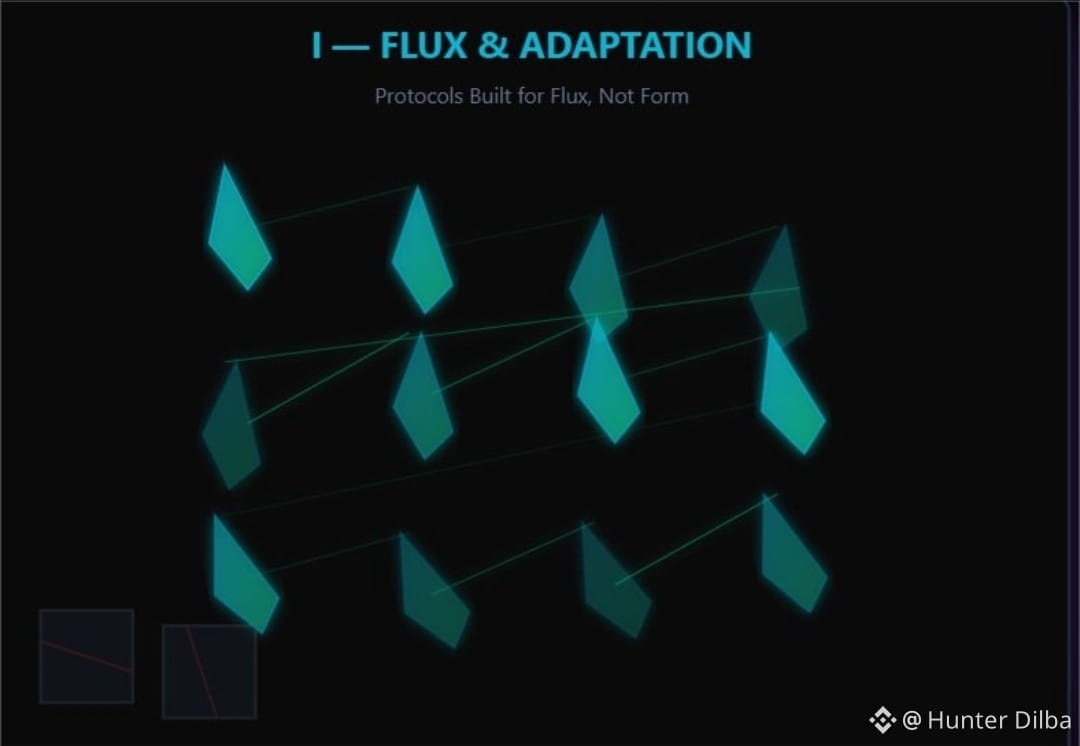
Key Idea
Stability is a liability. Adaptation is the protocol.
At Plasma, we build by default integrating adaptability, Liquid implies breakdowns, adversarial continuation, and violent shifts in usage. Liquid doesn’t resist the bleed; it is a structural advantage. The net result is a protocol that under pressure, becomes more relevant, not less.
The core of Plasma is simple; survival is not a static attribute. It is a continuous negotiation with the environment. Every block is a stress test. Every transaction is a challenge to coherence. Every execution path is a potential fault line. Most designs in the Crypto space do not think of these issues as the norm, but considering and planning for these issues is a sign of excellence. $XPL isn’t speculative, whilst other networks slow down, fragment, or need human intervention, Plasma continues to work autonomously.
This is not aspirational; this is procedural.
This is only possible via the exceptional automated consensus, replication, and verification at the protocol level.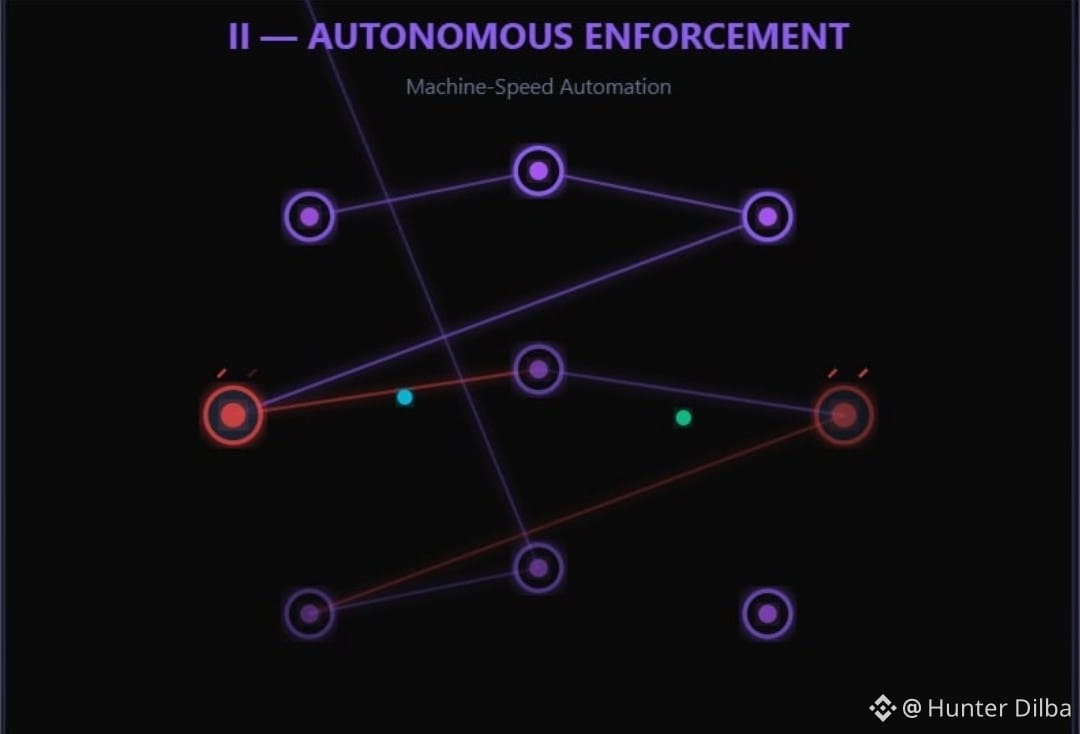
Key Idea
If a system requires humans to survive stress, it is already failing.
Replication means that all system states are preserved on all distributed nodes without the need for any weak points in the network. There are no privileged nodes in a system like this; the absence of such doesn't lead to a failure of the rest of the network. Integrity is checked by verification systems all the time and in real time as performance continues and is checked in ways that adversaries cannot predict like checking for checkpoints. Automated consensus means that all human latency is eliminated and therefore the systems' responses are at the rate of machines. There is no logic and no deliberation. These parameters all combine to create a system that does not just deal with stress, but uses it like fuel.
Plasma is a system that understands the fission and fusion of a system as advantageous. Other blockchains, like Plasma, understand equitable distribution of resources. Other blockchains use rigid and set rules to cover and capture periods of fluidity. Plasma uses rapid resource allocation and equitable distribution as signal-responsive systems to use bottom-up approaches to cover all edge cases for the system, such as load changes, adversaries and system anomalies. These systems use a construct that is created on edge. These systems rely on repeated resource redistribution and reinforcement of all systems through bottom-up approaches of edge systems on systems with bottom-up approaches to cover edge cases. These systems rely on feedback from edge cases.
It works with the intelligence of protocol to prevent loss. This is not bouncing back; this is control through predicative power.
In technical terms, Plasma's ledger is not a record, it is a living document of the current state of the system. State coherence is constantly being reconciled through the nodes, thereby maximizing for cohesion. The ever-present, in the high frequency consensus revisiting, is not a marketing tool. It is a system default required for the state of the system to maintain cohesion in a rapid system flux. Plasma ensures that the state of the system is accurate rather than assumed and is not so comforted to delay the finishing of the state of the system as accurately as needed.
In it, XPL is utility and signal. It rewards state protocol. validated correctly, active, and responsive under pressure. Socially, a misalignment is not tolerated, and economically it is punitive. The system rewards those that bring stability and punishes those that bring drag, latency, and manipulation. This is a self-reinforcing ecosystem. It strengthens decay. The protocol does not depend on governance to create narratives for the discipline to be maintained. The discipline is encoded in the incentives.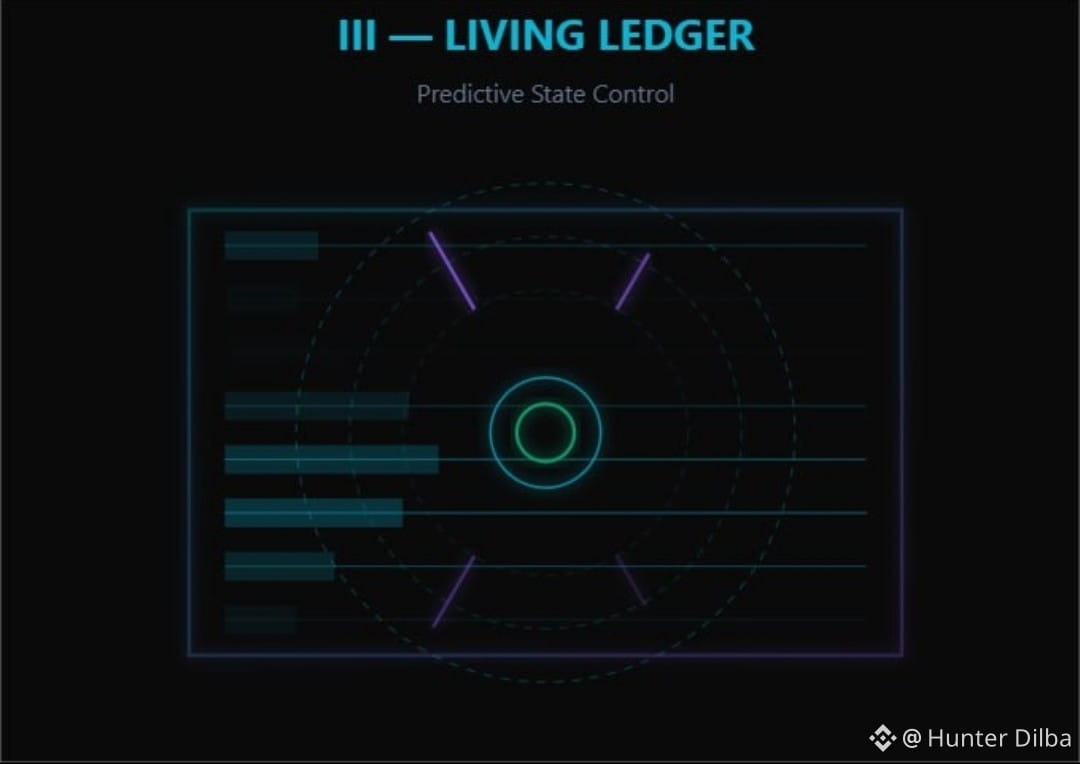
Key Idea
Plasma doesn't bounce back. It governs forward.
The first parapraph means that Plasma has a system that adapts to a highly stressful environment. Those who are able to quickly manage a system that adapts to a highly stressful environment are praise worthy. Those unfit will fail when circumstances change rapidly towards more stressful conditions. Applications built on Plasma are designed to to embrace change rather than work around it. Plasma is a system that develops through change, a place where fragile assumptions are broken and only adaptive logic is left.
Regarding the second paragraph there is an implication that Plasma has built a system that is not designed to lose or fail. Rather it is designed to only gain and hold value over time. With time the usefulness increases as the system is created to work around high-stakes environments. With time the stress placed upon the system in turn increases the value of the resources allocated to it. In environments that are tough to maneuver through, relying on $XPL will in turn place immense value to the token and will increase its value over time.This alignment produces a rare property in blockchain economics: coherence between operational friction and confidence. In most networks, volatility spurs a lack of confidence and weakens the value proposition of the system. In Plasma, volatility sharpens both. Operational friction increases Plasma's value. The value captured creates a compounding effect of more resilient positive feedback loops, where most networks simply decay.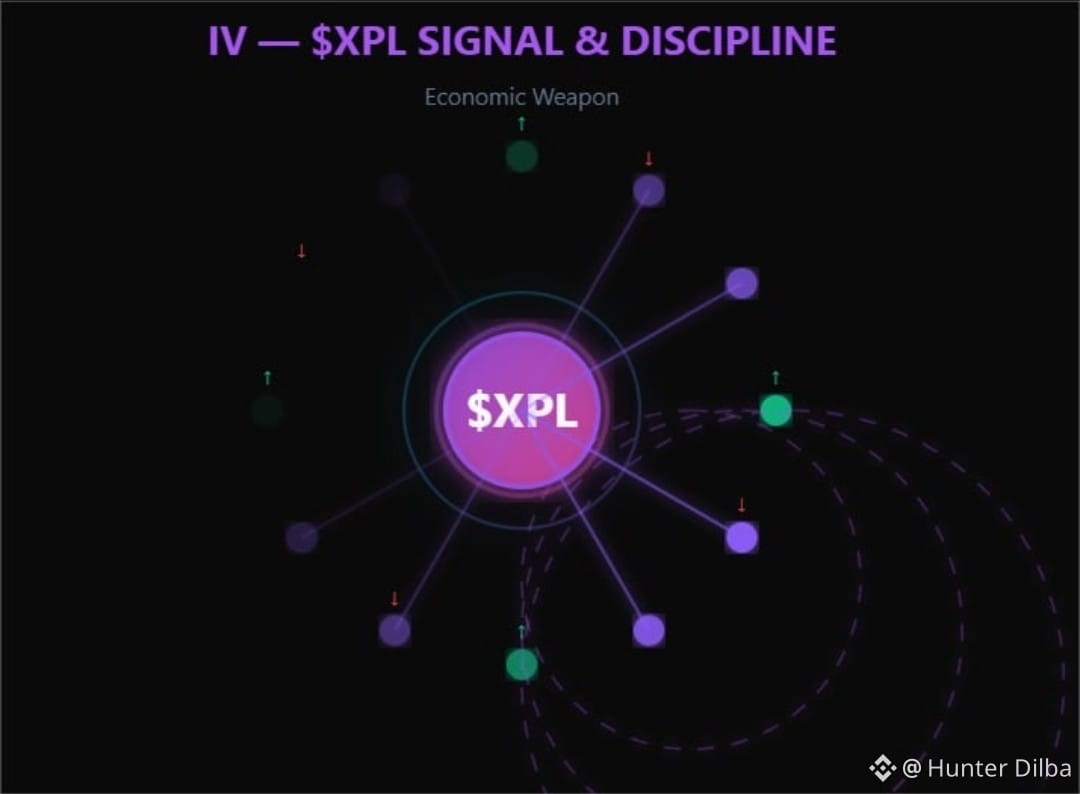
Key Idea Plasma is the economic expression of protocol sovereignty.
Holistically, Plasma represents a counter to the comfort-driven design ethos dominating much of the Layer-1 ecosystem. It does not offer smoothness, predictability, or artificial calm. It offers precision under pressure, continuity through automation, and dominance through adaptation. XPL is inextricably linked to this promise. It’s the economic manifestation of protocol sovereignty—the self-governance of a system, regardless of outside influence.
Plasma does not seek refuge from instability, it seeks authority in it. In a world where the only constant is instability, Plasma does not offer a sanctuary from chaos, it offers the design that is built to control it.