


Most crypto narratives start the same way: price moves first, explanations come later. Plasma is taking the opposite route. Instead of chasing short-term attention, @undefined is focusing on building execution-layer infrastructure that actually scales under real usage. This difference matters more than many realize, especially as the market matures beyond speculation.
When markets are noisy, infrastructure projects often look “slow.” In reality, this is usually the accumulation phase not just in price, but in development, adoption, and positioning.
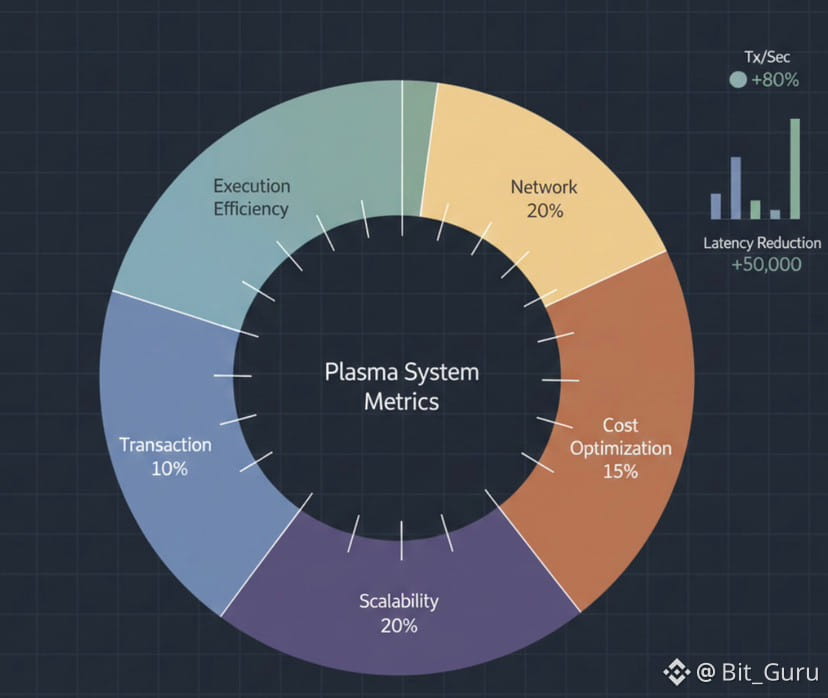
Understanding What Plasma Is Actually Solving
One of the biggest bottlenecks in blockchain systems today is not ideology or decentralization it’s execution efficiency. As on-chain activity grows, networks struggle with latency, cost, and throughput. Plasma’s core objective is to address this problem without sacrificing composability or security.
Instead of relying on fragile shortcuts, Plasma approaches scalability from a system-design perspective. That means optimizing how transactions are processed, finalized, and verified across layers, rather than pushing all activity onto a single congested execution path.
This is where many projects fail: they promise scale, but collapse under sustained load. Plasma is designed with sustained usage in mind, not just peak marketing moments.
Why $XPL Activity Looks Different From Typical “Hype Tokens”
If you look closely at how XPL behaves relative to the broader market, one thing stands out: participation has remained surprisingly consistent during volatility. This is often a sign of organic interest rather than speculative churn.
Speculative assets tend to spike in volume first and stabilize later — if at all. Infrastructure tokens often show the opposite pattern: stable engagement, followed by delayed repricing once utility becomes visible.
This is not a guarantee of future performance, but historically, many long-term winners followed this same behavioral footprint.
Plasma’s Role in a Multi-Chain Future
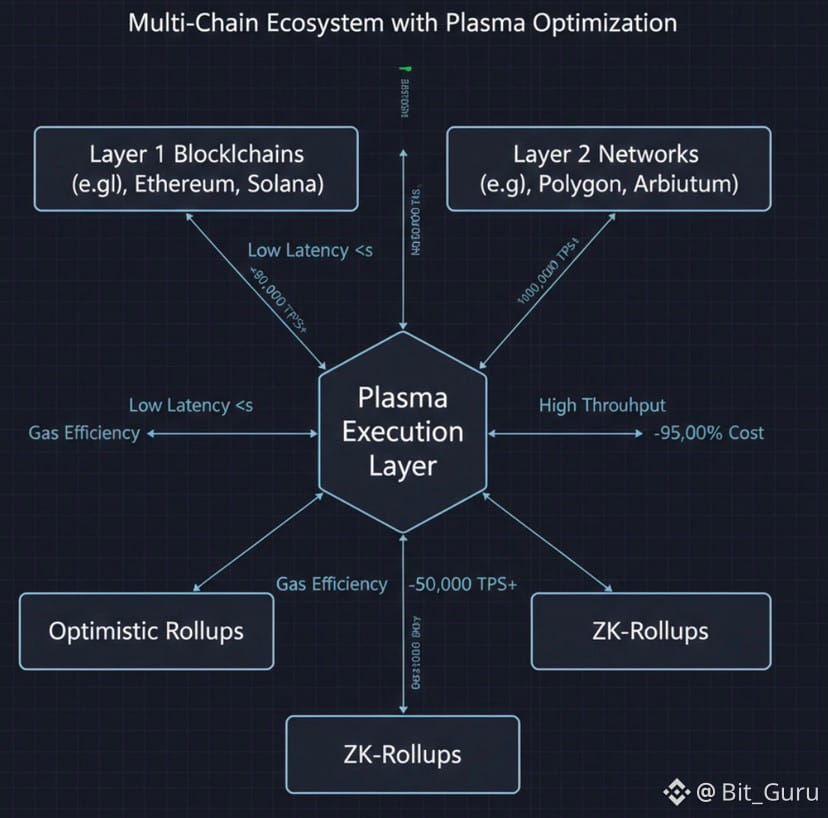
The crypto ecosystem is no longer heading toward a single-chain outcome. Instead, we’re moving into a modular, multi-chain environment where execution, settlement, and data availability are increasingly separated.
Plasma fits naturally into this future. Rather than competing with every chain, it complements them by improving how execution layers behave under stress. This positions Plasma not as a competitor, but as an enabler a much more durable role.
Infrastructure that enables others tends to outlive infrastructure that tries to dominate.
Market Psychology: Why These Phases Are Usually Ignored
There’s a psychological reason why projects like Plasma are overlooked early. They don’t offer instant gratification. There are no exaggerated promises, no artificial scarcity narratives, no countdown timers.
Instead, Plasma offers something less exciting but far more valuable: functionality that still works when things get busy.
This phase before attention, before mainstream narratives is usually where long-term participants quietly position themselves. By the time everyone agrees that infrastructure matters, the repricing has often already started.
What the Future Could Look Like if Adoption Continues
If Plasma continues executing on its roadmap, several outcomes become increasingly plausible:
• More consistent on-chain performance during high-load periods
• Lower execution friction for applications building on top
• Increased relevance as modular blockchain architectures expand
• Gradual recognition of $XPL as utility-backed infrastructure rather than a speculative instrument
None of this requires explosive hype. It requires time, usage, and reliability the three things most marketing-driven projects lack.
Plasma is not trying to be loud. It’s trying to be useful. That distinction is subtle, but critical.
Projects like @Plasma often define the next phase of the market not by leading price charts immediately, but by quietly becoming necessary. Whether or not XPL is fully priced today is less important than whether Plasma is solving a problem that will still exist tomorrow.
And execution problems aren’t going away.