
What if scaling didn’t mean slow networks or sky-high costs? That’s where Plasma steps in - tackling blockchain bottlenecks head-on. Instead of piling on complexity, it shifts work off the main chain quietly. More room means faster processing, fewer delays, lower prices. XPL thrives under these conditions - built to move, not sit idle. Its role as a usable currency leans heavily on speed and access. No grand promises needed; real use comes from reliable structure. Efficiency isn’t just helpful here - it’s required. A network humming at low cost lifts every transaction. Growth follows when friction fades behind the scenes.
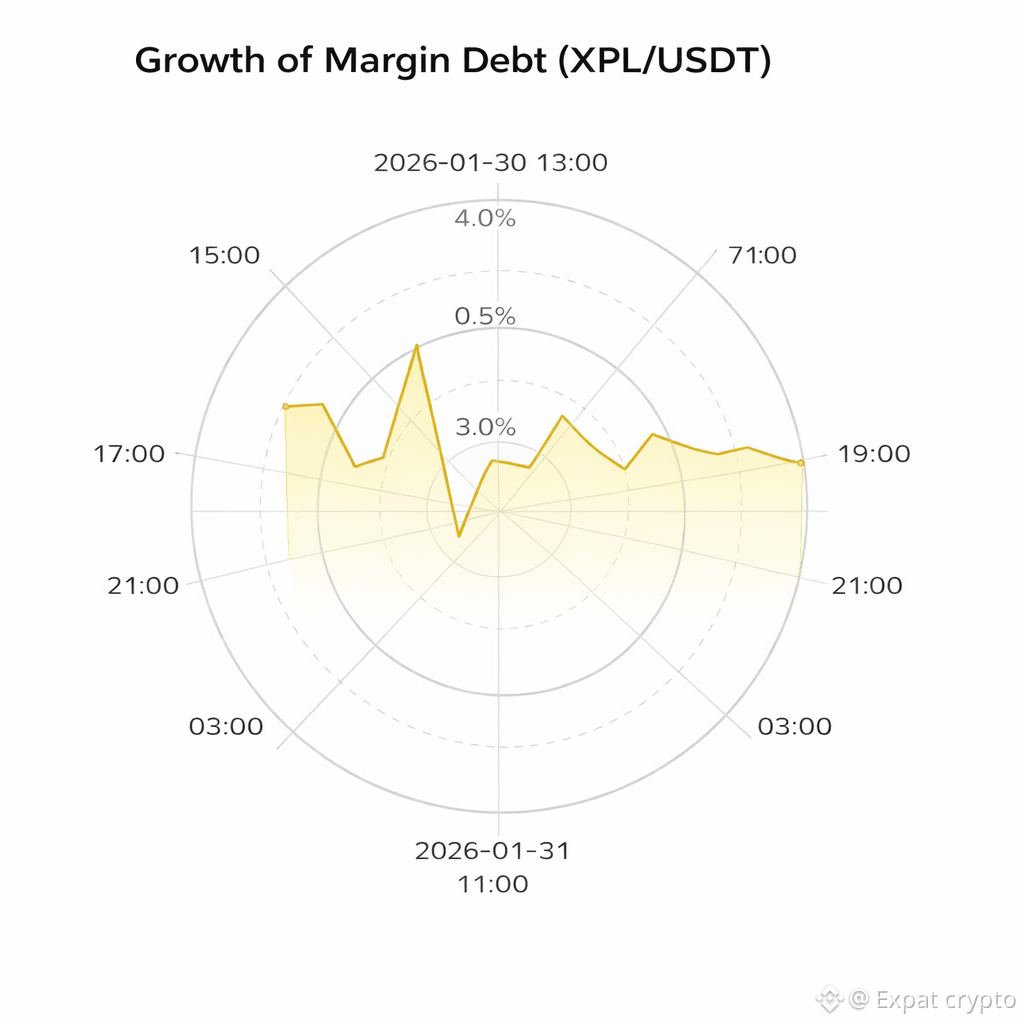
Here is how it works. Offloading work from the primary blockchain happens through separate systems built alongside it. These side structures take care of many operations at once, reducing strain up top. Transactions flow into these linked layers instead of piling onto the central ledger. They operate faster there, handling load in batches. Later they send summaries back home, so everything stays connected. Security remains intact because roots tie each piece together. The core never loses oversight even when busy elsewhere. Trust isn’t sacrificed just because tasks move around. Everything runs lighter without cutting corners. That balance makes it hold steady under demand. When issues pop up, the primary network steps in to settle things, keeping data correct so people are able to check balances or recover money. Think of Plasma as a fast lane running alongside a busy freeway - traffic moves quicker while the central path stays clear.
Every extra user adds pressure - that’s when Plasma steps in for XPL. When volume climbs, blockchains often stall, choked by their own traffic. Instead of piling every transaction onto the main chain, bundles form off to the side, handled quietly beneath the surface. Speed surges because activity spreads across separate lanes, each moving at its own pace. Suddenly, swaps, sends, or clicks inside apps stop waiting, multiplying without dragging down response. Faster performance kicks in when things get busy, so moving tokens feels fluid, jumping into dapps stays responsive, while using XPL across sites keeps pace. Growth finds room to breathe now, since XPL avoids the gridlock that choked older blockchains trying to scale.
High costs quietly block everyday use of blockchain tech. Instead of piling up work on the costly primary network, Plasma moves things sideways to lighter layers. Thanks to these side paths handling data faster, people sending XPL spend much less. Using a Plasma-powered system means paying pennies compared to regular on-chain prices. Tiny payments suddenly become possible when the fee isn’t larger than the amount sent. Everyday things like small tips, game buys, or sending money between friends get easier when fees drop. Thanks to Plasma, XPL stops being just something you hold and starts being something you actually use.
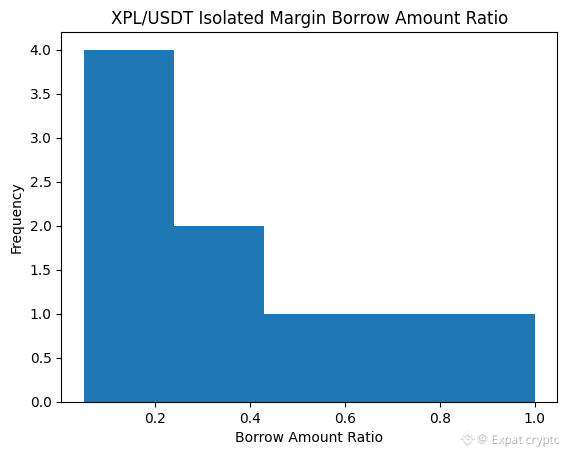
Speedy transactions at low cost form the base of good payment systems. Because Plasma brings quick confirmations with tiny fees, XPL moves easily in live financial settings. Situations such as small digital tips, fast incentives, recurring charges, or built-in app purchases become workable here. With fewer worries about lag or expenses breaking flow, builders plug XPL into platforms freely. So it begins to act less like a number on a chart, more like money people actually spend.
What helps XPL stand out is how Plasma handles growth, spending, because it shifts deals to safer side chains. Speed climbs, costs drop, confirmations happen quicker - yet security stays strong. Because of this mix, using XPL feels smoother day to day while builders find better reasons to work within its space. Growth follows once people want leaner ways to pay through blockchains, simply putting Plasma at the center of what comes next for XPL's path forward.