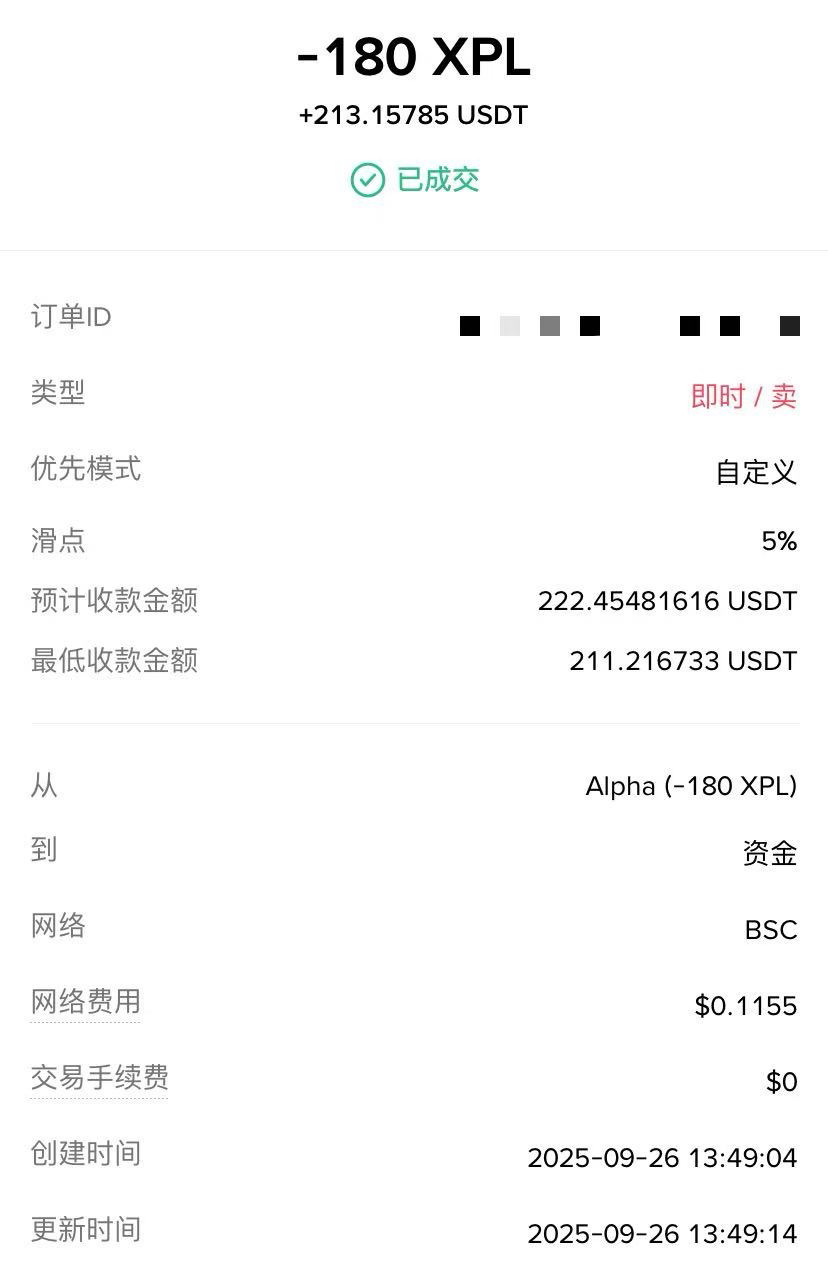
September $XPL airdrop, the big surprise of the year - 180 pieces per person, launched to earn 200U+, the threshold for the second phase has dropped to 70 points for everyone to claim. Unfortunately, the good times did not last long, as XPL dropped steadily after its launch, now priced around 0.12 USD, although my personal prediction is that it will drop to 0.1 USD, the project team is likely to support the price, aiming for 0.2 USD, but the lesson of 'blindly holding will surely lose' is still deeply imprinted in the hearts of participants.
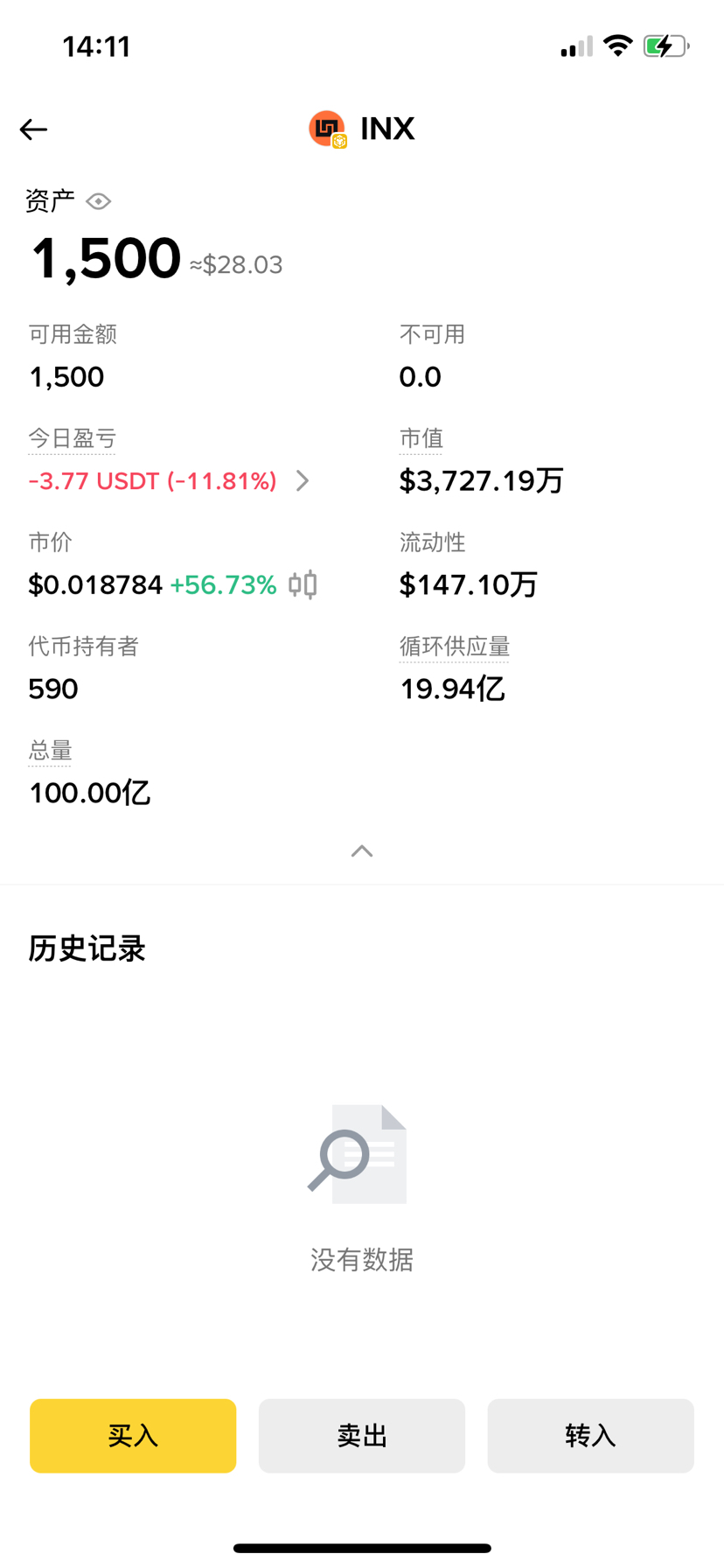
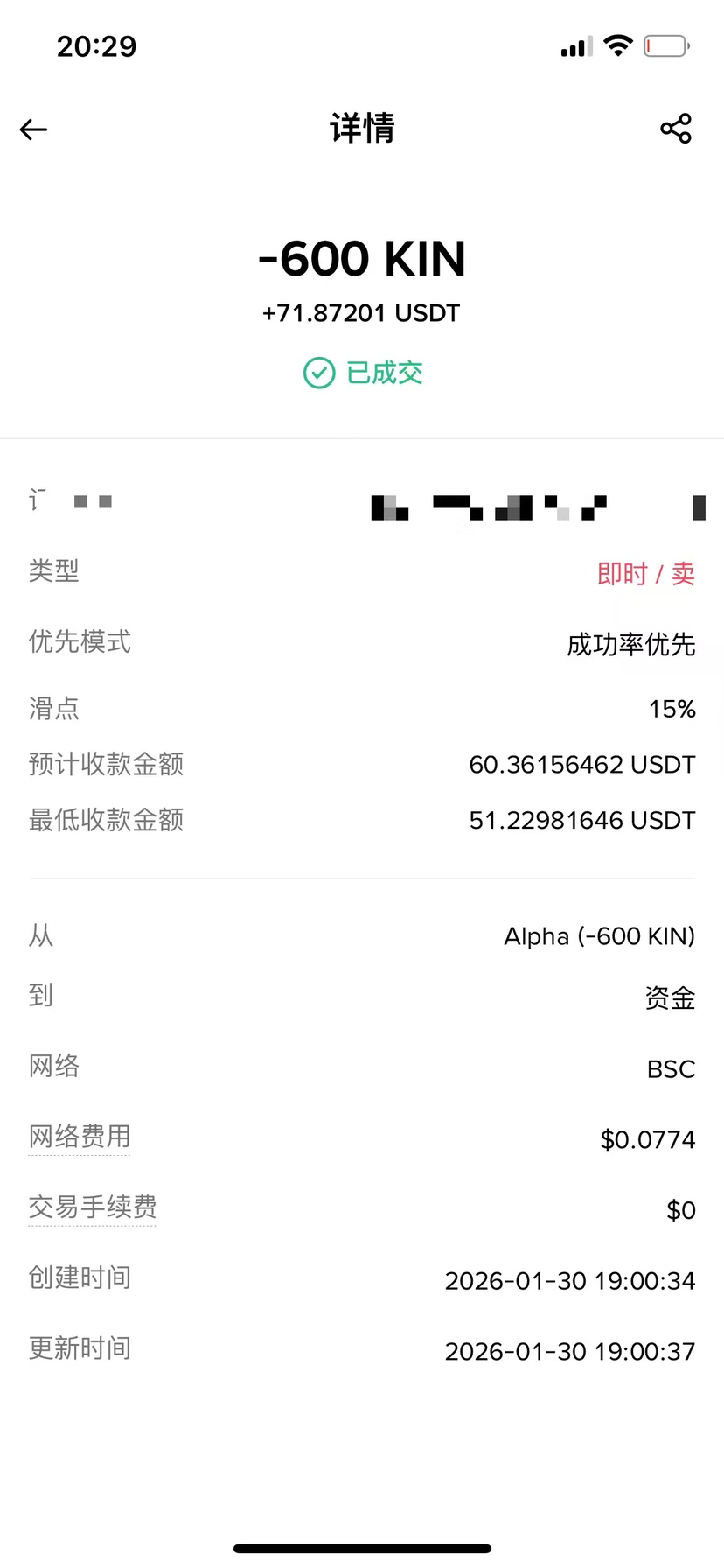
The January 2026 Binance airdrop shows a distinct polarization: after claiming on January 26 $KIN , selling off quickly to cash out 70U, the current market price is only around 10U, securing profits has become a wise choice; however, the airdrops from Space and Sent in mid-January have shown a contrary market reversal, with users who held on seeing their returns double, breaking the inherent rule of 'airdrops must be sold.' What frustrates investors the most is the $INX that was snatched up at 3 AM on January 31, requiring 240 Alpha points + consuming 15 points to obtain with great difficulty, now the coin price is only 0.004 USD, with a 30-day decline of over 33%, firmly locked in hand and difficult to get out. In the current bear market, the threshold for Binance airdrops continues to rise (often in the 230-257 point range in January), but the returns are uneven, and XPL's big 200U airdrop is clearly hard to replicate.
Currently, joining is not a wise move; airdrop competition will peak again in a week.
From the current market situation, choosing to 'join' Binance Alpha at this moment is not a wise decision. Data shows that the platform's daily active users have plummeted from nearly 500,000 in November 2025 to 203,000, a drop of over 60%, primarily due to the soaring point threshold and declining cost-effectiveness of earnings—now ordinary users must complete about $32,700 in trading volume daily to meet the airdrop threshold of over 230 points. Coupled with transaction fees and slippage losses, the cost of accumulating points over 15 days is at least $30, while the average single earnings from the January 18 airdrop rounds are less than $50, leading to potential losses with slight missteps. More importantly, according to platform dynamic rule predictions, multiple heavyweight projects will be launched for airdrop in the coming week (February 1-7), including new tokens with dynamic threshold mechanisms. At that time, originally observing users and automated trading studios will concentrate on entering, and point competition will peak again. Newcomers will not only find it difficult to quickly accumulate sufficient points but may also face significant losses due to unfamiliarity with the rules.
Additionally, adjustments to platform rules have further increased the difficulty for new users to participate. Now, receiving airdrops not only requires consuming 15 points but may also trigger facial recognition and slider verification, and the 24-hour claim time limit has a very low error tolerance, often causing newcomers to miss opportunities due to unskilled operation. Although the stock token trading point activity launched on January 20 can yield an additional 5 points, it only covers the core needs of old users, providing limited assistance for new users' point accumulation. With all these factors combined, the trial and error costs and competitive pressures for new entrants far exceed expected returns, while old users can leverage their existing points and operational experience to gain an advantage in the upcoming competitive peak.
The scarcity of XPL: Why is it difficult for the big airdrop of September to replicate?
The reason why the myth of XPL's airdrop is difficult to replicate lies in the project's inherent strength and the uniqueness of its airdrop mechanism. As a Layer-1 public chain focused on stablecoin payments, XPL has irreplaceable technical advantages: it adopts the PlasmaBFT consensus engine to achieve sub-second transaction confirmations, supports a throughput of over a thousand transactions per second, and realizes USDT zero gas fee transfers through the Paymaster system, allowing users to complete transactions without holding native tokens. This innovation completely resolves the pain points of high fees and complex experiences in traditional public chains. More importantly, it brings BTC into the ecosystem through trust-minimized Bitcoin bridges, regularly anchoring to the Bitcoin blockchain, ensuring institutional-level security while broadening application scenarios. On its first day, it attracted $2 billion in stablecoin inflow, with ecological liquidity exceeding $1 billion, a rare strength in airdrop projects.
From the perspective of the airdrop mechanism, XPL's 'precise inclusive' model is difficult to replicate. Its Binance Alpha airdrop is conducted in two phases: the first phase sets a threshold of 200 points, and the second phase decreases by 15 points per hour to 70 points, which filters core users while lowering the threshold for ordinary participants, ultimately achieving an inclusive effect of '180 tokens per person'; at the same time, the project is backed by over $400 million in investments from top institutions like Peter Thiel's Founders Fund and Tether, deeply integrated with over 100 DeFi protocols. This resource backing gives the airdrop high value expectations, with a rise of over 50% on the first day, peaking at $1.54, and the highest value of airdrop per address exceeding $13,000, with astonishing returns. In contrast, January's airdrop projects either lack core technological innovation or have a weak ecological foundation, making it difficult to replicate XPL's 'technology + capital + ecology' triple advantage, which is also the core reason for the significant shrinkage of its airdrop returns.
The airdrop ecosystem of Binance Alpha has long bid farewell to the era of 'picking up money with closed eyes.' The divergent trends of XPL, KIN, INX, and Space, Sent prove that there are no absolute answers in airdrops; one must be wary of 'losing in the changing situation' and not miss out on long-term potential. The timing of entry is equally critical; the current environment of high thresholds, low returns, and impending competition upgrades is clearly not the best window for newcomers. The case of XPL further illustrates that true airdrop giants often rely on high-quality projects with hardcore strength, making this scarcity increasingly valuable in the current bear market. Do you think XPL can reach $0.2 as expected? Is there still a chance for INX to break even? Is it worth participating in the airdrop peak in the coming week? Let's discuss in the comments!
#XPL #Sent #空头大毛 @Plasma #Plasma