
Most crypto projects still argue about speed, fees, or how many transactions they can process. But if you look at how real financial markets work, the conversation is very different.
Big money doesn’t move in public. Funds don’t show their positions. Companies don’t reveal negotiations in real time. Investors don’t want their holdings exposed to everyone. Privacy in finance isn’t rebellion — it’s normal.
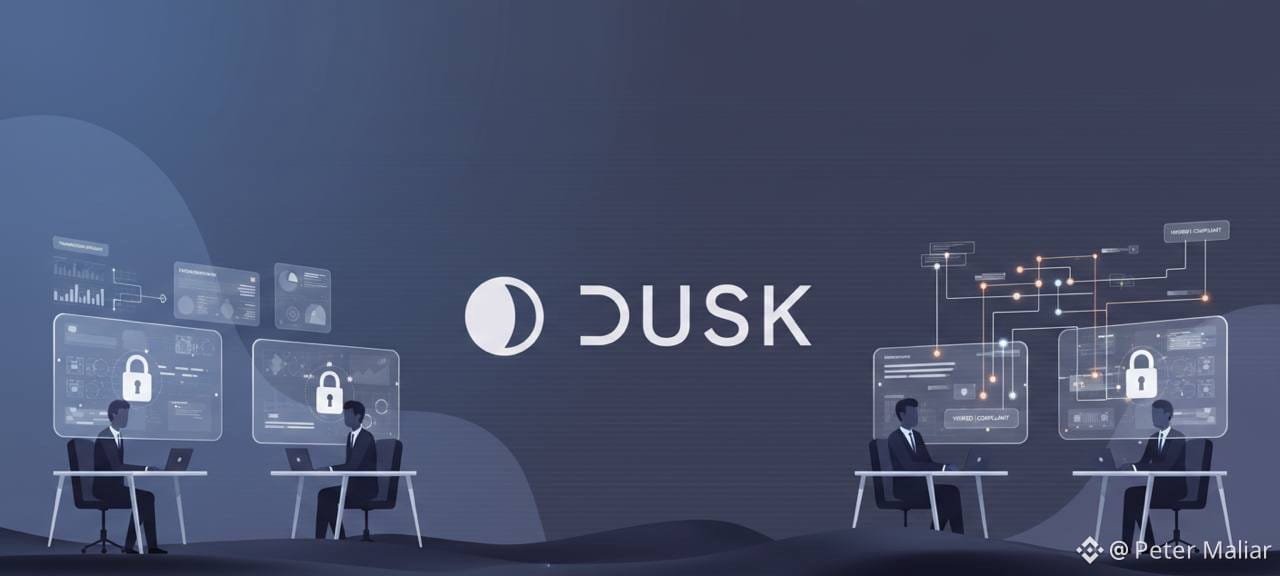
At the same time, finance can’t run without rules. Audits happen. Regulators ask questions. Transactions must be provable when needed. So the real challenge isn’t hiding everything. It’s building systems where activity stays private, but proof is always possible.
That’s where Dusk feels different.
Instead of chasing hype or promising to replace the whole financial world, Dusk focuses on making blockchain usable for regulated markets. The network is built so transactions can stay confidential for participants, while still allowing verification when compliance requires it.
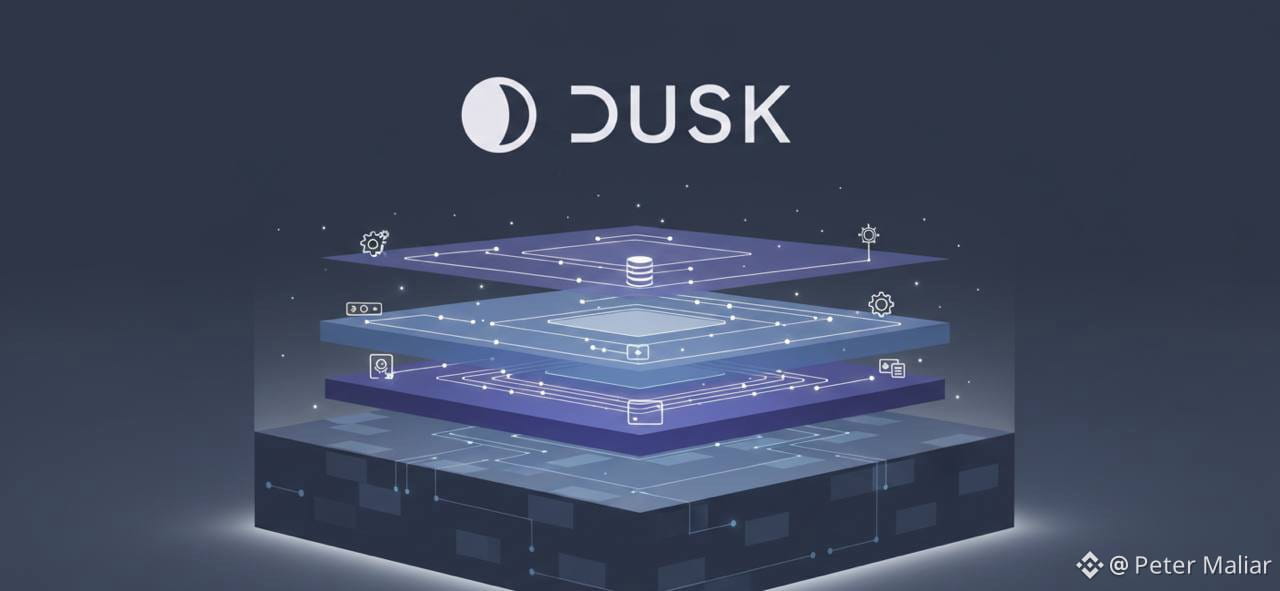
Another thing that stands out is how the network is structured. Dusk separates settlement from applications. The base layer focuses on finality and security, while higher layers handle smart contracts and apps. It’s closer to how real financial infrastructure works strong foundations first, flexibility on top.
The DUSK token fits into that system naturally. It secures the network through staking, pays for activity on the chain, and rewards those who help keep the network running smoothly. It’s less about speculation and more about keeping the infrastructure alive.
What makes this interesting to watch is that Dusk isn’t trying to be loud. It’s building for situations where reliability matters more than attention.
And if blockchain is going to support real financial markets one day, networks that balance privacy with accountability will probably matter more than those chasing noise.